
Batch-off operations are a critical part of the rubber manufacturing process. As a batch-off supplier, I understand the importance of safety in these operations. Ensuring the safety of workers and the integrity of the equipment is not only a moral obligation but also a key factor in maintaining efficient and profitable production. In this blog, I will discuss the essential safety measures that should be taken during batch-off operations.
1. Operator Training
One of the most fundamental safety measures is proper operator training. Operators should be well-versed in the operation of the batch-off equipment, including its controls, functions, and potential hazards. They should be trained on how to start and stop the machine safely, how to adjust settings, and how to perform basic maintenance tasks.
Training should also cover emergency procedures, such as what to do in case of a fire, a machine malfunction, or an injury. Operators should know where the emergency stop buttons are located and how to use them effectively. Regular refresher courses should be provided to keep operators up-to-date with the latest safety procedures and equipment features.
2. Machine Inspection and Maintenance
Regular inspection and maintenance of the batch-off equipment are crucial for safety. Before each use, operators should conduct a visual inspection of the machine to check for any signs of damage, wear, or loose parts. This includes checking the belts, chains, gears, and electrical connections.
Any issues found during the inspection should be reported immediately and repaired before the machine is used. In addition to daily inspections, a more comprehensive maintenance schedule should be established. This may include lubrication of moving parts, replacement of worn-out components, and calibration of sensors and controls.
It is also important to keep the machine clean. Dust, debris, and rubber residues can accumulate on the machine, which can affect its performance and increase the risk of fire. Regular cleaning can help prevent these problems and ensure the safe operation of the equipment.
3. Personal Protective Equipment (PPE)
Personal protective equipment is essential for operators during batch-off operations. Operators should wear appropriate clothing, such as long-sleeved shirts, long pants, and safety shoes, to protect their skin from cuts, burns, and chemical exposure. Gloves should be worn to protect the hands from sharp edges and hot surfaces.
Eye protection, such as safety glasses or goggles, is necessary to prevent eye injuries from flying debris or splashes of chemicals. In some cases, operators may also need to wear respiratory protection, especially if they are working in an environment with high levels of dust or fumes.
4. Hazardous Material Handling
Batch-off operations often involve the use of hazardous materials, such as rubber compounds, chemicals, and solvents. These materials can pose a significant risk to the health and safety of operators if not handled properly.
Operators should be trained on the proper handling, storage, and disposal of hazardous materials. They should know how to read and understand safety data sheets (SDS) for each material, which provide information on its properties, hazards, and safety precautions.
Hazardous materials should be stored in designated areas that are well-ventilated, away from sources of heat and ignition, and protected from spills and leaks. Containers should be labeled clearly with the name of the material, its hazards, and any special handling instructions.
When handling hazardous materials, operators should use appropriate equipment, such as pumps, hoses, and containers, to prevent spills and leaks. In case of a spill, operators should follow the established spill response procedures, which may include containing the spill, cleaning it up, and reporting it to the appropriate authorities.
5. Electrical Safety
Electrical safety is a major concern in batch-off operations, as the equipment is powered by electricity. Operators should be trained on the basic principles of electrical safety, such as how to avoid electrical shock and how to identify electrical hazards.
Before working on or near electrical equipment, operators should ensure that the power is turned off and the equipment is properly locked out and tagged out. This prevents accidental energization of the equipment while it is being serviced.
Electrical cords and cables should be inspected regularly for damage, such as fraying or exposed wires. Any damaged cords or cables should be replaced immediately. In addition, electrical equipment should be grounded properly to prevent electrical shock.
6. Machine Guarding
Machine guarding is an important safety measure to prevent operators from coming into contact with moving parts of the batch-off equipment. Guards should be installed on all moving parts, such as belts, chains, gears, and pulleys, to prevent entanglement and crushing injuries.
Guards should be made of strong, durable materials and should be designed to prevent access to the moving parts. They should also be easy to remove for maintenance and cleaning, but only by authorized personnel.

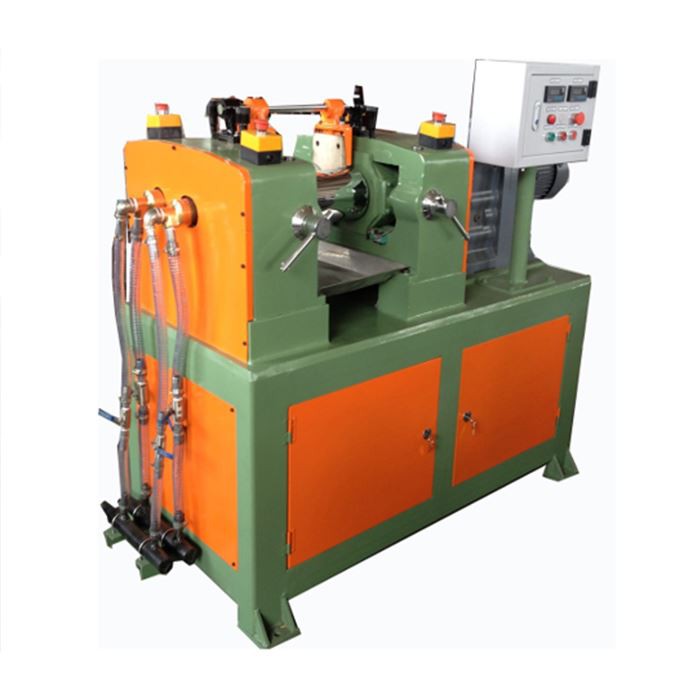
In addition to physical guards, some batch-off equipment may be equipped with safety sensors and interlocks. These devices are designed to stop the machine automatically if a guard is opened or if an operator comes too close to a moving part.
7. Fire Prevention
Fire is a significant risk in batch-off operations, as rubber compounds and solvents are flammable. To prevent fires, it is important to keep the work area clean and free of flammable materials. Rubber scraps and waste should be removed regularly and stored in designated areas away from sources of heat and ignition.
Electrical equipment should be inspected regularly to ensure that it is not overheating or sparking. Smoking should be prohibited in the work area, and all sources of open flames, such as welding torches and heaters, should be used with caution.
Fire extinguishers should be available in the work area and should be inspected regularly to ensure that they are in good working condition. Operators should be trained on how to use fire extinguishers effectively in case of a fire.
8. Ergonomics
Ergonomics is an important aspect of safety in batch-off operations. Operators may be required to perform repetitive tasks, lift heavy objects, and work in awkward positions, which can lead to musculoskeletal disorders.
To prevent these injuries, the work area should be designed to be ergonomic. This may include adjusting the height of workstations, providing comfortable seating, and using tools and equipment that are easy to handle. Operators should also be encouraged to take regular breaks and stretch to reduce fatigue and prevent injuries.
9. Use of Related Equipment
In the rubber manufacturing process, batch-off operations are often associated with other equipment such as Lab Open Mill, Rubber Extruder Sheet Preforming Machine, and Rubber Banbury Mixer. When using these related equipment, similar safety measures should be taken.
For example, the Lab Open Mill should be inspected for proper alignment and smooth rotation of the rolls. The Rubber Extruder Sheet Preforming Machine should have proper guarding around the extruder barrel and die to prevent burns and entanglement. The Rubber Banbury Mixer should be maintained to ensure proper sealing and prevent the release of dust and fumes.
Conclusion
Safety is of utmost importance during batch-off operations. By implementing the safety measures discussed in this blog, operators can reduce the risk of accidents and injuries, protect the equipment, and ensure the efficient and profitable operation of the rubber manufacturing process.
As a batch-off supplier, I am committed to providing high-quality equipment and support to help our customers maintain a safe working environment. If you are interested in learning more about our batch-off products or need assistance with safety measures in your operations, please feel free to contact us for procurement and further discussions.
References
- OSHA (Occupational Safety and Health Administration) guidelines on industrial machinery safety.
- Rubber Manufacturers Association safety standards for rubber manufacturing processes.