
Hey there! As a supplier of Banbury mixers, I often get asked about the shear force in these machines. So, I thought I'd take a few minutes to break it down for you.
First off, let's talk about what a Banbury mixer is. A Banbury mixer is a type of internal mixer used primarily in the rubber and plastics industries. It's designed to mix and compound raw materials, like rubber and various additives, to create a homogenous mixture. You can learn more about our Banbury Mixer on our website.
Now, onto the shear force. Shear force in a Banbury mixer is super important. It's what helps break down the raw materials and disperse the additives evenly throughout the rubber or plastic compound. When you think about it, raw rubber is pretty tough and gummy. And the additives, like fillers, pigments, and curing agents, need to be thoroughly mixed in to get the right properties in the final product.
So, how does the shear force work? Well, inside a Banbury mixer, there are two rotors that rotate in opposite directions. These rotors have specially designed blades or wings. As the rotors turn, they create a squeezing and tearing action on the materials. The raw materials are caught between the rotors and the walls of the mixing chamber. This squeezing and tearing is what generates the shear force.
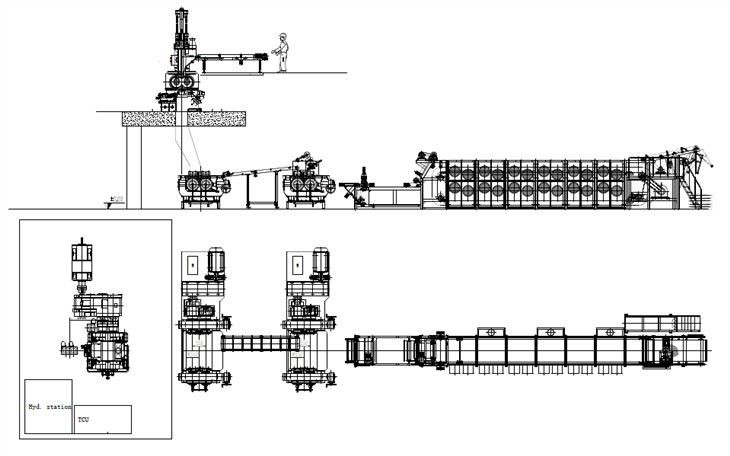

Imagine trying to mix a thick, sticky paste with your hands. It's not easy, right? You need to apply a lot of force to break it up and blend in other ingredients. The shear force in a Banbury mixer does the same thing but on a much larger and more efficient scale.
The amount of shear force can be adjusted. This is crucial because different materials require different levels of shear. For example, if you're working with a very soft rubber compound, too much shear force could overheat the material and damage its properties. On the other hand, if you're dealing with a tough, high - viscosity rubber, you'll need a higher shear force to break it down and mix in the additives properly.
We can control the shear force in several ways. One way is by adjusting the speed of the rotors. Faster rotor speeds generally mean higher shear force. We can also change the shape and design of the rotors. Some rotors are designed to create more intense shear, while others are better for more gentle mixing.
Another factor that affects shear force is the temperature inside the mixing chamber. Higher temperatures can reduce the viscosity of the materials, which in turn affects how they respond to the shear force. So, we often need to carefully control the temperature during the mixing process.
Shear force isn't just about breaking down the materials. It also plays a big role in improving the dispersion of additives. When the additives are well - dispersed, the final product has more consistent properties. For example, in a rubber product, a good dispersion of curing agents ensures that the rubber cures evenly, which means better strength and durability.
Now, let's talk about the benefits of having the right shear force in a Banbury mixer. First of all, it improves the quality of the final product. As I mentioned earlier, proper shear force leads to better dispersion of additives, which results in a more homogenous compound. This means that the rubber or plastic products made from the compound will have more consistent physical and chemical properties.
Secondly, it increases the efficiency of the mixing process. With the right shear force, the mixing time can be reduced. This means you can produce more batches in less time, which is great for your bottom line.
In addition to the Banbury mixer itself, we also offer Rubber Mixing Line solutions. These lines are designed to work seamlessly with our Banbury mixers, providing a complete solution for your rubber mixing needs. And if you're looking for a smaller - scale option for testing or research, we have Lab Open Mill available as well.
If you're in the market for a Banbury mixer or related equipment, we're here to help. We have a team of experts who can assist you in choosing the right machine for your specific requirements. Whether you need a high - shear mixer for tough materials or a more gentle one for soft compounds, we've got you covered.
Contact us to start a conversation about your needs. We can provide you with detailed information, specifications, and even arrange a demonstration if you'd like. Let's work together to find the perfect solution for your rubber or plastic mixing processes.
References
- "Rubber Technology Handbook" by Werner Hofmann
- "Plastics Mixing and Compounding" by John Vlachopoulos