
Power consumption is a crucial factor to consider when operating industrial equipment, and rubber mixers are no exception. As a supplier of rubber mixers, understanding the power consumption of these machines is essential for both our customers and our business. In this blog post, we will explore the power consumption of rubber mixers, including the factors that influence it, how to calculate it, and ways to optimize it.
Factors Affecting the Power Consumption of Rubber Mixers
The power consumption of a rubber mixer is influenced by several factors, including the type of mixer, its size, the operating conditions, and the properties of the rubber being mixed.
Type of Mixer
There are different types of rubber mixers available in the market, such as Rubber Open Mill, Two Roll Rubber Mill, and Rubber Extruder Sheet Preforming Machine. Each type has its own power requirements. For example, an internal mixer generally consumes more power than an open mill because it uses a more complex mixing mechanism with high - torque rotors to knead the rubber.
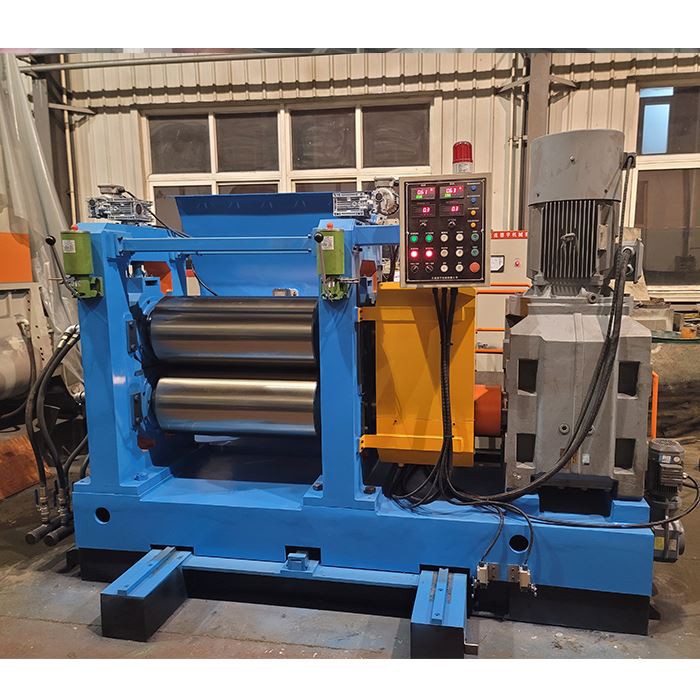

Size of the Mixer
The size of the rubber mixer, typically measured by its capacity (e.g., the volume of rubber it can process at one time), has a direct impact on power consumption. Larger mixers require more power to drive their components, such as motors, rotors, or rolls. A small - scale rubber mixer used in a laboratory setting may have relatively low power consumption, while a large - scale industrial mixer designed for high - volume production will consume significantly more electricity.
Operating Conditions
The operating conditions of the rubber mixer also play a role in power consumption. Factors such as the mixing speed, mixing time, and the temperature of the rubber can all affect how much power the machine uses. Higher mixing speeds usually require more power as the motors need to work harder to rotate the components at a faster rate. Longer mixing times also result in increased power consumption. Additionally, if the rubber is at a lower temperature, it may be more viscous, which can make it more difficult to mix and thus increase the power demand.
Properties of the Rubber
The properties of the rubber being mixed, such as its viscosity, hardness, and filler content, can influence power consumption. High - viscosity rubbers require more energy to be deformed and mixed compared to low - viscosity ones. Similarly, rubbers with a high filler content, such as carbon black or silica, are more difficult to mix because the fillers increase the resistance within the rubber compound. This increased resistance means that the mixer has to work harder, leading to higher power consumption.
Calculating the Power Consumption of Rubber Mixers
To calculate the power consumption of a rubber mixer, we need to consider the power rating of the motor and the operating time.
The power rating of the motor is usually given in kilowatts (kW). This value represents the maximum power that the motor can deliver under normal operating conditions. The power consumption (in kilowatt - hours, kWh) can be calculated using the following formula:
Power Consumption (kWh)=Power Rating (kW)×Operating Time (h)
For example, if a rubber mixer has a motor with a power rating of 50 kW and it operates for 8 hours a day, the daily power consumption would be:
50 kW×8 h = 400 kWh
However, in real - world scenarios, the actual power consumption may vary from the calculated value due to factors such as motor inefficiencies, variations in the load, and the starting and stopping of the machine.
Optimizing the Power Consumption of Rubber Mixers
As a rubber mixer supplier, we are committed to helping our customers reduce their energy costs while maintaining the quality of their rubber mixing processes. Here are some ways to optimize the power consumption of rubber mixers:
Select the Right Mixer
Choosing the appropriate type and size of rubber mixer for the specific application is crucial. Avoid over - sizing the mixer, as a larger machine than necessary will consume more power without adding significant value. If the production volume is relatively low, a smaller - capacity mixer may be sufficient.
Optimize Operating Parameters
Adjusting the operating parameters can lead to significant power savings. For example, reducing the mixing speed to the minimum level required to achieve the desired mixing quality can lower power consumption. Also, optimizing the mixing time by using techniques such as pre - mixing or using additives to speed up the mixing process can reduce the overall energy usage.
Regular Maintenance
Regular maintenance of the rubber mixer is essential to ensure its efficient operation. Worn - out components, such as bearings, belts, or rotors, can increase the friction within the machine, which in turn increases power consumption. By regularly inspecting and replacing these parts, we can keep the mixer running smoothly and reduce energy waste.
Use Energy - Efficient Motors
Investing in energy - efficient motors can significantly reduce power consumption. Modern motors are designed to have higher efficiency ratings, which means they convert a larger proportion of the electrical energy into mechanical energy. These motors may have a higher upfront cost, but the long - term savings in energy costs can justify the investment.
Importance of Understanding Power Consumption for Customers
For our customers, understanding the power consumption of rubber mixers is important for several reasons. Firstly, it helps them to accurately estimate their production costs. Energy costs can be a significant part of the overall production expenses, especially in industries with high - volume production. By having a clear understanding of the power consumption of their rubber mixers, customers can better manage their budgets and make informed decisions about their production processes.
Secondly, reducing power consumption is in line with the growing trend of environmental sustainability. Many companies are now looking for ways to reduce their carbon footprint and operate in a more environmentally friendly manner. By optimizing the power consumption of their rubber mixers, our customers can contribute to this goal while also saving money on energy bills.
Conclusion
In conclusion, the power consumption of a rubber mixer is influenced by multiple factors, including the type and size of the mixer, operating conditions, and the properties of the rubber. As a rubber mixer supplier, we understand the importance of helping our customers manage and reduce their power consumption. By providing accurate information about power requirements, offering energy - efficient mixer models, and suggesting optimization strategies, we can assist our customers in achieving cost - effective and sustainable rubber mixing operations.
If you are interested in learning more about our rubber mixers and how to optimize their power consumption for your specific needs, we invite you to contact us for a detailed discussion. Our team of experts is ready to provide you with professional advice and solutions tailored to your business requirements. Let's work together to achieve efficient and profitable rubber mixing processes.
References
- “Handbook of Rubber Technology” by A. Y. Coran.
- Industry reports on rubber mixing equipment and energy efficiency.