
Hey there! As a supplier of 2 roll mills, I often get asked about the cooling system of these machines. So, I thought I'd take a moment to break it down for you.
First off, let's talk about why a cooling system is so important in a 2 roll mill. When you're using a 2 roll mill, the friction between the rolls generates a ton of heat. If this heat isn't managed properly, it can have some pretty negative effects on the rubber or other materials you're processing. For one, excessive heat can cause the material to degrade, which means it won't have the same quality and performance characteristics as it should. It can also lead to issues like sticking to the rolls, which can slow down production and even damage the machine.
So, what exactly is the cooling system of a 2 roll mill? Well, it's basically a setup that helps to remove the heat generated during the milling process. There are a few different types of cooling systems that can be used, but the most common ones involve using water or a coolant.
Water Cooling Systems
Water cooling is one of the most popular methods for cooling 2 roll mills. In a water cooling system, water is circulated through channels or jackets that are built into the rolls. As the water flows through these channels, it absorbs the heat from the rolls and carries it away. This helps to keep the temperature of the rolls at a safe and consistent level.
There are a couple of different ways to set up a water cooling system. One option is to use a closed-loop system, where the water is recirculated through the rolls and then cooled using a heat exchanger. This is a great option because it's very efficient and it helps to conserve water. Another option is to use an open-loop system, where the water is simply drawn from a water source (like a well or a municipal water supply) and then discharged after it's been used to cool the rolls. This is a simpler and less expensive option, but it can be less efficient and it can also lead to water waste.
Coolant Cooling Systems
Coolant cooling systems work in a similar way to water cooling systems, but instead of using water, they use a special coolant. Coolants are designed to have better heat transfer properties than water, which means they can absorb and carry away heat more effectively. This can be especially useful in applications where the 2 roll mill is being used to process materials that generate a lot of heat.

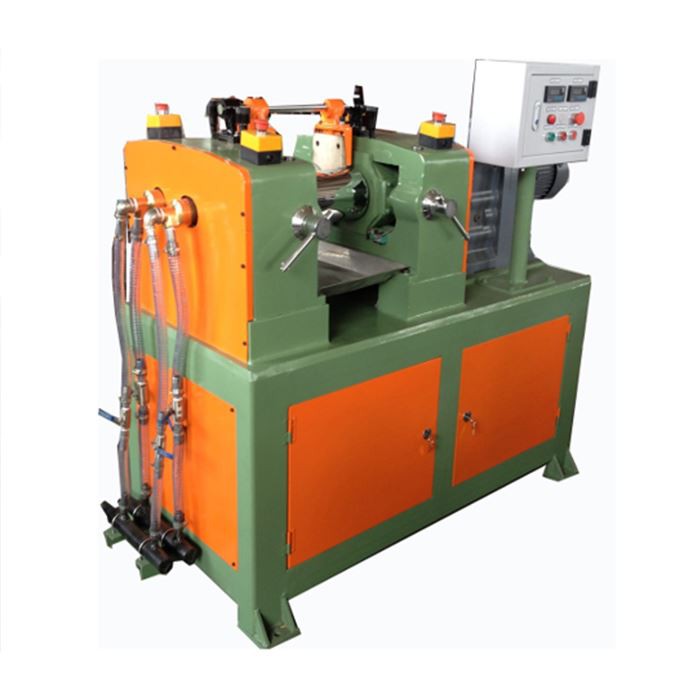
There are a few different types of coolants that can be used in a 2 roll mill cooling system. Some common options include glycol-based coolants, which are known for their good heat transfer properties and their ability to prevent freezing in cold temperatures. Another option is to use a synthetic coolant, which is designed to be more environmentally friendly and to have better corrosion resistance than traditional coolants.
Other Components of the Cooling System
In addition to the cooling medium (water or coolant), there are a few other components that are typically part of a 2 roll mill cooling system. These include:
- Pumps: Pumps are used to circulate the cooling medium through the rolls. They need to be sized appropriately to ensure that the cooling medium is flowing at the right rate to effectively remove the heat.
- Valves: Valves are used to control the flow of the cooling medium through the system. They can be used to adjust the flow rate, shut off the flow if necessary, and direct the cooling medium to different parts of the system.
- Temperature Sensors: Temperature sensors are used to monitor the temperature of the rolls and the cooling medium. This information is used to control the operation of the cooling system and to ensure that the temperature stays within a safe range.
Maintaining the Cooling System
Proper maintenance of the cooling system is essential to ensure that it continues to work effectively. This includes regular cleaning of the cooling channels or jackets to prevent the buildup of dirt, debris, and scale. It also involves checking the coolant level and quality regularly and replacing the coolant as needed. Additionally, it's important to inspect the pumps, valves, and temperature sensors regularly to make sure they're working properly.
Benefits of a Good Cooling System
Investing in a high-quality cooling system for your 2 roll mill can offer a number of benefits. These include:
- Improved Product Quality: By keeping the temperature of the rolls at a consistent level, a good cooling system can help to prevent material degradation and ensure that your products have the same quality and performance characteristics every time.
- Increased Productivity: When the rolls are kept cool, the material is less likely to stick to them, which means you can run the mill at a higher speed and produce more products in less time.
- Longer Machine Life: Excessive heat can cause damage to the rolls and other components of the mill over time. By keeping the temperature under control, a good cooling system can help to extend the life of your machine and reduce the need for costly repairs and replacements.
Related Products
If you're in the market for a 2 roll mill or other rubber mixing equipment, we also offer a range of related products. Check out our Banbury Machine Rubber Mixer, which is a great option for large-scale rubber mixing operations. We also have a Rubber Mixing Line that can be customized to meet your specific needs. And if you're looking for a smaller, more compact option for laboratory use, our Lab Open Mill is a great choice.
Contact Us for Procurement
If you're interested in learning more about our 2 roll mills or their cooling systems, or if you're ready to start a procurement discussion, don't hesitate to reach out. We're here to answer any questions you might have and to help you find the right solution for your business.
References
- "Rubber Processing Technology" by James L. White and K. Takayuki.
- "Handbook of Rubber Technology" edited by A. Y. Coran.