
Hey there! As a supplier of Motorcycle Bicycle Tyre Curing Press, I'm super stoked to share with you the main components of these awesome machines.
Let's start with the frame. The frame is like the backbone of the tyre curing press. It provides the structural support for all the other components. It's usually made of high - strength steel to withstand the high pressures and forces during the curing process. A well - built frame ensures the stability and durability of the entire press. Without a solid frame, the press wouldn't be able to handle the intense conditions of tyre curing. You can check out more about our presses, including the robust frames we use, on our Tyre Curing Press page.
Next up is the hydraulic system. This is the muscle of the curing press. The hydraulic system is responsible for generating the force needed to close the mould and apply the required pressure on the tyre during curing. It consists of a hydraulic pump, cylinders, valves, and a reservoir. The pump sucks in hydraulic fluid from the reservoir and pumps it into the cylinders. The cylinders then convert the fluid pressure into mechanical force, which moves the platens of the press. The valves control the flow and direction of the hydraulic fluid. A high - quality hydraulic system ensures smooth and precise operation of the press. For example, our Solid Tyre Moulding Press uses a state - of - the - art hydraulic system that provides consistent pressure, resulting in high - quality tyre curing.
The heating system is another crucial component. Tyre curing requires a specific temperature to be maintained for a certain period of time. The heating system is used to achieve and control this temperature. There are different types of heating systems, such as electric heating and steam heating. Electric heating is more precise and easier to control, while steam heating is often more cost - effective for large - scale operations. The heating elements are usually installed in the platens of the press. They heat up the platens, which in turn transfer the heat to the tyre in the mould. Maintaining the right temperature is essential for proper vulcanization of the tyre rubber, which determines the tyre's quality, strength, and durability.
The mould is where the magic happens. It's the component that gives the tyre its shape. The mould is custom - designed according to the specifications of the tyre, including its size, tread pattern, and sidewall design. It's made of high - grade steel or alloy to withstand the high temperatures and pressures during curing. The mould is divided into two or more parts that can be opened and closed. When the press is closed, the tyre blank is placed inside the mould, and the heat and pressure cause the rubber to flow and take the shape of the mould. After curing, the mould is opened, and the finished tyre is removed. Our Motorcycle Tyre Curing Press offers a wide range of mould options to meet the diverse needs of our customers.
The control system is the brain of the curing press. It allows operators to set and monitor various parameters such as temperature, pressure, and curing time. Modern control systems are often computer - based, which provide more accurate and flexible control. They can also store data about the curing process for quality control and analysis. The control panel is usually located at a convenient position on the press, allowing operators to easily access and adjust the settings. With a user - friendly control system, even inexperienced operators can operate the press efficiently and ensure consistent tyre quality.
Another important part is the safety system. Safety is always a top priority in any industrial equipment. The safety system of a tyre curing press includes features such as safety guards, emergency stop buttons, and pressure relief valves. The safety guards prevent operators from accidentally coming into contact with moving parts or hot surfaces. The emergency stop buttons allow operators to quickly stop the press in case of an emergency. The pressure relief valves are designed to release excess pressure in the hydraulic system to prevent damage to the press and ensure the safety of the operators.
The cooling system is also necessary. After the curing process, the tyre needs to be cooled down gradually to set its shape and properties. The cooling system can use water or air to cool the platens and the tyre. Water cooling is usually more efficient, as water has a higher heat capacity than air. The cooling system helps to reduce the cycle time of the curing process and ensures the quality of the finished tyre.
Now, let's talk about the importance of these components working together. Each component plays a vital role in the tyre curing process, and they need to work in harmony to produce high - quality tyres. For example, the hydraulic system needs to provide the right pressure at the right time, while the heating system needs to maintain the correct temperature. The control system coordinates all these functions to ensure a smooth and efficient curing process.
If you're in the market for a Motorcycle Bicycle Tyre Curing Press, you want to make sure you choose a press with high - quality components. At our company, we take pride in providing presses that are built with the best components and the latest technology. Our presses are reliable, efficient, and offer excellent value for money.

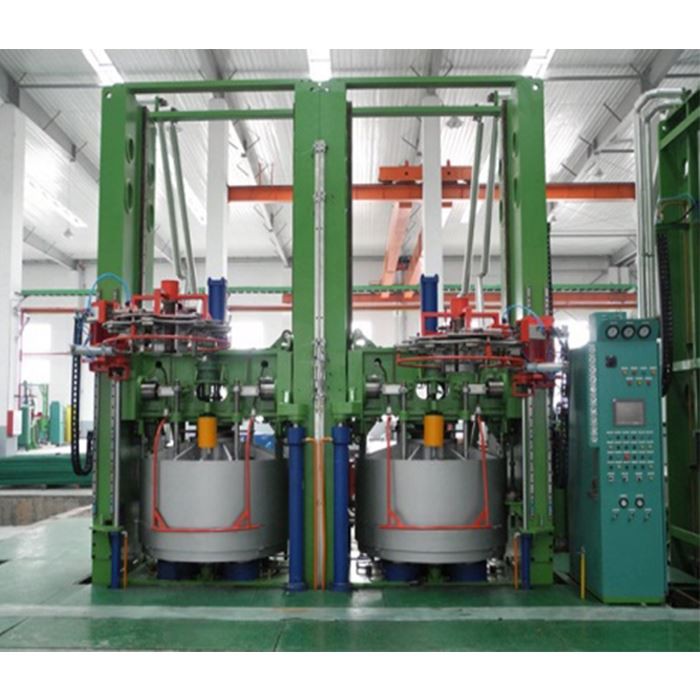
Whether you're a small - scale tyre manufacturer or a large - scale industrial operation, we have the right press to meet your needs. We can also customize the press according to your specific requirements.
If you're interested in learning more about our Motorcycle Bicycle Tyre Curing Press or have any questions about the components or the curing process, don't hesitate to get in touch with us. We're always here to help you make the best decision for your business.
References:
- Industry knowledge and experience in manufacturing Motorcycle Bicycle Tyre Curing Presses.
- Technical documentation of the components used in the presses.