

Shear force in a kneader mixer is a pretty crucial concept, especially if you're in the business of mixing materials like rubber, plastics, or even some food products. As a kneader mixer supplier, I've seen firsthand how understanding shear force can make or break a mixing process. So, let's dive into what shear force is and why it's so important.
What is Shear Force in a Kneader Mixer?
Shear force, in simple terms, is the force that causes one layer of a material to slide over an adjacent layer. In a kneader mixer, this happens when the blades or rotors of the mixer move through the material. Think of it like when you're kneading dough with your hands. As you push and pull the dough, different parts of it slide past each other. That's shear force at work.
In a kneader mixer, the blades or rotors rotate at different speeds or in opposite directions. This creates a differential in velocity between the layers of the material being mixed. The faster-moving layer tries to drag the slower-moving layer along with it, and this results in shear stress. The magnitude of the shear force depends on a few factors, such as the speed of the rotors, the design of the blades, and the viscosity of the material.
For example, if you're mixing a high-viscosity material like thick rubber compound, you'll need a higher shear force to break down the agglomerates and disperse the additives evenly. On the other hand, a low-viscosity material like a thin liquid might require less shear force.
Why is Shear Force Important?
1. Homogeneous Mixing
One of the primary reasons shear force is important in a kneader mixer is to achieve a homogeneous mixture. When you're mixing different components together, like polymers and fillers, you want them to be evenly distributed throughout the material. Shear force helps to break down the individual particles and disperse them uniformly.
Let's say you're making a rubber product. You need to mix in various additives like carbon black, sulfur, and accelerators. Without sufficient shear force, these additives might clump together, leading to an uneven distribution in the final product. This can result in inconsistent properties, such as variations in hardness, strength, and elasticity.
2. Particle Size Reduction
Shear force can also be used to reduce the particle size of the materials being mixed. In some cases, the raw materials might come in large agglomerates or chunks. The shear force generated by the kneader mixer can break these agglomerates into smaller particles.
For instance, in the rubber industry, carbon black is often used as a reinforcing filler. It typically comes in the form of large aggregates. The shear force in the kneader mixer breaks these aggregates into smaller particles, increasing the surface area available for interaction with the rubber matrix. This improves the mechanical properties of the rubber, such as its tensile strength and abrasion resistance.
3. Chemical Reactions
In some mixing processes, chemical reactions need to take place between the different components. Shear force can enhance these reactions by increasing the contact between the reactants.
For example, when vulcanizing rubber, sulfur and accelerators need to react with the rubber molecules to form cross-links. The shear force in the kneader mixer helps to disperse the sulfur and accelerators evenly throughout the rubber, increasing the likelihood of successful chemical reactions. This results in a more efficient vulcanization process and better overall properties of the rubber product.
4. Rheological Modification
Shear force can also modify the rheological properties of the material being mixed. Rheology is the study of how materials flow and deform under the influence of external forces. By applying shear force, you can change the viscosity, elasticity, and other flow properties of the material.
In the plastics industry, for example, shear force can be used to reduce the viscosity of a polymer melt. This makes it easier to process the plastic, such as during injection molding or extrusion. By adjusting the shear force in the kneader mixer, you can optimize the rheological properties of the plastic for the specific manufacturing process.
How to Control Shear Force in a Kneader Mixer
As a kneader mixer supplier, I know that controlling shear force is essential for achieving the desired mixing results. Here are some ways to control shear force in a kneader mixer:
1. Rotor Speed
The speed of the rotors is one of the most straightforward ways to control shear force. Increasing the rotor speed generally increases the shear force, while decreasing the speed reduces it. However, you need to be careful not to set the speed too high, as this can generate excessive heat and damage the material.
2. Rotor Design
The design of the rotors also plays a significant role in determining the shear force. Different rotor designs, such as sigma blades, Z blades, and intermeshing rotors, can generate different levels of shear force. Sigma blades, for example, are known for their high shear mixing capabilities, while Z blades are more suitable for gentle mixing.
3. Mixing Time
The length of the mixing time can also affect the shear force. Longer mixing times generally result in more shear being applied to the material. However, you need to find the right balance, as over-mixing can lead to degradation of the material.
4. Temperature
Temperature can also influence the shear force. In general, increasing the temperature reduces the viscosity of the material, which in turn reduces the shear force required for mixing. However, you need to be careful not to overheat the material, as this can cause chemical reactions or other unwanted changes.
Related Products and Their Role in Shear Force
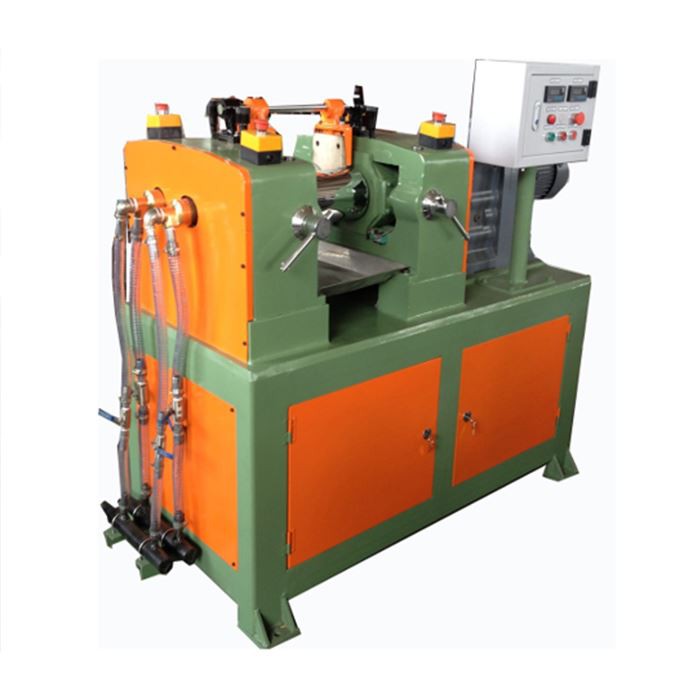
As a kneader mixer supplier, we also offer other related products that are important in the mixing process. For example, Lab Open Mill is a useful tool for pre-mixing and testing the shear force requirements of different materials. It consists of two rotating cylinders that can apply shear force to the material as it passes between them.
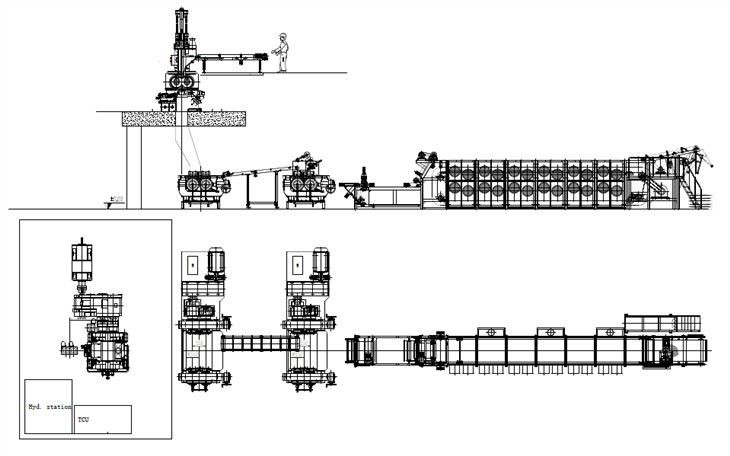
Rubber Mixing Line is a more comprehensive solution that includes a kneader mixer, along with other equipment such as extruders and calenders. This allows for a continuous and efficient mixing process, with the ability to control the shear force at different stages.
Twin Screw Rubber Extruder is another important machine that can apply high shear force to the rubber material. The two intermeshing screws in the extruder rotate at different speeds, creating a high shear environment that helps to mix and homogenize the rubber.
Conclusion
In conclusion, shear force is a critical factor in the operation of a kneader mixer. It plays a vital role in achieving homogeneous mixing, reducing particle size, promoting chemical reactions, and modifying the rheological properties of the material. As a kneader mixer supplier, we understand the importance of shear force and offer a range of products and solutions to help our customers control and optimize it.
If you're in the market for a kneader mixer or related equipment, and you want to learn more about how shear force can benefit your mixing process, don't hesitate to get in touch. We're here to help you find the right solution for your specific needs. Whether you're working with rubber, plastics, or other materials, we have the expertise and products to ensure a successful mixing operation.
References
- "Mixing in Polymer Processing" by John L. White and Keun-Ik Cho
- "Rheology: Principles, Measurements, and Applications" by Christopher W. Macosko
- "Rubber Technology" by Maurice Morton


