
In the dynamic landscape of the rubber processing industry, the ability to adapt and process a wide range of rubber products efficiently is crucial for manufacturers. As a leading supplier of Rubber Batch Off Units, we understand the challenges faced by our customers in achieving this flexibility. In this blog post, we will explore various strategies and techniques to enhance the flexibility of a Rubber Batch Off Unit, enabling it to handle different rubber products with ease.
Understanding the Rubber Batch Off Unit
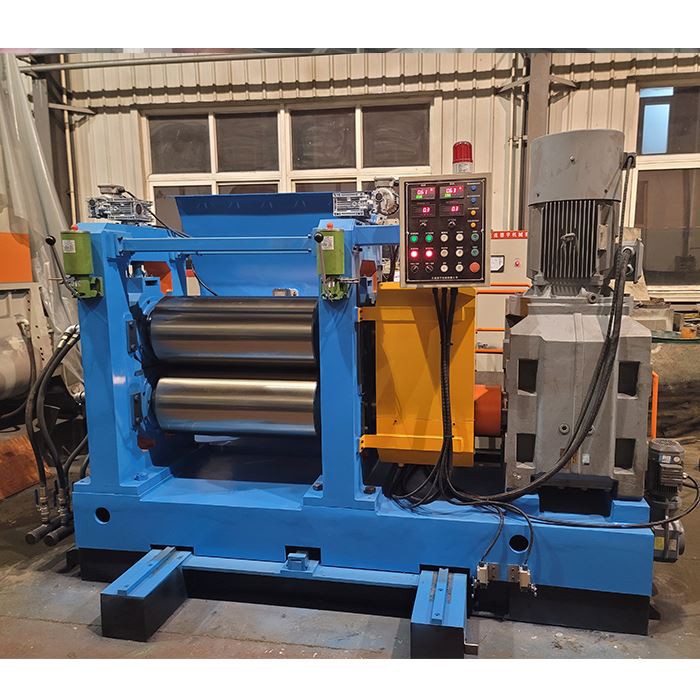
Before delving into the ways to improve flexibility, it is essential to understand the basic function of a Rubber Batch Off Unit. This equipment is primarily used to cool and convey rubber sheets or strips after they have been processed through machines such as Rubber Extruder Sheet Preforming Machine, Two Roll Mill For Rubber Compound, or Rubber Kneader Mixer. The unit typically consists of a conveyor system, cooling mechanism, and a take-up device.

Factors Affecting Flexibility
Several factors can influence the flexibility of a Rubber Batch Off Unit. These include the design of the equipment, the type of rubber being processed, the thickness and width of the rubber sheets, and the production speed. By addressing these factors, we can optimize the unit's performance and make it more adaptable to different rubber products.
Strategies to Improve Flexibility
1. Modular Design
A modular design is one of the most effective ways to enhance the flexibility of a Rubber Batch Off Unit. This approach allows for easy customization and modification of the unit to meet the specific requirements of different rubber products. For example, modular conveyor sections can be added or removed to adjust the length of the conveyor system, while interchangeable cooling modules can be used to accommodate different cooling requirements.
2. Adjustable Conveyor Speed
The ability to adjust the conveyor speed is crucial for processing different rubber products. Some rubber compounds may require a slower speed to ensure proper cooling and handling, while others can be processed at a higher speed. By incorporating a variable speed drive system into the Rubber Batch Off Unit, manufacturers can easily adjust the conveyor speed to match the specific needs of each product.
3. Multiple Cooling Options
Different rubber products may have different cooling requirements. Some may require air cooling, while others may need water cooling or a combination of both. A Rubber Batch Off Unit with multiple cooling options can provide greater flexibility in processing various rubber products. For example, a unit with both air and water cooling systems can be used to cool rubber sheets of different thicknesses and compositions.
4. Quick Changeover Mechanisms
In a production environment where multiple rubber products are processed, quick changeover mechanisms can significantly improve the flexibility of the Rubber Batch Off Unit. These mechanisms allow for rapid adjustment of the equipment to accommodate different product specifications, such as sheet width, thickness, and cooling requirements. For example, a quick release system for the conveyor belt can make it easier to change the belt when switching between different rubber products.
5. Advanced Control Systems
Advanced control systems can play a vital role in enhancing the flexibility of a Rubber Batch Off Unit. These systems can monitor and adjust various parameters, such as conveyor speed, cooling temperature, and tension, in real-time. By using sensors and feedback loops, the control system can ensure that the unit operates at optimal performance for each rubber product being processed.
Case Studies
To illustrate the effectiveness of these strategies, let's look at a few case studies.
Case Study 1: Processing Different Rubber Compounds
A rubber manufacturer was facing challenges in processing different rubber compounds using their existing Rubber Batch Off Unit. The unit was designed for a specific type of rubber and was not flexible enough to handle other compounds. By implementing a modular design and adjustable conveyor speed, the manufacturer was able to modify the unit to accommodate different rubber compounds. The modular design allowed for easy addition of cooling modules, while the adjustable conveyor speed ensured proper cooling and handling of each compound. As a result, the manufacturer was able to increase their production capacity and improve the quality of their rubber products.
Case Study 2: Handling Varying Sheet Thicknesses
Another manufacturer was struggling to process rubber sheets of varying thicknesses using their Rubber Batch Off Unit. The unit was designed for a specific sheet thickness and was unable to handle thinner or thicker sheets effectively. By incorporating a multiple cooling option and a quick changeover mechanism, the manufacturer was able to adapt the unit to process sheets of different thicknesses. The multiple cooling option allowed for precise control of the cooling process, while the quick changeover mechanism enabled rapid adjustment of the equipment to accommodate different sheet thicknesses. This resulted in increased productivity and reduced downtime.
Conclusion
In conclusion, improving the flexibility of a Rubber Batch Off Unit is essential for rubber manufacturers to stay competitive in today's market. By implementing strategies such as modular design, adjustable conveyor speed, multiple cooling options, quick changeover mechanisms, and advanced control systems, manufacturers can optimize the performance of their units and process a wide range of rubber products efficiently.
As a leading supplier of Rubber Batch Off Units, we are committed to providing our customers with innovative solutions that enhance the flexibility and performance of their equipment. If you are interested in learning more about how our Rubber Batch Off Units can meet your specific needs, please contact us to initiate a procurement discussion. Our team of experts will be happy to assist you in finding the best solution for your rubber processing requirements.
References
- Smith, J. (2020). Rubber Processing Technology. New York: Wiley.
- Jones, A. (2019). Advanced Conveyor Systems for the Rubber Industry. London: Elsevier.
- Brown, C. (2018). Cooling Techniques for Rubber Products. Chicago: CRC Press.