
As a reputable kneader mixer supplier, I understand the importance of maximizing the service life of these essential industrial machines. A well - maintained kneader mixer not only ensures consistent performance but also offers significant cost - savings in the long run. In this blog, I'll share some practical tips on how to extend the service life of a kneader mixer.
Regular Cleaning
One of the most fundamental steps in maintaining a kneader mixer is regular cleaning. After each use, it's crucial to remove any residual materials from the mixing chamber, blades, and other components. This prevents the build - up of hardened materials that can cause abrasion and corrosion over time.
For example, if you're using the kneader mixer to process sticky substances like rubber compounds, the residues can quickly accumulate and harden. Use appropriate cleaning agents that are compatible with the materials being processed. Soft brushes and non - abrasive cloths can be used to gently clean the surfaces without causing damage. Make sure to follow the manufacturer's guidelines regarding cleaning agents and procedures.
Lubrication
Proper lubrication is essential for the smooth operation of a kneader mixer. The moving parts, such as bearings, gears, and shafts, need to be lubricated regularly to reduce friction and wear. Check the lubrication levels frequently and top up as needed.
Use high - quality lubricants recommended by the manufacturer. Different parts of the kneader mixer may require different types of lubricants. For instance, the bearings may need a specific type of grease, while the gears may require an oil - based lubricant. Over - lubrication can also be a problem, as it can attract dust and debris, so make sure to apply the right amount.
Inspection and Maintenance of Electrical Components
The electrical components of a kneader mixer are just as important as the mechanical parts. Regularly inspect the wiring, switches, and motors for any signs of damage or wear. Loose connections can cause electrical problems, overheating, and even pose a safety hazard.
Test the electrical functions of the kneader mixer periodically. Check for any abnormal noises or vibrations from the motor, as these could indicate a problem. If you notice any issues with the electrical components, it's best to have them repaired by a qualified electrician.
Proper Installation
The way a kneader mixer is installed can have a significant impact on its service life. Make sure to install the machine on a stable and level surface. An uneven surface can cause excessive stress on the machine's structure, leading to premature wear and tear.
Follow the installation instructions provided by the manufacturer carefully. Ensure that all the components are properly aligned and tightened. If the kneader mixer is part of a larger production line, make sure it is integrated correctly to avoid any unnecessary stress or interference.
Operator Training
Well - trained operators are key to the long - term performance of a kneader mixer. Provide comprehensive training to your operators on how to use the machine correctly. This includes proper loading and unloading procedures, setting the right mixing parameters, and understanding the safety features.
Operators should be aware of the machine's limitations. Overloading the kneader mixer can cause excessive stress on the components and lead to breakdowns. Encourage operators to report any unusual noises, vibrations, or performance issues immediately so that problems can be addressed promptly.
Monitoring and Adjustment of Mixing Parameters
Keep a close eye on the mixing parameters such as speed, temperature, and pressure. These parameters should be set according to the requirements of the materials being processed. Incorrect settings can not only affect the quality of the end product but also cause unnecessary wear on the kneader mixer.
Regularly calibrate the sensors and controls that monitor these parameters. If the machine has an automated control system, make sure it is functioning correctly. Adjust the parameters as needed based on the feedback from the production process.
Protection from the Environment
The environment in which the kneader mixer operates can also affect its service life. If the machine is located in a dusty or humid environment, take appropriate measures to protect it. Install dust covers and use dehumidifiers if necessary.
Avoid exposing the kneader mixer to extreme temperatures. High temperatures can cause the lubricants to break down and the materials to expand, while low temperatures can make the components brittle. If possible, maintain a stable temperature and humidity level in the operating area.
Replacement of Worn Parts
Over time, some parts of the kneader mixer will inevitably wear out. It's important to identify these worn parts early and replace them promptly. Keep a stock of essential spare parts, such as blades, seals, and belts.
When replacing parts, use genuine parts recommended by the manufacturer. Generic or low - quality parts may not fit properly or perform as well, which can lead to further problems. Follow the replacement procedures carefully to ensure that the new parts are installed correctly.
Comparison with Related Machines
In the field of rubber mixing, there are other machines like the Open Mill, Banbury Machine Rubber Mixer, and Lab Open Mill. While these machines have their own unique features and applications, the principles of maintenance are somewhat similar.

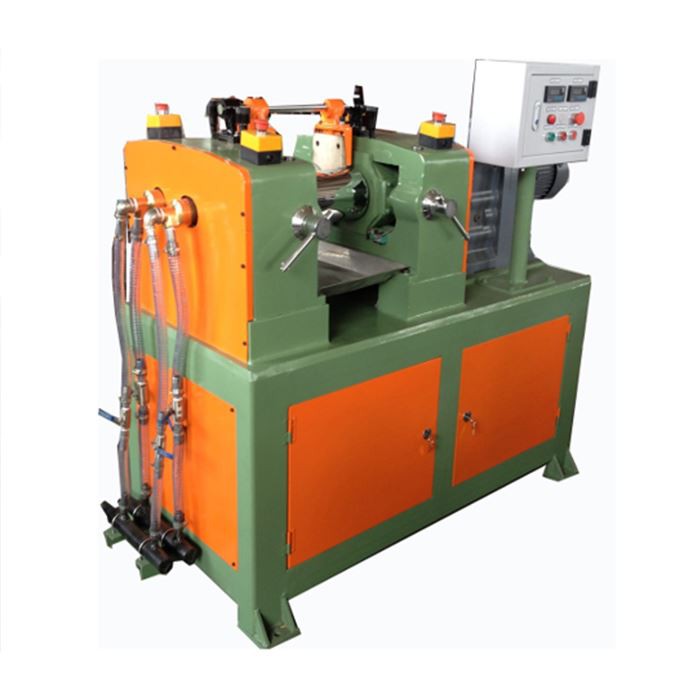
For example, all these machines require regular cleaning to prevent material build - up, proper lubrication to reduce friction, and inspection of electrical components. However, each machine may have specific maintenance requirements based on its design and function. Understanding these differences can help you make the most of each machine and extend their service lives.
Conclusion
Extending the service life of a kneader mixer requires a combination of regular maintenance, proper operation, and a good understanding of the machine's requirements. By following the tips outlined in this blog, you can ensure that your kneader mixer operates efficiently for a long time, reducing downtime and saving costs.
If you're interested in learning more about kneader mixers or are considering purchasing one for your production needs, I encourage you to contact us for a detailed discussion. Our team of experts can provide you with more information on the best models for your specific requirements and offer comprehensive after - sales support.
References
- Manufacturer's manual of kneader mixers
- Industry standards and guidelines for industrial machinery maintenance
- Technical papers on rubber mixing and kneader mixer technology