
In the dynamic landscape of the tire manufacturing industry, the ability to handle different tire load ratings is a critical aspect of the tire curing process. As a leading supplier of Tyre Curing Machines, we understand the complexities and challenges associated with catering to a diverse range of tire load ratings. In this blog, we will delve into the mechanisms and technologies employed by our Tyre Curing Machines to ensure optimal curing for tires with varying load capacities.
Understanding Tire Load Ratings
Before we explore how our Tyre Curing Machines handle different tire load ratings, it is essential to understand what tire load ratings are. A tire load rating is a numerical code that indicates the maximum weight a tire can safely carry at a specified inflation pressure. This rating is crucial as it directly impacts the tire's performance, safety, and durability. Tires with higher load ratings are designed to carry heavier loads, such as those used in commercial vehicles, while tires with lower load ratings are suitable for lighter vehicles, such as passenger cars.
Challenges in Curing Tires with Different Load Ratings
Curing tires with different load ratings presents several challenges. Tires with higher load ratings typically have thicker sidewalls and more robust internal structures to support the increased weight. These structural differences can affect the heat transfer and curing time during the vulcanization process. If the curing process is not properly adjusted, it can lead to under - cured or over - cured tires, which can compromise the tire's quality and performance.
On the other hand, tires with lower load ratings have thinner sidewalls and less complex internal structures. They require a different curing approach to ensure that the rubber is fully cured without overheating or deforming the tire.
How Our Tyre Curing Machines Address These Challenges
Precise Temperature Control
One of the key features of our Tyre Curing Machines is their ability to provide precise temperature control. We use advanced heating systems that can be adjusted to suit the specific requirements of tires with different load ratings. For tires with higher load ratings, the curing temperature may need to be slightly higher and maintained for a longer period to ensure that the thicker rubber layers are fully cured. Our machines are equipped with sensors that continuously monitor the temperature inside the mold and make real - time adjustments to maintain the optimal curing temperature.
For example, in our Multi Daylight Press, the multi - layer design allows for independent temperature control in each layer. This means that different types of tires, including those with varying load ratings, can be cured simultaneously without affecting each other's curing process.
Adjustable Pressure Settings
Pressure is another critical factor in the tire curing process. Tires with higher load ratings require higher pressure during curing to ensure that the rubber is properly molded and the internal structures are well - formed. Our Tyre Curing Machines are equipped with adjustable pressure systems that can be customized according to the tire's load rating.
The Tyre Curing Press in our product line offers precise pressure control. The hydraulic systems are designed to provide consistent pressure throughout the curing cycle, and operators can easily adjust the pressure settings based on the specific requirements of the tire being cured. This ensures that tires with different load ratings are cured under the optimal pressure conditions, resulting in high - quality tires.
Customizable Curing Cycles
We understand that each tire with a different load rating has its own unique curing requirements. That's why our Tyre Curing Machines allow for customizable curing cycles. Operators can program the machine to follow a specific sequence of temperature, pressure, and time settings for each type of tire.

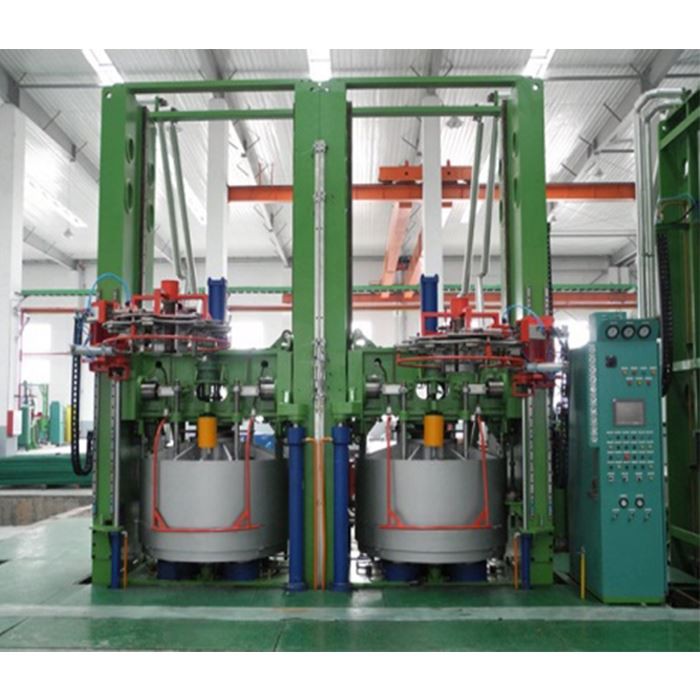
For instance, in our Mold Clamping & Unclamping Press, the curing cycle can be adjusted to accommodate the different curing times needed for tires with varying load ratings. This flexibility ensures that every tire, regardless of its load capacity, is cured to perfection.
Advanced Monitoring and Quality Assurance
In addition to the above features, our Tyre Curing Machines are equipped with advanced monitoring systems. These systems track various parameters during the curing process, such as temperature, pressure, and curing time. Any deviations from the set parameters are immediately detected, and the machine can take corrective actions or alert the operator.
We also implement strict quality assurance procedures. After the curing process, each tire is inspected for quality, including its physical properties, such as hardness, elasticity, and adhesion. This ensures that the tires meet the highest industry standards, regardless of their load ratings.
Benefits of Our Tyre Curing Machines for Handling Different Tire Load Ratings
Improved Product Quality
By precisely controlling the curing process for tires with different load ratings, our machines ensure that each tire is cured to its optimal state. This results in tires with consistent quality, better performance, and longer service life.
Increased Production Efficiency
The ability to cure different types of tires simultaneously and with customized curing cycles allows for higher production efficiency. Manufacturers can produce a wider range of tires on the same machine, reducing downtime and increasing overall productivity.
Cost - Effectiveness
Our Tyre Curing Machines offer a cost - effective solution for tire manufacturers. By minimizing the risk of defective tires and optimizing the curing process, manufacturers can reduce waste and save on production costs.
Conclusion
As a supplier of Tyre Curing Machines, we are committed to providing innovative solutions that meet the diverse needs of the tire manufacturing industry. Our machines' ability to handle different tire load ratings through precise temperature control, adjustable pressure settings, customizable curing cycles, and advanced monitoring systems sets us apart in the market.
If you are a tire manufacturer looking to enhance your production capabilities and improve the quality of your tires, we invite you to contact us for a detailed discussion on how our Tyre Curing Machines can meet your specific requirements. Our team of experts is ready to assist you in finding the best solution for your business.
References
- Smith, J. (2018). Tire Manufacturing Technology. New York: TireTech Publishing.
- Johnson, A. (2019). Advances in Tire Curing Processes. Journal of Rubber Science and Technology, 45(2), 123 - 135.
- Brown, C. (2020). The Impact of Load Ratings on Tire Curing. Tire Industry Review, 60(3), 45 - 52.