
In the realm of rubber processing, the Rubber Kneader Mixer stands as a cornerstone of efficiency and quality. At the heart of this remarkable machine lies the mixing chamber, a critical component whose airtightness plays a multifaceted and indispensable role. As a seasoned supplier of Rubber Kneader Mixers, I am thrilled to delve into the significance of the airtightness of the mixing chamber and its far - reaching implications for rubber production.
The Basics of Rubber Kneader Mixer and the Mixing Chamber
Before we explore the role of airtightness, let's briefly understand the Rubber Kneader Mixer. This machine is designed to blend various rubber compounds, additives, and fillers thoroughly. The mixing chamber is where all the action happens. It houses the rotors that shear, knead, and mix the rubber materials.
The airtightness of the mixing chamber refers to its ability to prevent the ingress or egress of air during the mixing process. A well - sealed mixing chamber creates a controlled environment, which is essential for achieving consistent and high - quality rubber products.
Role in Preventing Oxidation
One of the primary roles of the airtightness of the mixing chamber is to prevent oxidation of the rubber compounds. Rubber is susceptible to oxidation when exposed to air, especially at elevated temperatures during the mixing process. Oxidation can lead to a series of detrimental effects on the rubber, such as reduced elasticity, increased hardness, and decreased resistance to aging.
When the mixing chamber is airtight, the oxygen content inside is minimized. This reduces the likelihood of oxidation reactions occurring, preserving the original properties of the rubber. As a result, the final rubber products exhibit better mechanical properties, longer service life, and improved overall quality. For example, in the production of rubber seals, preventing oxidation ensures that the seals maintain their flexibility and sealing performance over time.
Controlling Volatile Organic Compounds (VOCs)
During the rubber mixing process, various volatile organic compounds are released. These VOCs not only pose environmental and health risks but can also affect the quality of the rubber. An airtight mixing chamber helps to contain these VOCs within the chamber.
By preventing the escape of VOCs, the working environment becomes safer for operators. Moreover, it allows for better control of the mixing process. The trapped VOCs can be properly managed and removed through appropriate ventilation systems connected to the chamber. This ensures that the rubber compounds are not contaminated by external air and that the mixing process is carried out under stable conditions.
Maintaining Temperature and Pressure
Airtightness is crucial for maintaining the desired temperature and pressure inside the mixing chamber. Temperature control is vital in rubber mixing because different rubber compounds require specific temperature ranges for optimal mixing. An airtight chamber reduces heat loss, allowing for more efficient heating and precise temperature control.
Similarly, pressure control is important for achieving proper mixing and dispersion of the rubber materials. The airtight design helps to maintain a stable pressure inside the chamber, ensuring that the rotors can effectively knead and mix the rubber. This is particularly important in high - shear mixing processes, where consistent pressure is required to break down the rubber particles and distribute the additives evenly.
Enhancing Mixing Efficiency
The airtightness of the mixing chamber also contributes to enhancing the mixing efficiency. When the chamber is airtight, there is no interference from external air currents. This allows the rotors to work more effectively, ensuring thorough mixing of the rubber compounds.
The absence of air also reduces the formation of air pockets within the rubber mixture. Air pockets can cause uneven mixing and lead to weak spots in the final rubber products. By eliminating these air pockets, the airtight chamber helps to produce a more homogeneous rubber mixture, which translates into better - quality rubber products.
Impact on Batch Consistency
In rubber production, batch consistency is of utmost importance. Each batch of rubber should have the same properties and quality to meet the requirements of the end - users. The airtightness of the mixing chamber plays a key role in achieving batch consistency.
Since the airtight chamber provides a controlled environment, the mixing conditions are more consistent from one batch to another. This means that the rubber compounds are subjected to the same temperature, pressure, and oxygen levels, resulting in consistent mixing and similar product properties. Whether you are producing Kneader Machine For Rubber Mixing for small - scale or large - scale production, batch consistency is essential for maintaining customer satisfaction.
Compatibility with Other Rubber Processing Equipment
The airtight mixing chamber also has implications for the compatibility with other rubber processing equipment. For instance, when the rubber mixture is transferred from the kneader mixer to a Rubber Batch Off Unit or a Rubber Extruder Sheet Preforming Machine, the airtightness of the mixing chamber ensures that the rubber compounds remain in a stable state.
The well - mixed and non - oxidized rubber compounds are more likely to be processed smoothly in subsequent equipment. This reduces the likelihood of production disruptions and improves the overall efficiency of the rubber processing line.
Importance in Customized Rubber Formulations
In modern rubber production, customized rubber formulations are becoming increasingly popular. Different customers may have specific requirements for the rubber properties, such as hardness, elasticity, and chemical resistance. The airtightness of the mixing chamber is crucial in achieving these customized formulations.
By providing a controlled environment, the airtight chamber allows for precise control of the mixing process. This enables the production of rubber compounds with the exact properties specified by the customers. For example, in the production of rubber components for the automotive industry, customized rubber formulations are often required to meet the strict performance standards. The airtight mixing chamber helps to ensure that these formulations are achieved consistently.
Quality Assurance and Compliance
As a Rubber Kneader Mixer supplier, we understand the importance of quality assurance and compliance with industry standards. The airtightness of the mixing chamber is an essential factor in meeting these requirements.
Many industries, such as the medical and food industries, have strict regulations regarding the quality and safety of rubber products. An airtight mixing chamber helps to ensure that the rubber products meet these standards by preventing contamination and maintaining the integrity of the rubber compounds. It also provides traceability and documentation of the mixing process, which is crucial for quality control and compliance.
Conclusion
In conclusion, the airtightness of the mixing chamber in a Rubber Kneader Mixer plays a vital role in various aspects of rubber production. From preventing oxidation and controlling VOCs to maintaining temperature and pressure, enhancing mixing efficiency, and ensuring quality assurance, it is an indispensable feature of the machine.

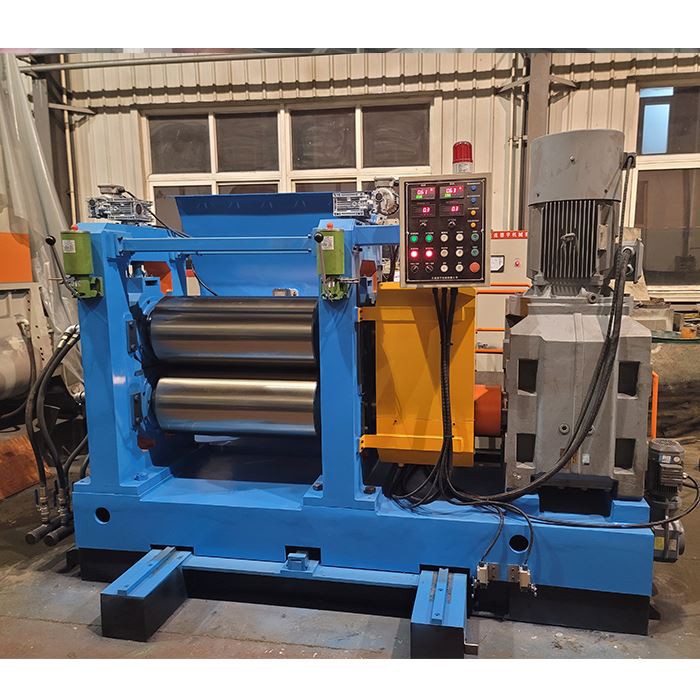
As a supplier, we are committed to providing high - quality Rubber Kneader Mixers with airtight mixing chambers. Our machines are designed to meet the diverse needs of the rubber industry, ensuring optimal performance and reliable operation. If you are interested in purchasing a Rubber Kneader Mixer or have any questions about our products, please feel free to contact us for procurement discussions. We look forward to partnering with you to achieve your rubber processing goals.
References
- "Rubber Technology: Compounding, Mixing, and Vulcanization" by Maurice Morton
- "Handbook of Rubber Technology" edited by James E. Mark, Burak Erman, and Charles L. Roth