
Hey there! As a supplier of rubber mixers, I've seen firsthand the crucial role that cooling systems play in these machines. In this blog, I'm gonna break down why cooling systems are so important in a rubber mixer, how they work, and the different types you might come across.
Why Cooling Systems are a Big Deal in Rubber Mixers
Let's start with the basics. Rubber mixing is a high - energy process. When you're blending rubber compounds, you're using a lot of mechanical force, which generates a ton of heat. And here's the thing, rubber doesn't like too much heat. If the temperature gets out of control during the mixing process, it can cause some serious problems.
For one, excessive heat can lead to premature vulcanization. Vulcanization is the process that gives rubber its strength and elasticity. But if it happens too early, the rubber becomes hard and brittle, and it won't have the properties you're looking for. That's a huge waste of time and materials.
Another issue is that high temperatures can break down the rubber polymers. This can change the chemical structure of the rubber, affecting its performance. The rubber might become less durable, have a shorter lifespan, or not meet the quality standards required for its intended use.
So, a good cooling system is essential to keep the temperature in check. It ensures that the rubber mixing process goes smoothly, and you end up with a high - quality rubber product.
How Cooling Systems Work in Rubber Mixers
Cooling systems in rubber mixers work by removing the heat generated during the mixing process. There are a few different ways they can do this.
One common method is through water cooling. Water is a great coolant because it has a high specific heat capacity, which means it can absorb a lot of heat without changing its temperature too much. In a water - cooled rubber mixer, water is circulated through channels or jackets around the mixing chamber. As the hot rubber comes into contact with the cool walls of the chamber, heat is transferred from the rubber to the water. The heated water is then pumped out of the mixer and cooled in a separate heat exchanger before being recirculated.
Another option is air cooling. Air - cooled rubber mixers use fans to blow air over the mixing chamber or other heat - generating components. The moving air carries away the heat, cooling the rubber and the machine. Air cooling is simpler and often more cost - effective than water cooling, but it might not be as efficient in removing large amounts of heat. It's usually more suitable for smaller rubber mixers or applications where the heat generation is relatively low.
Types of Rubber Mixers and Their Cooling Needs
Different types of rubber mixers have different cooling requirements. Let's take a look at a few common types:
Open Mill
An Open Mill is a simple and widely used rubber mixer. It consists of two horizontally arranged rollers that rotate in opposite directions. The rubber is fed between the rollers, and the shearing action between them mixes the rubber compounds.
Open mills generate a significant amount of heat during operation, especially when mixing high - viscosity rubber compounds. A good cooling system is crucial to prevent overheating. Water cooling is often the preferred method for open mills, as it can effectively remove the heat generated by the intense shearing forces between the rollers.

Batch Off Cooling Machine
A Batch Off Cooling Machine is used to cool the rubber after it has been mixed. Once the rubber has been processed in a mixer, it comes out at a high temperature. The batch off cooling machine helps to quickly reduce the temperature of the rubber so that it can be further processed or stored.
These machines typically use a combination of water and air cooling. The rubber is passed through a series of rollers or conveyor belts while being sprayed with water and exposed to moving air. This helps to rapidly dissipate the heat and bring the rubber to a suitable temperature.
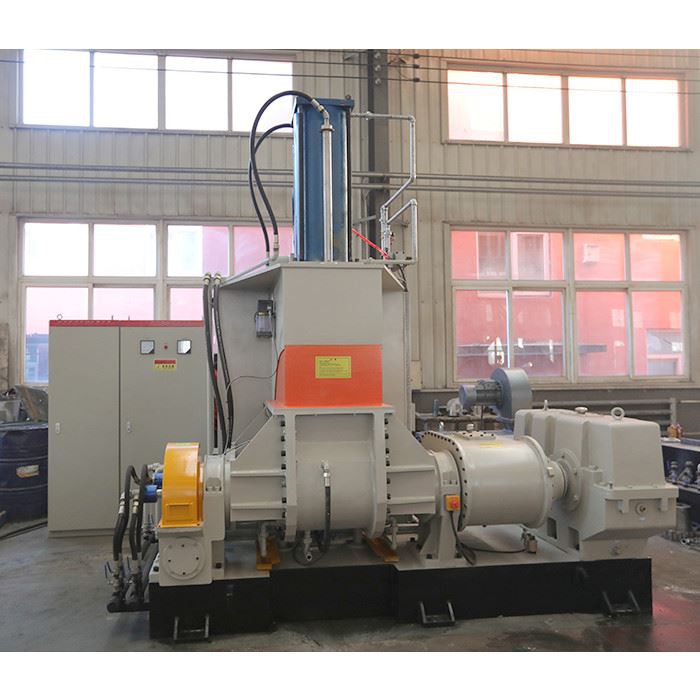
Kneader Machine For Rubber Mixing
A Kneader Machine For Rubber Mixing is designed for more intensive mixing tasks. It has a pair of counter - rotating blades that knead and mix the rubber compounds. Kneader machines generate a lot of heat due to the high - energy mixing action.
Water cooling is usually the best option for kneader machines. The cooling system needs to be able to handle the large amount of heat generated by the powerful blades. Some kneader machines also have additional cooling features, such as cooling jackets on the blades themselves, to ensure efficient heat removal.
Choosing the Right Cooling System for Your Rubber Mixer
When choosing a cooling system for your rubber mixer, there are a few factors to consider.
First, you need to think about the size and type of your rubber mixer. Larger mixers or those with more powerful motors will generate more heat and will require a more robust cooling system. The type of rubber you're mixing also matters. High - viscosity rubbers or those with special additives might generate more heat during mixing and need better cooling.
Cost is another important factor. Water - cooling systems can be more expensive to install and maintain, as they require a water source, pumps, and a heat exchanger. Air - cooling systems are generally cheaper, but they might not be sufficient for all applications.
You also need to consider the available space in your facility. Water - cooling systems often require additional equipment, such as a water storage tank and a heat exchanger, which take up more space. Air - cooling systems are more compact and can be a good option if space is limited.
Conclusion
In conclusion, the cooling system is a vital part of a rubber mixer. It plays a key role in ensuring the quality and consistency of the rubber products. By keeping the temperature under control, it prevents premature vulcanization, polymer degradation, and other issues that can affect the performance of the rubber.
As a rubber mixer supplier, I understand the importance of a reliable cooling system. We offer a range of rubber mixers with different cooling options to meet the diverse needs of our customers. Whether you're looking for an open mill, a batch off cooling machine, or a kneader machine for rubber mixing, we can help you find the right solution.
If you're in the market for a rubber mixer or need to upgrade your existing cooling system, don't hesitate to reach out. We're here to assist you with all your rubber mixing needs and ensure that you get the best - performing equipment for your business.
References
- "Rubber Technology Handbook" by Werner Hofmann
- "Mixing of Polymers: Theory and Practice" by Ian Manas - Zambani and John M. Dealy