
Hey there! As a supplier of rubber mixers, I often get asked about the mixing speed of these machines. It's a crucial factor that can significantly impact the quality and efficiency of rubber mixing processes. So, let's dive right in and explore what the mixing speed of a rubber mixer really means.
What is Mixing Speed?
Mixing speed refers to how fast the mixing elements in a rubber mixer rotate or move. In simple terms, it's the rate at which the mixer can blend different rubber compounds, additives, and fillers together. This speed is usually measured in revolutions per minute (RPM) for mixers with rotating parts like two - roll mills or internal mixers.
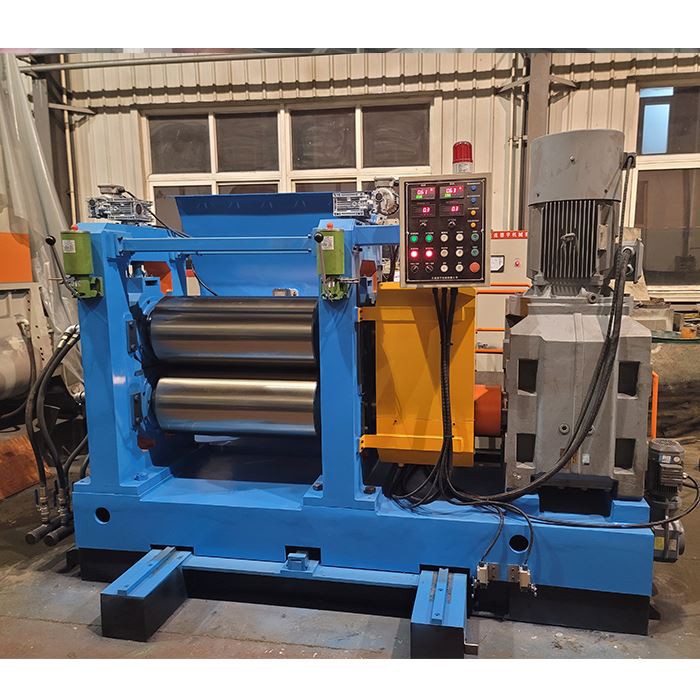
The mixing speed can vary widely depending on the type of rubber mixer. For instance, a Two Roll Rubber Mill typically has a relatively lower mixing speed compared to some high - intensity internal mixers. The two - roll mill works by passing the rubber between two counter - rotating rolls. The speed of these rolls affects how well the rubber is sheared and mixed. A slower speed might be used for gentle mixing or when dealing with delicate rubber compounds, while a higher speed can increase the shear force and accelerate the mixing process.
On the other hand, an internal mixer, which has a more complex mixing chamber with rotors, can operate at higher RPMs. These higher speeds allow for more intense and rapid mixing of the rubber materials. The rotors in an internal mixer can create a high - energy environment that breaks down the rubber molecules and disperses the additives more effectively.

Factors Affecting Mixing Speed
There are several factors that can influence the ideal mixing speed for a rubber mixer.
Rubber Compound Characteristics
Different rubber compounds have different viscosities and physical properties. For example, natural rubber is generally more viscous than some synthetic rubbers. A more viscous rubber compound might require a lower mixing speed initially to prevent over - heating and excessive shear stress. As the mixing progresses and the compound softens, the speed can be gradually increased.
Additives and Fillers
The type and amount of additives and fillers used in the rubber compound also play a role. Some additives, like carbon black, can increase the viscosity of the rubber and make it more difficult to mix. In such cases, a higher mixing speed might be needed to ensure proper dispersion of the filler throughout the rubber matrix. However, if the speed is too high, it can cause the filler to agglomerate, leading to uneven mixing.
Mixer Design
The design of the rubber mixer itself is a major factor. The size and shape of the mixing chamber, the type of mixing elements (rolls, rotors, etc.), and the power of the motor all affect the achievable mixing speed. A well - designed mixer with a powerful motor can maintain a consistent and appropriate mixing speed even under heavy loads.
Importance of the Right Mixing Speed
Getting the mixing speed right is essential for several reasons.
Quality of the Rubber Product
Proper mixing speed ensures that all the components of the rubber compound are evenly distributed. This leads to a more homogeneous rubber product with consistent physical and mechanical properties. For example, if the mixing speed is too low, the additives might not be fully dispersed, resulting in weak spots in the final rubber product. On the other hand, if the speed is too high, it can cause degradation of the rubber molecules, reducing the strength and durability of the product.
Production Efficiency
The right mixing speed can significantly improve production efficiency. A higher mixing speed can reduce the mixing time, allowing for more batches to be produced in a given period. However, it's important to find the balance between speed and quality. If the speed is increased too much without considering the other factors, it can lead to re - work or scrap, which ultimately reduces efficiency.
Different Types of Rubber Mixers and Their Mixing Speeds
Let's take a closer look at some common types of rubber mixers and their typical mixing speeds.
Two Roll Rubber Mill
As mentioned earlier, a Two Roll Rubber Mill has relatively lower mixing speeds. The rolls usually rotate at speeds ranging from 10 to 30 RPM. The slower speed is beneficial for processes like mastication (softening the rubber) and pre - mixing. It allows for better control over the rubber and reduces the risk of over - heating.
Rubber Extruder Sheet Preforming Machine
A Rubber Extruder Sheet Preforming Machine can operate at a wide range of speeds depending on the application. The screw in the extruder rotates at speeds that can vary from 20 to 100 RPM or more. Higher speeds are used for high - volume production, while lower speeds might be used for more precise shaping or when working with sensitive rubber compounds.
Rubber Refiner Mill
A Rubber Refiner Mill is designed to further refine the rubber after initial mixing. It typically operates at speeds similar to a two - roll mill, usually in the range of 15 to 35 RPM. The slower speed helps in achieving a fine and uniform texture of the rubber.
How to Determine the Optimal Mixing Speed
Determining the optimal mixing speed for a specific rubber compound and application can be a bit of a trial - and - error process. However, there are some general guidelines.
Start with Manufacturer Recommendations
Most rubber mixer manufacturers provide recommended mixing speeds for different types of rubber compounds. These recommendations are based on extensive testing and experience. It's a good idea to start with these values and then make adjustments based on your specific requirements.
Conduct Small - Scale Trials
Before scaling up production, it's advisable to conduct small - scale trials with different mixing speeds. Monitor the quality of the mixed rubber, including its physical properties, appearance, and performance. Based on the results of these trials, you can determine the optimal speed for your production process.
Conclusion
In conclusion, the mixing speed of a rubber mixer is a critical parameter that can make or break the quality and efficiency of rubber production. It's influenced by various factors such as the rubber compound characteristics, additives, and mixer design. By understanding these factors and carefully selecting the right mixing speed, you can ensure that your rubber products meet the highest standards.
If you're in the market for a rubber mixer or have any questions about mixing speeds and rubber mixing in general, don't hesitate to reach out. We're here to help you find the best solution for your rubber mixing needs. Whether you're looking for a Two Roll Rubber Mill, a Rubber Extruder Sheet Preforming Machine, or a Rubber Refiner Mill, we've got you covered. Let's start a conversation and take your rubber production to the next level!
References
- "Rubber Technology: Compounding, Mixing, and Vulcanization" by Maurice Morton
- "Handbook of Rubber Technology" edited by James E. Mark, Burak Erman, and Charles L. Roth