

A Rubber Banbury Mixer is a crucial piece of equipment in the rubber processing industry. As a supplier of Rubber Banbury Mixers, I am often asked about the installation process. In this blog post, I will walk you through the detailed steps of installing a Rubber Banbury Mixer.
1. Site Preparation
Before the actual installation of the Rubber Banbury Mixer begins, proper site preparation is essential. First, you need to select a suitable location. The area should be large enough to accommodate the mixer and provide sufficient space for operation and maintenance. A general rule of thumb is to have at least a few meters of clearance around the machine to ensure easy access.
The floor where the mixer will be installed must be flat and capable of bearing the weight of the machine. The Rubber Banbury Mixer is a heavy - duty piece of equipment, and an uneven or weak floor can lead to instability during operation, which may cause damage to the machine and pose safety risks. It is advisable to conduct a floor load - bearing capacity test before installation.
In addition, the site should have proper ventilation. The mixing process in a Rubber Banbury Mixer generates heat and may release fumes. Adequate ventilation helps to dissipate heat and remove harmful fumes, creating a safe and comfortable working environment. Install exhaust fans or ventilation ducts according to the size of the installation area and the requirements of the mixer.
2. Unloading and Transporting the Mixer
Once the site is prepared, the next step is to unload the Rubber Banbury Mixer from the transportation vehicle. Use appropriate lifting equipment such as cranes or forklifts. Make sure the lifting points are correctly identified and secured. The mixer should be lifted gently to avoid any damage during the unloading process.
During transportation within the installation site, use flat - bed trucks or other suitable conveyances. Ensure that the mixer is well - secured to prevent it from shifting or tipping over. It is also important to protect the mixer from scratches and impacts during this stage.
3. Positioning the Mixer
After transporting the mixer to the installation site, position it accurately according to the pre - determined layout. Use leveling tools to ensure that the mixer is perfectly horizontal. A level mixer is crucial for its proper operation and can prevent uneven wear of components.
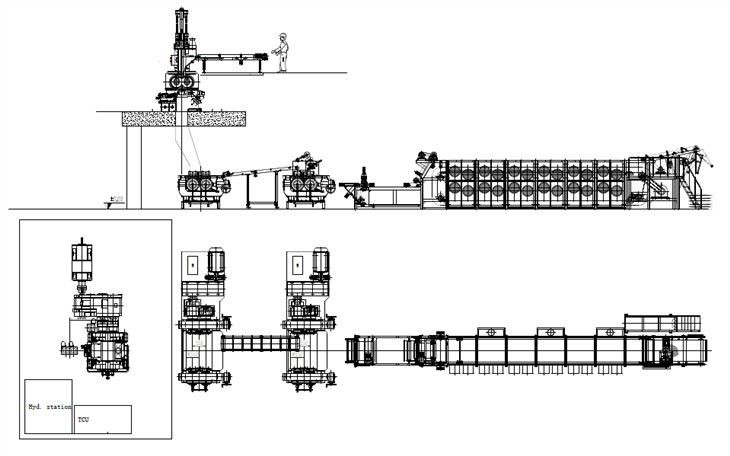
The positioning should also take into account the connection with other equipment in the rubber processing line. For example, if it is part of a Rubber Mixing Line, ensure that there is a proper alignment with other machines such as the Two Roll Rubber Mill. This allows for a smooth flow of materials during the production process.
4. Foundation Installation
For larger and more heavy - duty Rubber Banbury Mixers, a proper foundation is required. The foundation should be designed according to the specifications of the mixer, including its weight, dimensions, and operating forces. Reinforced concrete is commonly used for the foundation.
First, dig a pit of the appropriate size and depth according to the foundation design. Then, place the reinforcement bars in the pit and pour the concrete. Allow the concrete to cure for the recommended time, usually several days to a week, depending on the type of concrete and environmental conditions.
Once the concrete has cured, mount the mixer on the foundation using anchor bolts. Tighten the anchor bolts to the specified torque to ensure a secure connection between the mixer and the foundation.
5. Electrical Installation
The electrical installation is a critical part of the installation process. The Rubber Banbury Mixer requires a stable power supply. Connect the mixer to the electrical system according to the electrical diagram provided by the manufacturer.
Use high - quality electrical cables that are suitable for the power requirements of the mixer. Install electrical protection devices such as circuit breakers and fuses to prevent electrical faults and ensure the safety of the equipment and operators.
It is also necessary to ground the mixer properly. A good grounding system can protect against electrical shocks and reduce the risk of electrical interference.
6. Pneumatic and Hydraulic System Installation
Many Rubber Banbury Mixers are equipped with pneumatic and hydraulic systems for various functions such as opening and closing the mixing chamber, controlling the ram, etc. Install the pneumatic and hydraulic pipelines according to the manufacturer's instructions.
Check for any leaks in the pipelines after installation. Use pressure - testing equipment to ensure that the pneumatic and hydraulic systems can reach the required pressure levels. Replace any damaged or leaking components immediately.
7. Mechanical Installation and Assembly
Assemble the various mechanical components of the Rubber Banbury Mixer, such as the rotors, ram, and mixing chamber. Follow the assembly instructions carefully to ensure that all components are installed correctly.
Lubricate the moving parts as recommended by the manufacturer. Proper lubrication reduces friction, extends the service life of components, and ensures smooth operation of the mixer.
8. Testing and Commissioning
After the installation is completed, conduct a series of tests to ensure that the Rubber Banbury Mixer is working properly. First, perform a visual inspection to check for any loose bolts, improper connections, or damaged components.
Then, conduct a no - load test. Start the mixer without any materials inside and let it run for a certain period. Observe the operation of the mixer, including the rotation of the rotors, the movement of the ram, and the operation of the electrical and pneumatic/hydraulic systems. Check for any abnormal noises, vibrations, or malfunctions.
If the no - load test is successful, proceed to a load test. Gradually add the appropriate amount of rubber materials and other additives to the mixing chamber and start the mixing process. Monitor the temperature, pressure, and power consumption during the load test. Adjust the operating parameters if necessary to achieve the desired mixing effect.
9. Training the Operators
Once the mixer has passed the testing and commissioning stage, it is important to train the operators. Provide comprehensive training on the operation, maintenance, and safety procedures of the Rubber Banbury Mixer.

The training should cover topics such as how to start and stop the mixer, how to adjust the mixing parameters, how to perform routine maintenance tasks, and how to handle emergency situations. Operators should be familiar with the control panel, safety devices, and all functions of the mixer.
Why Choose Our Rubber Banbury Mixers?
Our company is a professional supplier of Banbury Machine Rubber Mixer. Our mixers are designed with advanced technology and high - quality materials, ensuring high efficiency, reliability, and long service life.
We offer a complete installation service, including site preparation guidance, professional installation, and thorough testing and commissioning. Our experienced technicians can ensure that the installation process is carried out smoothly and that the mixer operates at its best performance.
If you are in the market for a Rubber Banbury Mixer or have any questions about the installation process, please feel free to contact us. We are ready to provide you with detailed information and professional solutions. Let's work together to improve your rubber processing operations.
References
- "Handbook of Rubber Technology" by Maurice Morton
- Manufacturer's installation manual for Rubber Banbury Mixers


