
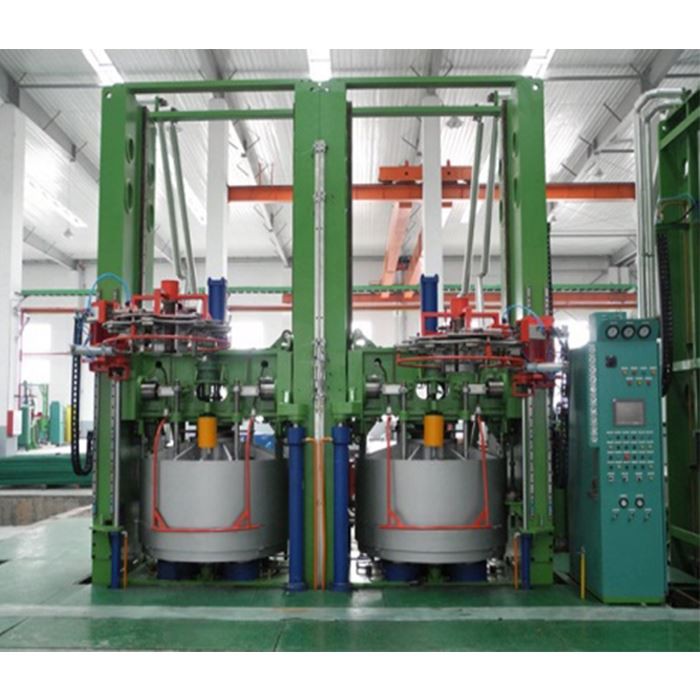
As a reputable supplier of Tube Curing Presses, I've witnessed firsthand the intricate relationship between tube plasticizers and the curing process. In this blog, we'll explore the curing effects of different tube plasticizers in a Tube Curing Press, shedding light on their unique characteristics and impacts on the final product.

Understanding Tube Plasticizers
Tube plasticizers are substances added to rubber compounds to enhance their flexibility, workability, and durability. They play a crucial role in the manufacturing of various rubber tubes, such as inner tubes for tires, hydraulic hoses, and industrial tubing. By reducing the glass transition temperature of the rubber, plasticizers make it more pliable at room temperature and improve its resistance to cracking and tearing.
There are several types of tube plasticizers available in the market, each with its own set of properties and applications. Some of the most common types include phthalates, adipates, sebacates, and citrates. These plasticizers differ in terms of their chemical structure, molecular weight, and solubility, which ultimately affects their performance in the curing process.
Curing Process in a Tube Curing Press
The tube curing process involves subjecting the rubber tube to heat and pressure in a Tube Curing Press. This process causes the rubber to cross-link, forming a three-dimensional network that gives the tube its final shape and properties. The curing time and temperature depend on various factors, such as the type of rubber, the thickness of the tube, and the desired physical properties of the final product.
During the curing process, the plasticizer plays a vital role in facilitating the cross-linking reaction and improving the overall quality of the tube. It helps to disperse the curing agents evenly throughout the rubber compound, ensuring a uniform cure. Additionally, the plasticizer can affect the curing rate, the mechanical properties of the tube, and its resistance to aging and environmental factors.
Curing Effects of Different Tube Plasticizers
Phthalates
Phthalates are one of the most widely used types of tube plasticizers due to their excellent plasticizing efficiency and low cost. They are commonly used in the production of PVC tubes, as well as in rubber compounds for inner tubes and other applications. Phthalates have a relatively low molecular weight, which allows them to penetrate the rubber matrix easily and provide good flexibility and processability.
In a Tube Curing Press, phthalates can enhance the curing rate and improve the mechanical properties of the tube. They help to reduce the viscosity of the rubber compound, making it easier to mold and shape. Additionally, phthalates can improve the tube's resistance to abrasion, tearing, and aging. However, phthalates have come under scrutiny in recent years due to their potential health and environmental risks. As a result, many manufacturers are now looking for alternative plasticizers that are safer and more sustainable.
Adipates
Adipates are another type of tube plasticizer that is commonly used in rubber compounds. They have a higher molecular weight than phthalates, which gives them better resistance to extraction and migration. Adipates are often used in applications where the tube will be exposed to high temperatures or harsh chemicals, such as in automotive and industrial applications.
In a Tube Curing Press, adipates can provide excellent plasticizing efficiency and improve the tube's resistance to heat and oil. They can also enhance the tube's flexibility and low-temperature performance. However, adipates are generally more expensive than phthalates, which may limit their use in some applications.
Sebacates
Sebacates are a type of tube plasticizer that is known for its excellent low-temperature flexibility and resistance to cold flow. They have a high molecular weight and a long-chain structure, which gives them good compatibility with rubber and other polymers. Sebacates are commonly used in applications where the tube will be exposed to extreme temperatures, such as in aerospace and military applications.
In a Tube Curing Press, sebacates can improve the tube's flexibility and toughness at low temperatures. They can also enhance the tube's resistance to cracking and tearing, even under severe conditions. However, sebacates are relatively expensive and may not be suitable for all applications.
Citrates
Citrates are a type of tube plasticizer that is derived from natural sources, such as citric acid. They are considered to be a more environmentally friendly alternative to phthalates and other traditional plasticizers. Citrates have a low toxicity and are biodegradable, making them a popular choice for applications where safety and sustainability are important.
In a Tube Curing Press, citrates can provide good plasticizing efficiency and improve the tube's flexibility and processability. They can also enhance the tube's resistance to aging and environmental factors, such as UV radiation and ozone. However, citrates may have a slightly lower plasticizing efficiency than phthalates, which may require higher loading levels to achieve the desired properties.
Choosing the Right Tube Plasticizer
When selecting a tube plasticizer for use in a Tube Curing Press, it is important to consider several factors, such as the type of rubber, the desired physical properties of the tube, the curing conditions, and the environmental requirements. Each type of plasticizer has its own set of advantages and disadvantages, and the choice will depend on the specific application and requirements.
In addition to the performance characteristics of the plasticizer, it is also important to consider its safety and environmental impact. As mentioned earlier, phthalates have come under scrutiny due to their potential health and environmental risks. Therefore, many manufacturers are now looking for alternative plasticizers that are safer and more sustainable.
Conclusion
In conclusion, the choice of tube plasticizer can have a significant impact on the curing process and the final properties of the tube. Different types of plasticizers have different curing effects, and the selection of the right plasticizer depends on various factors, such as the type of rubber, the desired physical properties of the tube, and the environmental requirements.
As a supplier of Tube Curing Presses, we understand the importance of using high-quality plasticizers to ensure the best possible results. We work closely with our customers to recommend the most suitable plasticizer for their specific application and provide them with the necessary technical support and guidance.
If you are interested in learning more about our Tube Curing Presses or have any questions about the tube curing process, please feel free to contact us. We would be happy to discuss your requirements and provide you with a customized solution.
References
- "Rubber Technology: Compounding, Mixing, and Vulcanization" by Maurice Morton
- "Plasticizers: Principles and Practice" by George Wypych
- "Handbook of Plasticizers" edited by George Wypych
Remember, choosing the right tube plasticizer is crucial for achieving the desired curing effects and producing high-quality tubes. If you're in the market for a Tube Curing Press or need more information on plasticizers, Inner Tube Curing Press and Motorcycle Bicycle Tyre Curing Press are great resources to explore. Also, check out our Tyre Curing Press for related solutions. Contact us today to start a discussion about your specific needs and how we can assist you in your tube manufacturing process.