
Hey there! As a supplier of Tyre Curing Machines, I've seen firsthand the ins and outs of the retreaded tyre curing process. In this blog, I'll break down the special requirements for curing retreaded tyres using a Tyre Curing Machine.
Understanding the Basics of Retreaded Tyre Curing
First off, let's talk about what retreaded tyre curing is all about. Retreading is a cost - effective and environmentally friendly way to give old tyres a new lease on life. The process involves removing the worn - out tread from a used tyre and then applying a new tread layer. But for this new tread to bond properly and have the right properties, curing is essential.
Curing is basically a chemical process where heat and pressure are applied to the retreaded tyre. This causes the rubber in the new tread to cross - link, which gives the tyre its strength, durability, and flexibility. And that's where our Tyre Curing Machines come in.
Temperature Requirements
One of the most critical factors in curing retreaded tyres is temperature. Different types of rubber compounds used in retreading have specific temperature ranges at which they cure optimally.
For most standard retread rubber compounds, the curing temperature usually falls between 140°C and 160°C. If the temperature is too low, the rubber won't cross - link properly. This can result in a weak bond between the new tread and the tyre carcass, and the tyre may not have the required strength and durability. On the other hand, if the temperature is too high, it can cause the rubber to over - cure. Over - cured rubber becomes brittle, loses its flexibility, and is more prone to cracking.
Our Tyre Curing Machines are designed to maintain a precise temperature throughout the curing process. They use advanced heating elements and temperature sensors to ensure that the temperature stays within the ideal range for the specific rubber compound being used. For example, if you're using a high - performance rubber compound that requires a slightly higher curing temperature, our machines can be easily adjusted to meet that requirement.
Pressure Requirements
Pressure is another key factor in the curing process. The right amount of pressure helps to ensure that the new tread is firmly bonded to the tyre carcass and that there are no air bubbles or voids in the cured tyre.
Typically, the pressure required for curing retreaded tyres ranges from 10 to 20 bar. This pressure is applied evenly across the surface of the tyre during the curing process. Our Tyre Curing Machines are equipped with powerful hydraulic systems that can generate and maintain the necessary pressure. The pressure is carefully controlled to prevent over - or under - pressurization, which can both lead to defective tyres.
When the pressure is too low, the new tread may not bond properly to the carcass, and the tyre may develop separation issues. If the pressure is too high, it can cause the tyre to deform or damage the mould. Our machines are designed to provide a consistent and uniform pressure distribution, ensuring high - quality cured tyres every time.
Curing Time
Curing time is closely related to temperature and pressure. The curing time depends on the size of the tyre, the type of rubber compound, and the curing temperature and pressure.
For smaller retreaded tyres, like those used on bicycles, the curing time may be as short as 20 - 30 minutes. Larger truck tyres, on the other hand, can take several hours to cure properly. It's important to follow the recommended curing time for each specific tyre and rubber compound.
Our Tyre Curing Machines come with programmable timers that allow you to set the exact curing time required for your tyres. This ensures that the curing process is completed accurately and efficiently, without under - or over - curing the tyres.
Mould Requirements
The mould used in the curing process also plays a crucial role. The mould gives the tyre its final shape and pattern. It needs to be clean, well - maintained, and properly designed for the specific tyre size and tread pattern.
The mould should be made of high - quality materials that can withstand the high temperatures and pressures of the curing process. It also needs to have a smooth surface finish to ensure a good quality tread pattern on the cured tyre.
We offer a wide range of moulds for different types of tyres, including Tyre Curing Press, Inner Tube Curing Press, and Bicycle Tyre Curing Press. Our moulds are designed to provide a perfect fit for the tyres and to ensure a consistent and high - quality tread pattern.
Ventilation Requirements
Proper ventilation is essential during the curing process. As the rubber cures, it releases various gases and fumes. These gases can be harmful if inhaled, and they can also affect the quality of the cured tyre if they are not removed properly.

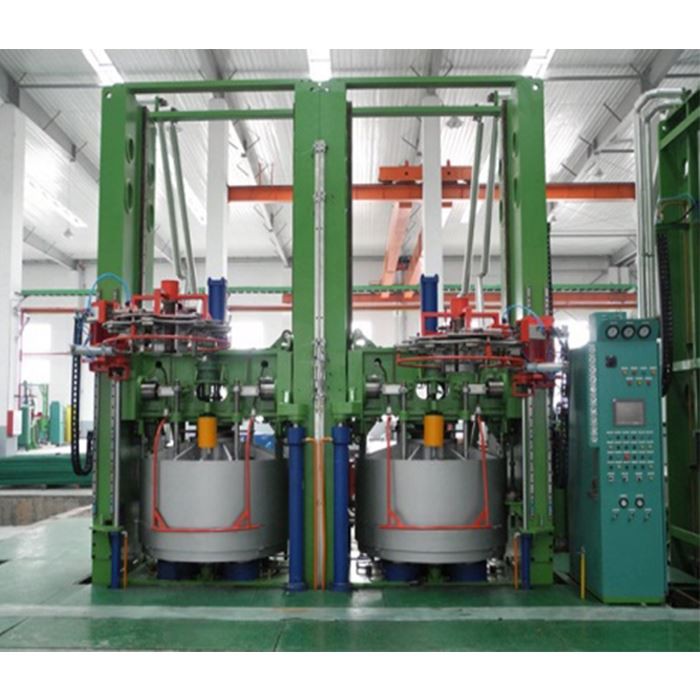
Our Tyre Curing Machines are designed with built - in ventilation systems. These systems remove the gases and fumes from the curing chamber, keeping the working environment safe and ensuring that the tyres cure properly. The ventilation system also helps to maintain a consistent temperature and humidity level inside the curing chamber, which is important for the quality of the cured tyres.
Monitoring and Quality Control
To ensure that the retreaded tyres meet the highest quality standards, it's important to monitor the curing process closely. Our Tyre Curing Machines are equipped with advanced monitoring systems that can track temperature, pressure, and curing time in real - time.
These monitoring systems provide detailed data that can be used for quality control purposes. If there are any deviations from the set parameters, the machine can alert the operator immediately. This allows for quick adjustments to be made, ensuring that the tyres are cured correctly.
Conclusion
In conclusion, curing retreaded tyres using a Tyre Curing Machine requires careful attention to several special requirements. Temperature, pressure, curing time, mould quality, ventilation, and monitoring are all crucial factors that need to be considered.
As a supplier of Tyre Curing Machines, we are committed to providing high - quality machines that meet all these requirements. Our machines are designed to be reliable, efficient, and easy to use. Whether you're a small - scale retreader or a large - scale tyre manufacturing company, we have the right solution for you.
If you're interested in learning more about our Tyre Curing Machines or have any questions about the retreaded tyre curing process, don't hesitate to get in touch. We'd be more than happy to assist you with your procurement needs and have a detailed discussion about how our machines can benefit your business.
References
- ASTM International. (Year). Standard Test Methods for Rubber Property - Tensile. ASTM D412.
- Rubber Manufacturers Association. (Year). Guidelines for Retreaded Tyre Manufacturing.