
Hey there! As a supplier of banbury mixers, I often get asked about the spare parts of these machines. So, I thought I'd put together this blog post to give you a rundown of what makes up a banbury mixer and what spare parts you might need to keep it running smoothly.
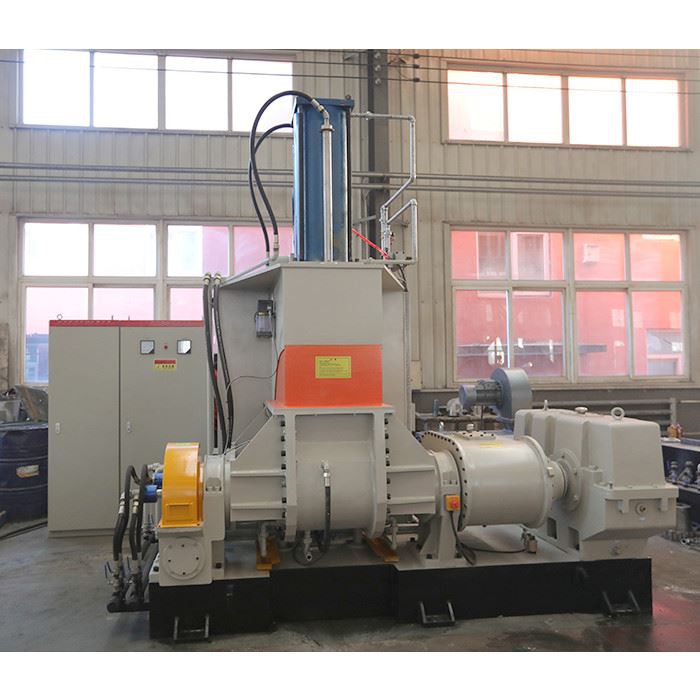
First off, let's talk about what a banbury mixer is. It's a type of internal mixer used primarily in the rubber and plastics industries. It's great for blending raw materials, like rubber compounds, with additives, fillers, and other ingredients. The mixer works by using two counter-rotating rotors in a closed chamber to knead and mix the materials.
Now, onto the spare parts. There are quite a few components that make up a banbury mixer, and each one plays a crucial role in its operation.
Rotors
The rotors are the heart of the banbury mixer. They're the ones doing the heavy lifting, so to speak, when it comes to mixing the materials. There are different types of rotors, like tangential and intermeshing rotors. Tangential rotors have a gap between them, while intermeshing rotors overlap. Depending on the application and the type of materials you're mixing, you might need to choose the right type of rotors. Over time, the rotors can wear down due to the constant friction and pressure from mixing. When this happens, you'll need to replace them. A worn-out rotor can lead to poor mixing quality and reduced efficiency.
Seals
Seals are another important part of the banbury mixer. They're used to prevent the leakage of materials from the mixing chamber. There are different types of seals, such as radial shaft seals and lip seals. These seals need to be in good condition to ensure that the mixer operates properly. If the seals are damaged or worn, materials can leak out, which not only wastes your product but can also create a mess in the workplace. Regularly checking and replacing the seals is essential to avoid these issues.
Liners
The liners line the inside of the mixing chamber. They protect the chamber from wear and tear caused by the abrasive materials being mixed. Liners are usually made of materials like hardened steel or ceramic. Over time, the liners can get scratched or worn, and when this happens, they need to be replaced. A damaged liner can affect the mixing process and even cause contamination of the materials.
Hydraulic Cylinders
Many banbury mixers use hydraulic cylinders to control the movement of the ram, which applies pressure to the materials in the mixing chamber. These cylinders need to be in good working order to ensure proper pressure is applied during the mixing process. If the hydraulic cylinders start to leak or malfunction, it can lead to inconsistent mixing results. You'll need to replace any worn-out seals or damaged parts in the hydraulic cylinders to keep them working properly.
Drive System Components
The drive system of a banbury mixer includes components like motors, belts, and gears. The motor provides the power to drive the rotors, and the belts and gears transfer that power. Over time, the belts can stretch or wear out, and the gears can become damaged. Regular maintenance and replacement of these components are necessary to keep the drive system running smoothly. A faulty drive system can cause the mixer to stop working or operate inefficiently.
Cooling System Parts
Banbury mixers generate a lot of heat during the mixing process. To prevent overheating, they have a cooling system. This system includes components like cooling jackets, pumps, and pipes. The cooling jackets surround the mixing chamber and help dissipate the heat. The pumps circulate the coolant through the system, and the pipes carry the coolant to and from the various components. If any of these parts malfunction, the mixer can overheat, which can damage the materials being mixed and the machine itself. So, it's important to regularly check and maintain the cooling system.

Electrical Components
Modern banbury mixers are equipped with a variety of electrical components, such as sensors, controllers, and switches. These components are used to monitor and control the operation of the mixer. For example, sensors can detect the temperature, pressure, and level of materials in the mixing chamber. If any of these electrical components fail, it can lead to incorrect operation of the mixer. Regular inspection and replacement of faulty electrical components are crucial to ensure the safe and efficient operation of the banbury mixer.
Now, if you're in the market for a banbury mixer or need spare parts for your existing one, you might also be interested in some related equipment. Check out our Kneader Machine For Rubber Mixing, Two Roll Rubber Mill, and Rubber Open Mill. These machines are also essential in the rubber and plastics industries and can complement your banbury mixer.
If you have any questions about banbury mixers or need to purchase spare parts, don't hesitate to reach out. We're here to help you keep your equipment running at its best. Whether you're a small business or a large industrial operation, we can provide you with the right solutions for your mixing needs.
In conclusion, understanding the spare parts of a banbury mixer is crucial for its proper maintenance and operation. By regularly checking and replacing worn-out parts, you can ensure that your mixer operates efficiently, produces high-quality products, and has a long service life. So, if you're in the rubber or plastics industry and need a banbury mixer or its spare parts, get in touch with us today. We'll work with you to find the best solutions for your business.
References
- Various industry manuals and guides on banbury mixers.
- Technical documentation from banbury mixer manufacturers.