
As a supplier of Banbury mixers, I've witnessed firsthand the critical role these machines play in various industries, especially in rubber and plastic processing. Banbury mixers are renowned for their efficiency in blending, kneading, and homogenizing materials. However, like any complex machinery, they are not without their share of common problems. In this blog post, I'll delve into some of the most prevalent issues that users encounter with Banbury mixers and offer insights on how to address them.
1. Overheating
One of the most common problems with Banbury mixers is overheating. This can occur due to several reasons, including excessive friction during the mixing process, inadequate cooling systems, or prolonged operation at high speeds. Overheating can have detrimental effects on the quality of the mixed materials and the lifespan of the mixer itself.
When the mixer overheats, the rubber or plastic materials being processed can undergo thermal degradation, leading to changes in their physical and chemical properties. This can result in reduced product quality, such as poor mechanical strength, inconsistent color, and decreased resistance to wear and tear. Moreover, overheating can cause damage to the mixer's components, such as the rotors, seals, and bearings, leading to costly repairs and downtime.
To prevent overheating, it's essential to ensure that the mixer is properly maintained and operated within its recommended parameters. This includes regularly checking the cooling system to ensure that it is functioning effectively, monitoring the temperature during the mixing process, and adjusting the speed and load as needed. Additionally, using high-quality lubricants can help reduce friction and heat generation, prolonging the life of the mixer's components.
2. Wear and Tear of Components
Another common issue with Banbury mixers is the wear and tear of components. The high-speed rotation and intense mixing action of the rotors can cause significant stress on the mixer's parts, leading to gradual deterioration over time. Components such as the rotors, stator liners, and seals are particularly susceptible to wear and need to be replaced periodically to maintain optimal performance.
Worn-out components can have a significant impact on the mixer's efficiency and the quality of the mixed materials. For example, damaged rotors may not be able to mix the materials evenly, resulting in inconsistent product quality. Similarly, worn seals can lead to leaks, which can not only cause material loss but also pose a safety hazard.
To minimize wear and tear, it's important to use high-quality components that are designed to withstand the rigors of the mixing process. Regular inspection and maintenance of the mixer can also help identify any signs of wear early on, allowing for timely replacement of the affected parts. Additionally, following the manufacturer's recommended operating procedures and maintenance schedule can help extend the lifespan of the mixer's components.
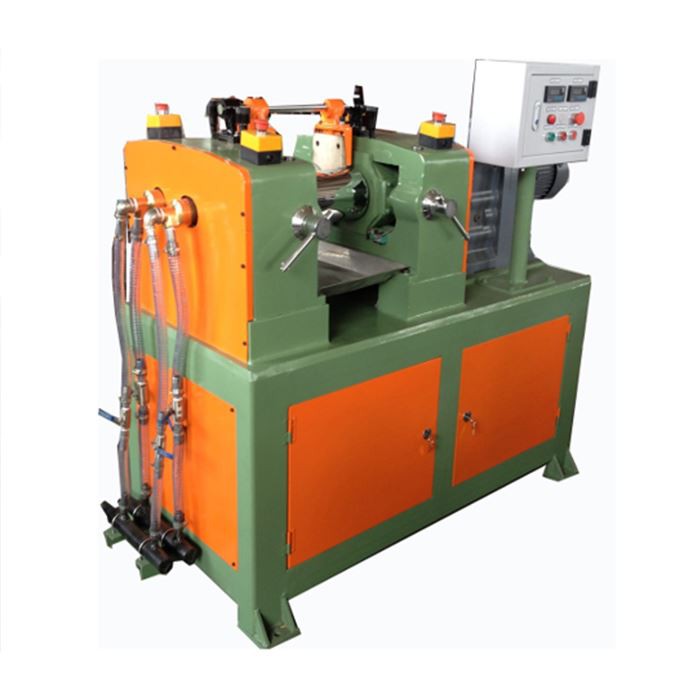

3. Material Build-Up
Material build-up is another problem that can occur in Banbury mixers. During the mixing process, some of the materials being processed may adhere to the walls of the mixing chamber, rotors, and other components, forming a layer of residue. Over time, this build-up can accumulate and interfere with the mixer's performance, leading to reduced efficiency and product quality.
Material build-up can also cause blockages in the mixer's discharge system, preventing the smooth flow of the mixed materials. This can result in longer mixing times, increased energy consumption, and even damage to the mixer's components.
To prevent material build-up, it's important to clean the mixer regularly, especially after each batch of materials is processed. This can be done using appropriate cleaning agents and tools to remove any residue from the mixing chamber, rotors, and other components. Additionally, using anti-stick coatings on the mixer's surfaces can help reduce the adhesion of materials, making it easier to clean the mixer.
4. Noise and Vibration
Excessive noise and vibration are common problems with Banbury mixers, especially when they are not properly installed or maintained. Noise and vibration can not only be a nuisance to the operators but also indicate potential issues with the mixer's components or alignment.
High levels of noise can be a sign of loose or worn-out parts, such as bearings, belts, or gears. Vibration, on the other hand, can be caused by uneven loading of the mixer, misalignment of the rotors, or imbalanced components. Both noise and vibration can lead to premature wear and tear of the mixer's parts, as well as affect the quality of the mixed materials.
To reduce noise and vibration, it's important to ensure that the mixer is installed on a stable and level surface. Regular inspection and maintenance of the mixer can also help identify and correct any issues with the components or alignment. Additionally, using vibration-dampening materials and anti-vibration mounts can help reduce the transmission of noise and vibration to the surrounding environment.
5. Electrical and Control System Issues
Electrical and control system issues can also pose challenges for Banbury mixers. Faulty electrical components, such as motors, sensors, or controllers, can cause the mixer to malfunction or stop working altogether. Additionally, problems with the control system can lead to inaccurate mixing parameters, such as incorrect temperature, speed, or pressure settings, resulting in poor product quality.
To prevent electrical and control system issues, it's important to have the mixer's electrical system regularly inspected and maintained by a qualified technician. This includes checking the wiring, connections, and components for any signs of damage or wear, as well as testing the control system to ensure that it is functioning properly. Additionally, providing proper training to the operators on how to use and maintain the mixer's control system can help prevent operator errors and ensure optimal performance.
Solutions and Recommendations
While these common problems can be challenging, there are several solutions and recommendations that can help users overcome them and ensure the reliable operation of their Banbury mixers.
- Regular Maintenance: Implementing a comprehensive maintenance program is essential for preventing and addressing many of the issues discussed above. This includes regular inspections, cleaning, lubrication, and replacement of worn-out components. By following the manufacturer's recommended maintenance schedule, users can minimize downtime and extend the lifespan of their mixers.
- Operator Training: Providing proper training to the operators is crucial for ensuring the safe and efficient operation of the Banbury mixers. Operators should be familiar with the mixer's operating procedures, safety features, and maintenance requirements. Additionally, training on how to identify and troubleshoot common problems can help operators take timely action to prevent further damage to the mixer.
- Quality Components: Using high-quality components is essential for ensuring the performance and reliability of the Banbury mixers. When replacing parts, it's important to use genuine parts that are specifically designed for the mixer model. This can help ensure compatibility and prevent issues such as premature wear and tear.
- Upgrades and Retrofits: In some cases, upgrading or retrofitting the Banbury mixer can help improve its performance and address specific problems. For example, installing a new cooling system or upgrading the control system can help prevent overheating and improve the accuracy of the mixing parameters.
In conclusion, while Banbury mixers are powerful and versatile machines, they are not immune to common problems. By being aware of these issues and taking proactive measures to prevent and address them, users can ensure the reliable operation of their mixers and produce high-quality products. If you're in the market for a Banbury mixer or need assistance with the maintenance or repair of your existing mixer, please don't hesitate to contact us. We're a leading supplier of Banbury mixers and related equipment, and we're committed to providing our customers with the best products and services. For more information on our other rubber mixing equipment, you can visit our website to learn about our Two Roll Rubber Mill, Lab Open Mill, and Rubber Open Mill.
References
- "Banbury Mixer Handbook," Manufacturer's Manual
- "Rubber Processing Technology," Industry Publication
- "Maintenance and Troubleshooting Guide for Mixing Equipment," Technical Resource