
Hey there! As a supplier of 2 roll mills, I've seen firsthand the importance of production efficiency in the rubber and plastic industries. A 2 roll mill is a workhorse in these sectors, used for mixing, blending, and calendering various materials. In this blog, I'll share some practical tips on how to improve the production efficiency of a 2 roll mill.
1. Regular Maintenance
First things first, regular maintenance is crucial. Just like a car needs an oil change and tune - up, a 2 roll mill needs proper care. Make sure to clean the rolls regularly. Residue buildup on the rolls can affect the quality of the mix and slow down the production process. Use appropriate cleaning agents that won't damage the roll surface.

Check the bearings and lubrication systems frequently. Worn - out bearings can cause the rolls to run unevenly, leading to inconsistent product quality and increased energy consumption. Keep the lubrication levels in check, as proper lubrication reduces friction and extends the lifespan of the moving parts.
Inspect the belts and chains. Loose or damaged belts and chains can slip, causing the mill to operate inefficiently. Replace any worn - out components promptly. By doing all these maintenance tasks, you can prevent unexpected breakdowns and keep your 2 roll mill running smoothly.
2. Optimize Roll Temperature
The temperature of the rolls plays a huge role in the production efficiency of a 2 roll mill. Different materials require different roll temperatures for optimal mixing. For example, some rubber compounds need a higher temperature to achieve the right consistency.
Invest in a good temperature control system. This allows you to precisely adjust and maintain the roll temperature. If the temperature is too low, the material may not mix properly, and you'll have to run the mill for longer periods to get the desired results. On the other hand, if the temperature is too high, it can cause the material to degrade.
Regularly monitor the roll temperature during operation. You can use infrared thermometers or built - in temperature sensors. By keeping the roll temperature within the ideal range for your specific material, you can speed up the mixing process and improve the quality of the final product.
3. Proper Material Feeding
How you feed the material into the 2 roll mill can significantly impact its efficiency. First, make sure the material is properly prepared. If it's in large chunks, pre - process it into smaller pieces. This makes it easier for the mill to handle and mix the material.
Use a consistent feeding rate. Don't overload the mill all at once, as this can cause the rolls to jam and slow down the production. Instead, feed the material steadily and evenly. You can use automated feeding systems for more precise control.
Also, consider the type of material. Some materials may require a different feeding approach. For instance, sticky materials may need to be fed more slowly to prevent them from sticking to the rolls. By paying attention to the material feeding process, you can ensure that the mill operates at its best.
4. Upgrade to Advanced Controls
If your 2 roll mill has outdated controls, it might be time for an upgrade. Modern control systems offer a lot of advantages. They allow you to program the mill to perform specific tasks automatically. For example, you can set the speed, temperature, and mixing time in advance.
Advanced controls also provide real - time monitoring of the mill's performance. You can see data such as power consumption, roll speed, and temperature on a display. This helps you identify any issues early and make adjustments quickly.
Some control systems even have remote access capabilities. This means you can monitor and control the mill from anywhere, which is especially useful if you have multiple mills or if you're not always on - site. By upgrading to advanced controls, you can streamline the operation of your 2 roll mill and improve its overall efficiency.
5. Combine with Complementary Equipment
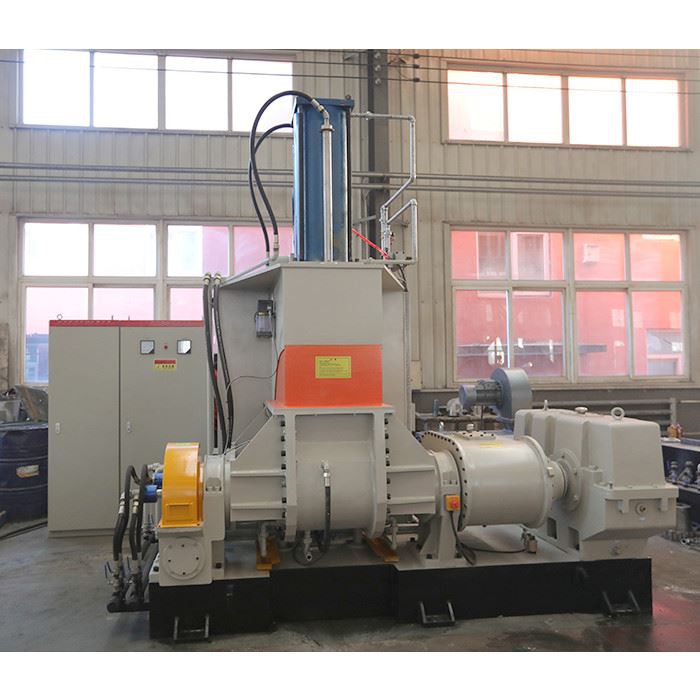
To further boost the production efficiency of your 2 roll mill, consider combining it with complementary equipment. For example, a Banbury Mixer can be used for pre - mixing the materials before they go into the 2 roll mill. A Banbury mixer can handle large volumes of material and achieve a high - intensity mix in a relatively short time.
A Kneader Machine For Rubber Mixing is another great option. It can be used to knead the material and break down any agglomerates, making it easier for the 2 roll mill to process.
After the mixing process, a Batch Off can be used to cool and cut the mixed material into manageable sizes. By integrating these complementary machines into your production line, you can create a more efficient and seamless workflow.
6. Employee Training
Your employees are the ones operating the 2 roll mill on a daily basis, so their skills and knowledge are crucial. Provide comprehensive training to your operators. Teach them how to properly set up the mill, adjust the parameters, and perform basic maintenance tasks.
Encourage them to share their experiences and ideas. They may have practical insights on how to improve the production process based on their day - to - day work. By investing in employee training, you can ensure that your 2 roll mill is being used to its full potential.
7. Data Analysis
Collecting and analyzing data from your 2 roll mill can provide valuable insights. You can track metrics such as production output, energy consumption, and downtime. By analyzing this data, you can identify trends and patterns.
For example, if you notice that energy consumption is increasing over time, it could be a sign that the mill needs maintenance or that the operating parameters need to be adjusted. If there are frequent breakdowns at a certain time of day, you can investigate the cause and take preventive measures.
Use data analysis tools to make informed decisions. This can help you optimize the operation of the 2 roll mill and improve its efficiency in the long run.
Conclusion
Improving the production efficiency of a 2 roll mill requires a combination of regular maintenance, proper operation, and the use of advanced technologies. By following the tips I've shared in this blog, you can increase the output, improve the quality of the final product, and reduce costs.
If you're interested in learning more about our 2 roll mills or other rubber and plastic processing equipment, don't hesitate to get in touch. We're always here to help you optimize your production process and achieve better results. Whether you're a small - scale manufacturer or a large industrial operation, we have the solutions to meet your needs. Contact us today to start a conversation about how we can work together to improve your production efficiency.
References
- "Rubber Processing Technology" by Maurice Morton
- "Plastics Processing Machinery" by Christopher Rauwendaal