

Can a rubber mixer be used for mixing other materials besides rubber?
As a supplier of rubber mixers, I often get asked this question by customers who are looking to diversify their production capabilities or explore new applications for their mixing equipment. The short answer is yes, a rubber mixer can be used for mixing other materials besides rubber, but there are several factors to consider before making the switch.
Understanding the Basics of a Rubber Mixer
Before delving into the possibility of using a rubber mixer for other materials, it's important to understand how a rubber mixer works. A rubber mixer is a machine designed to blend rubber compounds with various additives such as fillers, plasticizers, and curing agents. The mixing process typically involves two counter - rotating rolls or a set of rotors that shear and knead the rubber and additives together to achieve a homogeneous mixture.
The most common types of rubber mixers include the Rubber Open Mill, which consists of two horizontally placed rolls, and the internal mixer, which uses a set of rotors enclosed in a chamber. These machines are designed to handle the high - viscosity nature of rubber compounds and provide sufficient shear force to break down agglomerates and disperse additives evenly.
Materials That Can Be Mixed with a Rubber Mixer
- Plastics: Many thermoplastics and thermosetting plastics can be mixed using a rubber mixer. For example, polyethylene, polypropylene, and polyvinyl chloride (PVC) can be processed on a rubber open mill or an internal mixer. The mixing process for plastics is similar to that of rubber, involving the addition of additives such as stabilizers, colorants, and fillers. However, the processing temperature and shear requirements may differ depending on the type of plastic. For instance, thermoplastics generally require higher processing temperatures to melt and flow, while thermosetting plastics need to be cured under specific conditions after mixing.
- Adhesives and Sealants: Rubber mixers can also be used to mix adhesives and sealants. These materials often contain polymers, solvents, fillers, and other additives that need to be thoroughly blended to achieve the desired properties. The high - shear mixing action of a rubber mixer can help in dispersing fillers and ensuring a uniform distribution of components, which is crucial for the performance of adhesives and sealants.
- Food and Pharmaceutical Products: In some cases, rubber mixers can be adapted for use in the food and pharmaceutical industries. For example, certain types of chewing gums and confectionery products can be mixed using a modified rubber mixer. However, strict hygiene and safety standards must be followed when using the equipment for food or pharmaceutical applications. The mixer needs to be made of food - grade materials and thoroughly cleaned between batches to prevent cross - contamination.
- Ceramics and Composites: Ceramic powders and composite materials can be mixed using a rubber mixer to improve their homogeneity. The addition of binders and other additives to ceramic powders can be achieved through the mixing process, which helps in forming a more uniform mixture for subsequent processing steps such as molding or sintering.
Challenges and Considerations
- Material Compatibility: One of the main challenges when using a rubber mixer for other materials is material compatibility. Different materials have different chemical and physical properties, and they may react with the materials of the mixer components. For example, some corrosive chemicals or abrasive materials can damage the rolls or rotors of the mixer. It's important to ensure that the mixer is made of materials that are resistant to the chemicals and abrasion associated with the new material.
- Cleaning and Contamination: Switching between different materials requires thorough cleaning of the mixer to prevent contamination. Residues from previous batches can affect the quality of the new material being mixed. Cleaning procedures may involve disassembly of the mixer, washing with appropriate solvents, and inspection to ensure that no foreign particles remain.
- Process Optimization: Each material has its own optimal mixing conditions, including temperature, speed, and mixing time. When using a rubber mixer for a new material, these parameters need to be carefully adjusted to achieve the best results. For example, some materials may require a slower mixing speed to prevent over - heating or degradation, while others may need a higher temperature to ensure proper dispersion.
- Equipment Modifications: In some cases, the rubber mixer may need to be modified to accommodate the new material. This could involve changing the design of the mixing elements, adding heating or cooling systems, or adjusting the feeding mechanism. These modifications should be carried out by experienced technicians to ensure the safe and efficient operation of the equipment.
Benefits of Using a Rubber Mixer for Multiple Materials
- Cost - Effectiveness: Investing in a single mixer that can handle multiple materials can be more cost - effective than purchasing separate mixers for each material. It reduces the capital expenditure and also saves on floor space in the production facility.
- Flexibility: A rubber mixer that can be used for different materials provides greater flexibility in production. Manufacturers can easily switch between different products based on market demand, allowing for more efficient use of resources.
- Improved Product Quality: The high - shear mixing action of a rubber mixer can often result in better dispersion of additives and a more homogeneous mixture, which can improve the quality of the final product, regardless of the material being mixed.
The Role of Our Rubber Mixers in Diverse Applications
As a supplier of rubber mixers, we understand the importance of providing versatile equipment that can meet the needs of different industries. Our Rubber Mixing Line and Open Mill are designed with advanced features that allow for easy adjustment of mixing parameters and can be customized to suit the specific requirements of different materials.

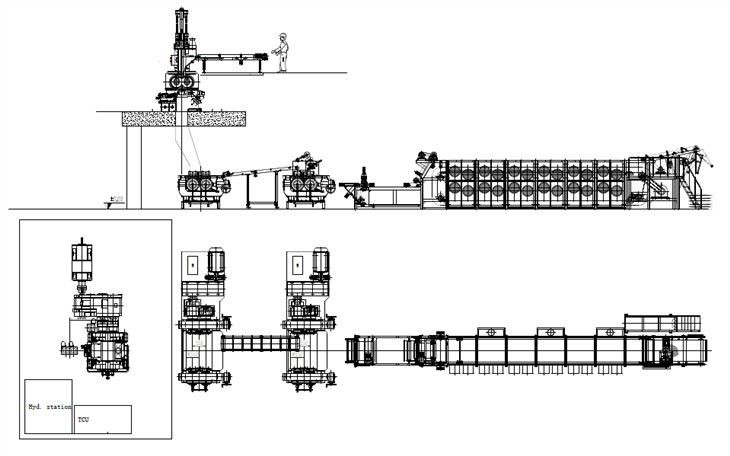
We offer technical support to our customers, helping them to optimize the use of our mixers for various materials. Our team of experts can provide guidance on material compatibility, cleaning procedures, and process optimization to ensure that our customers achieve the best results when using the equipment for different applications.
Conclusion
In conclusion, a rubber mixer can indeed be used for mixing other materials besides rubber. With careful consideration of material compatibility, cleaning requirements, and process optimization, the equipment can be adapted to handle a wide range of materials, including plastics, adhesives, food products, and ceramics. The benefits of using a rubber mixer for multiple materials, such as cost - effectiveness and flexibility, make it an attractive option for manufacturers looking to expand their production capabilities.
If you are interested in exploring the use of our rubber mixers for your specific application or have any questions about the equipment, please feel free to contact us for further discussion and potential procurement. Our team is ready to assist you in finding the most suitable solution for your mixing needs.
References
- "Mixing of Polymers" by John A. Manson and Leslie H. Sperling
- "Handbook of Adhesive Technology" edited by A. Pizzi and K. L. Mittal
- "Ceramic Processing and Sintering" by Randall M. German


