
Hey there! As a supplier of 2 roll mills, I've been getting a bunch of questions lately about the transportation requirements for these machines. So, I thought I'd put together this blog post to give you all the deets.
First off, let's talk about the size and weight of a 2 roll mill. These machines can be pretty hefty, and their dimensions can vary depending on the specific model and its capacity. A standard 2 roll mill can weigh anywhere from a few hundred kilograms to several tons. The size is also a crucial factor, as it determines what kind of transportation method will be suitable.
Transportation Modes
Road Transport
Road transport is often the most common way to move a 2 roll mill, especially for local or regional deliveries. Trucks are a popular choice because they offer flexibility in terms of pick - up and drop - off locations. However, there are some things to consider.
The weight and size of the mill need to comply with local road regulations. Oversized or overweight loads may require special permits. You'll need to work with a reliable trucking company that has experience in transporting heavy machinery. They should have the right equipment, like flatbed trucks or low - loaders, to safely carry the 2 roll mill.
When loading the mill onto the truck, proper securing is essential. Straps, chains, and other fastening devices should be used to prevent the mill from shifting during transit. This is to avoid any damage to the machine and ensure the safety of the transport crew.
Rail Transport
Rail transport can be a good option for long - distance deliveries. Trains can handle large and heavy loads more efficiently than trucks in some cases. But there are limitations. Rail networks may not have direct access to your final destination, which means you'll need to arrange for additional road transport for the last leg of the journey.
The mill needs to be loaded onto railcars properly. Specialized railcar types, such as flatcars or well cars, are usually used. Similar to road transport, the mill must be secured to prevent movement during the journey. Rail transport also requires careful scheduling, as trains operate on fixed timetables.
Sea Transport
If you're exporting or importing a 2 roll mill, sea transport is likely your go - to option. Container shipping is a common method. You can either use a full - container load (FCL) if the mill is large enough to fill a container or a less - than - container load (LCL) if it can be combined with other shipments.
When using sea transport, the mill needs to be properly packed. For FCL, it can be loaded directly into the container. For LCL, it will be placed in a shared container with other goods. The mill should be protected from moisture, saltwater, and physical damage during the long sea journey. Shipping lines have specific requirements for packaging and loading, so it's important to follow their guidelines.

Packaging Requirements
Proper packaging is crucial for the safe transportation of a 2 roll mill. The mill should be cleaned and dried before packaging to prevent rust and corrosion.
For small - to medium - sized 2 roll mills, wooden crates can be a good option. The crate should be sturdy enough to withstand the rigors of transportation. It should also have proper padding inside to protect the mill from impacts.
Larger mills may require custom - made packaging solutions. For example, metal frames can be used to support the mill during transit. All moving parts of the mill should be secured to prevent damage. Electrical components should be covered and protected to avoid any short - circuits or other electrical issues.
Documentation
When transporting a 2 roll mill, there's a ton of paperwork involved. For domestic transport, you'll need bills of lading, which detail the goods being transported, their weight, and the origin and destination.
If you're involved in international transport, things get a bit more complicated. You'll need commercial invoices, packing lists, certificates of origin, and sometimes special permits depending on the nature of the mill and the destination country. For example, if the mill contains certain hazardous materials (like some lubricants), additional documentation will be required.
Insurance
Insurance is a must - have when transporting a 2 roll mill. The mill is a valuable piece of equipment, and anything can happen during transit. Whether it's a road accident, a train derailment, or a shipping mishap at sea, insurance will protect you from financial losses.
You should work with an insurance provider that specializes in heavy machinery transport. They can offer you the right coverage based on the value of the mill and the mode of transportation. Make sure you understand the terms and conditions of the insurance policy, including what is covered and what is excluded.
Other Considerations
- Accessibility: The destination location needs to be accessible for the chosen mode of transport. For example, if using a truck, there should be enough space for the truck to maneuver and unload the mill.
- Weather Conditions: Extreme weather conditions can affect transportation. Snow, heavy rain, or strong winds can make road transport dangerous and may also damage the mill if not properly protected. It's a good idea to plan the transport during favorable weather conditions.
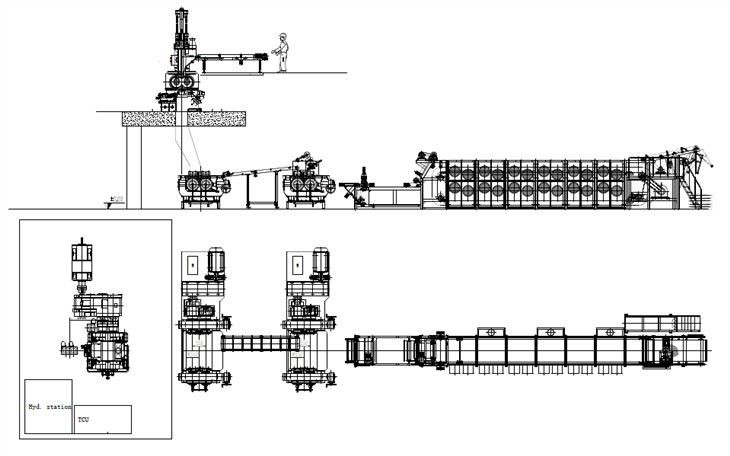
If you're in the market for a 2 roll mill, we've got you covered. We offer high - quality Open Mill that can be customized to meet your specific needs. Our mills are part of comprehensive Rubber Mixing Line, which also includes Rubber Batch Off Unit.
We understand the importance of getting your equipment to you safely and on time. Our team can assist you with all aspects of transportation, from choosing the right mode to handling the necessary documentation. If you're interested in purchasing a 2 roll mill or have any questions about transportation requirements, feel free to reach out. We're here to help you make the best decision for your business.
References
- General knowledge from years of experience in the 2 roll mill supply industry.
- Industry standards and regulations regarding heavy machinery transportation.