
As a seasoned supplier of rubber mixers, I've witnessed firsthand the transformative impact these machines have on the rubber manufacturing industry. The mixing mechanism of a rubber mixer is a fascinating topic that lies at the heart of producing high-quality rubber products. In this blog, we'll delve into the intricacies of how rubber mixers work, exploring the key components and processes involved.
Understanding the Basics of Rubber Mixing
Rubber mixing is the process of combining raw rubber with various additives, such as fillers, plasticizers, accelerators, and curing agents, to achieve the desired properties in the final rubber product. The goal is to disperse these additives uniformly throughout the rubber matrix, ensuring consistent quality and performance.
The mixing mechanism of a rubber mixer plays a crucial role in achieving this goal. It involves a combination of mechanical, thermal, and chemical processes that work together to break down the rubber molecules, incorporate the additives, and create a homogeneous mixture.
Key Components of a Rubber Mixer
Before we dive into the mixing mechanism, let's take a closer look at the key components of a rubber mixer. These components work together to facilitate the mixing process and ensure efficient operation.
Rotors
The rotors are the heart of the rubber mixer. They are typically made of high-strength steel and are designed to rotate in opposite directions within the mixing chamber. The rotors feature a series of specially designed blades or pins that create a shearing action as they rotate. This shearing action helps to break down the rubber molecules and disperse the additives throughout the rubber matrix.
Mixing Chamber
The mixing chamber is the enclosure where the rubber and additives are combined. It is typically made of heavy-duty steel and is designed to withstand the high pressures and temperatures generated during the mixing process. The mixing chamber is also equipped with a cooling system to prevent overheating and ensure optimal mixing conditions.
Feeding System
The feeding system is responsible for introducing the raw rubber and additives into the mixing chamber. It typically consists of a hopper, a conveyor belt, and a feeding screw. The feeding system ensures a consistent and controlled flow of materials into the mixing chamber, allowing for precise control over the mixing process.
Discharge System
The discharge system is used to remove the mixed rubber from the mixing chamber once the mixing process is complete. It typically consists of a discharge door or valve and a conveyor belt. The discharge system ensures a smooth and efficient transfer of the mixed rubber to the next stage of the manufacturing process.
The Mixing Process
Now that we understand the key components of a rubber mixer, let's take a closer look at the mixing process itself. The mixing process can be divided into several stages, each of which plays a crucial role in achieving a homogeneous mixture.
Loading
The first stage of the mixing process is loading. This involves introducing the raw rubber and additives into the mixing chamber using the feeding system. The amount and type of materials used will depend on the specific requirements of the rubber product being manufactured.
Mastication
Once the materials are loaded into the mixing chamber, the rotors begin to rotate, creating a shearing action that breaks down the rubber molecules. This process is known as mastication. Mastication helps to reduce the viscosity of the rubber and improve its processability. It also helps to disperse the additives more evenly throughout the rubber matrix.
Incorporation
After mastication, the next stage of the mixing process is incorporation. This involves adding the remaining additives to the rubber and continuing to mix them together. The rotors continue to rotate, creating a shearing action that helps to incorporate the additives into the rubber matrix. This process may take several minutes to complete, depending on the type and amount of additives being used.
Homogenization
Once the additives have been incorporated into the rubber matrix, the next stage of the mixing process is homogenization. This involves continuing to mix the rubber and additives until they are uniformly distributed throughout the rubber matrix. The rotors continue to rotate, creating a shearing action that helps to break down any remaining agglomerates and ensure a homogeneous mixture. This process may take several more minutes to complete, depending on the complexity of the rubber formulation.
Discharge
Once the homogenization process is complete, the mixed rubber is ready to be discharged from the mixing chamber. The discharge system is used to open the discharge door or valve and transfer the mixed rubber to the next stage of the manufacturing process.
Types of Rubber Mixers
There are several types of rubber mixers available on the market, each with its own unique mixing mechanism and advantages. Some of the most common types of rubber mixers include:
Banbury Machine Rubber Mixer
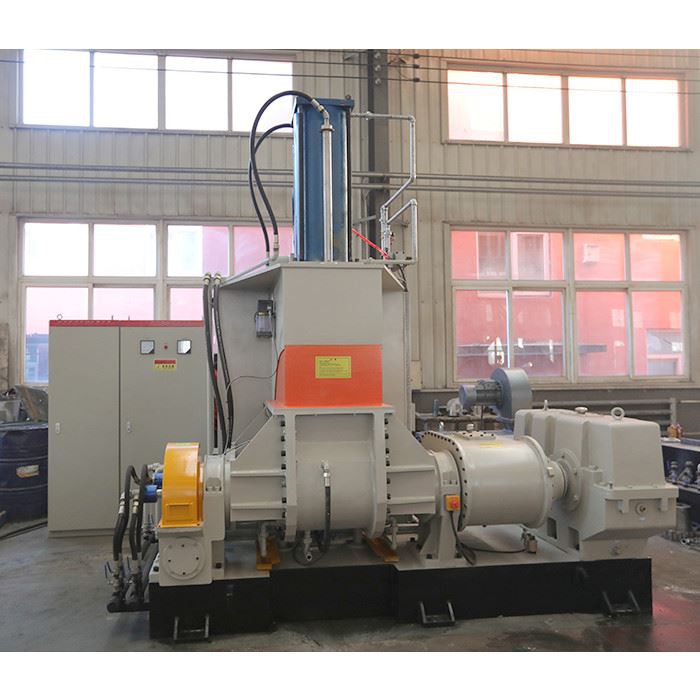
The Banbury machine is a type of internal mixer that is widely used in the rubber manufacturing industry. It features a pair of counter-rotating rotors that are housed in a closed mixing chamber. The Banbury machine is known for its high mixing efficiency and ability to handle large volumes of rubber.
Rubber Kneader Mixer
The rubber kneader mixer is a type of mixer that is designed to knead the rubber and additives together. It features a pair of Z-shaped blades that rotate in opposite directions within the mixing chamber. The rubber kneader mixer is known for its gentle mixing action and ability to produce high-quality rubber products.
Kneader Machine For Rubber Mixing
The kneader machine for rubber mixing is a type of mixer that is similar to the rubber kneader mixer. It features a pair of sigma-shaped blades that rotate in opposite directions within the mixing chamber. The kneader machine for rubber mixing is known for its high mixing efficiency and ability to handle a wide range of rubber formulations.

Factors Affecting the Mixing Mechanism
Several factors can affect the mixing mechanism of a rubber mixer and the quality of the final rubber product. Some of the most important factors include:
Rotor Speed
The rotor speed is one of the most important factors affecting the mixing mechanism of a rubber mixer. A higher rotor speed will create a more intense shearing action, which can help to break down the rubber molecules and disperse the additives more evenly. However, a higher rotor speed can also generate more heat, which can cause the rubber to overheat and degrade. Therefore, it is important to choose the appropriate rotor speed based on the specific requirements of the rubber product being manufactured.
Mixing Time
The mixing time is another important factor affecting the mixing mechanism of a rubber mixer. A longer mixing time will allow for more thorough mixing and better dispersion of the additives. However, a longer mixing time can also increase the risk of overheating and degradation of the rubber. Therefore, it is important to choose the appropriate mixing time based on the specific requirements of the rubber product being manufactured.
Temperature
The temperature is another important factor affecting the mixing mechanism of a rubber mixer. A higher temperature can help to reduce the viscosity of the rubber and improve its processability. However, a higher temperature can also cause the rubber to overheat and degrade. Therefore, it is important to control the temperature during the mixing process to ensure optimal mixing conditions.
Additive Type and Amount
The type and amount of additives used in the rubber formulation can also affect the mixing mechanism of a rubber mixer. Some additives, such as fillers and plasticizers, can increase the viscosity of the rubber and make it more difficult to mix. Other additives, such as accelerators and curing agents, can react with the rubber and cause it to crosslink. Therefore, it is important to choose the appropriate additives and use them in the correct amounts to ensure optimal mixing and performance of the final rubber product.
Conclusion
In conclusion, the mixing mechanism of a rubber mixer is a complex and fascinating process that plays a crucial role in the production of high-quality rubber products. By understanding the key components and processes involved in the mixing process, as well as the factors that can affect the mixing mechanism, manufacturers can optimize their rubber mixing operations and produce rubber products with consistent quality and performance.
As a leading supplier of rubber mixers, we are committed to providing our customers with the highest quality equipment and technical support. If you are interested in learning more about our rubber mixers or would like to discuss your specific requirements, please do not hesitate to contact us. We look forward to working with you to help you achieve your rubber manufacturing goals.
References
- Gumede, N., & Luyt, A. S. (2018). A review of rubber mixing and the influence of process variables on the properties of rubber compounds. Polymer Testing, 67, 224-238.
- Isayev, A. I. (2014). Rubber mixing and compounding. In Rubber Technology (pp. 133-170). Hanser Publishers.
- Tadmor, Z., & Gogos, C. G. (2006). Principles of polymer processing. John Wiley & Sons.