
As a supplier of rubber mixing machines, one of the most frequently asked questions we encounter is about the maximum mixing pressure of these machines. Understanding this parameter is crucial for ensuring optimal performance and product quality in rubber manufacturing processes. In this blog post, I'll delve into the concept of maximum mixing pressure, its significance, and how it varies across different types of rubber mixing machines.
What is Mixing Pressure in Rubber Mixing Machines?
Mixing pressure refers to the force exerted on the rubber compound during the mixing process. It plays a vital role in achieving proper dispersion of additives, such as fillers, plasticizers, and curing agents, within the rubber matrix. The right amount of pressure ensures that these components are uniformly distributed, which in turn affects the physical and mechanical properties of the final rubber product.
The maximum mixing pressure is the highest level of pressure that a rubber mixing machine can generate and maintain during operation. This value is determined by several factors, including the design of the machine, the size and type of the mixing chamber, and the power of the drive system.
Importance of Maximum Mixing Pressure
The maximum mixing pressure directly impacts the quality and efficiency of the rubber mixing process. Here are some key reasons why it matters:
1. Dispersion of Additives
A higher mixing pressure can break down agglomerates of fillers and other additives more effectively, leading to better dispersion within the rubber. This results in improved mechanical properties, such as tensile strength, hardness, and abrasion resistance, of the final rubber product.
2. Homogeneity of the Rubber Compound
Proper mixing pressure ensures that all components of the rubber compound are thoroughly blended, creating a homogeneous mixture. This is essential for achieving consistent product quality across batches.
3. Processing Efficiency
Optimal mixing pressure can reduce the mixing time required to achieve the desired level of dispersion and homogeneity. This translates to higher production rates and lower energy consumption.
Factors Affecting Maximum Mixing Pressure
Several factors influence the maximum mixing pressure that a rubber mixing machine can achieve:
1. Machine Design
The design of the mixing chamber and the rotors significantly affects the pressure generation. For example, intermeshing rotors can generate higher pressures compared to tangential rotors due to their more aggressive mixing action.
2. Power of the Drive System
The power of the motor and the transmission system determines the force that can be applied to the rubber compound. A more powerful drive system can typically generate higher mixing pressures.
3. Size of the Mixing Chamber
Larger mixing chambers generally require more power to generate high pressures. However, they can also accommodate larger batches of rubber, which may be beneficial for high-volume production.
4. Type of Rubber and Additives
The viscosity and elasticity of the rubber, as well as the type and amount of additives, can affect the resistance to mixing and, consequently, the required mixing pressure.
Different Types of Rubber Mixing Machines and Their Maximum Mixing Pressures
There are several types of rubber mixing machines available in the market, each with its own characteristics and maximum mixing pressures. Here are some common types:

1. Internal Mixers
Internal mixers, also known as Banbury mixers, are widely used in the rubber industry for batch mixing. They typically have a high maximum mixing pressure, ranging from 5 to 20 MPa, depending on the size and design of the machine. The high pressure in internal mixers allows for efficient dispersion of additives and thorough mixing of the rubber compound.
2. Open Mill Mixers
Open mill mixers consist of two rotating cylinders that roll the rubber compound between them. They generally have a lower maximum mixing pressure compared to internal mixers, typically in the range of 1 to 5 MPa. However, open mill mixers are still useful for tasks such as sheeting out the rubber compound and finalizing the mixing process.
3. Cable Compound Kneader
Cable compound kneaders are specialized machines designed for mixing rubber compounds for cable applications. They are capable of generating moderate to high mixing pressures, depending on the specific model and requirements. The maximum mixing pressure of a cable compound kneader can range from 3 to 15 MPa.
4. Batch Off
Batch off machines are used to cool and sheet out the mixed rubber compound. While they do not typically generate high mixing pressures, they play an important role in the overall rubber mixing process.
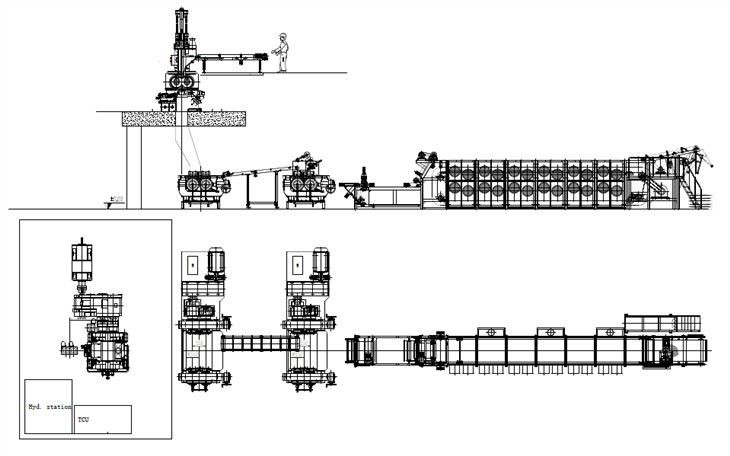
5. Rubber Mixing Line
A rubber mixing line consists of multiple machines working together to automate the rubber mixing process. The maximum mixing pressure of a rubber mixing line depends on the individual machines used in the line, but it can generally achieve high pressures for efficient mixing.
Determining the Appropriate Maximum Mixing Pressure
Selecting the right maximum mixing pressure for a specific rubber mixing application is crucial. Here are some considerations:
1. Rubber Compound Requirements
The type of rubber and the desired properties of the final product will determine the required level of dispersion and homogeneity. This, in turn, will influence the appropriate mixing pressure.
2. Production Volume
High-volume production may require a machine with a higher maximum mixing pressure to ensure efficient processing.
3. Cost and Energy Efficiency
Higher mixing pressures may require more powerful machines, which can increase the initial investment and energy consumption. It's important to balance the performance requirements with the cost and energy efficiency.
Conclusion
The maximum mixing pressure of a rubber mixing machine is a critical parameter that affects the quality, efficiency, and cost of the rubber manufacturing process. By understanding the factors that influence this pressure and selecting the appropriate machine for the specific application, manufacturers can achieve optimal results.
As a leading supplier of rubber mixing machines, we offer a wide range of products with different maximum mixing pressures to meet the diverse needs of our customers. Whether you're looking for a high-pressure internal mixer for large-scale production or a specialized cable compound kneader, we have the solution for you.
If you're interested in learning more about our rubber mixing machines or need assistance in selecting the right equipment for your application, please don't hesitate to contact us. Our team of experts is ready to help you make an informed decision and ensure the success of your rubber manufacturing operations.
References
- "Rubber Technology: Compounding and Vulcanization" by Maurice Morton.
- "Handbook of Elastomers" edited by Brian M. G. Fox.
- Technical literature from leading rubber mixing machine manufacturers.