
Hey there! I'm a supplier of rubber mixing machines, and today I wanna chat about the sources of raw materials for these machines. Rubber mixing machines are super important in the rubber industry, and understanding where the raw materials come from can really help you make better decisions when it comes to your rubber production.
Natural Rubber
One of the primary raw materials for rubber mixing machines is natural rubber. Natural rubber is derived from the latex of rubber trees, mainly the Hevea brasiliensis tree. These trees are mostly grown in tropical regions like Southeast Asia, which accounts for about 90% of the world's natural rubber production. Countries such as Thailand, Indonesia, and Malaysia are major producers.
The process of getting natural rubber starts with tapping the rubber trees. Tappers make a diagonal cut in the bark of the tree, and the latex, which is a milky - white fluid, oozes out and is collected in cups. This latex is then transported to processing plants. At the plants, it goes through several steps including coagulation, where chemicals are added to make the latex solidify. After that, it's washed, dried, and formed into bales, which are then ready to be used in rubber mixing machines.
Natural rubber has some great properties. It has high elasticity, good tensile strength, and excellent resilience. That's why it's widely used in the production of tires, conveyor belts, and many other rubber products. If you're in the market for a machine to mix natural rubber, you might be interested in our Two Roll Mill For Rubber Compound. It's designed to handle natural rubber effectively and can help you get a well - mixed compound.
Synthetic Rubber
Synthetic rubber is another crucial raw material. It's made through chemical synthesis in factories. There are different types of synthetic rubber, each with its own unique properties and applications.
One of the most common types is styrene - butadiene rubber (SBR). SBR is produced by copolymerizing styrene and butadiene. It's often used as a substitute for natural rubber in tire production because it has good abrasion resistance and can be made at a lower cost. The raw materials for SBR, styrene and butadiene, are derived from petroleum. Petroleum is first refined, and through a series of chemical processes, styrene and butadiene are produced.
Another type is nitrile rubber (NBR). It's made by copolymerizing acrylonitrile and butadiene. NBR has excellent oil resistance, so it's widely used in the production of oil seals, gaskets, and hoses. The acrylonitrile and butadiene used in NBR production also come from petroleum - based sources.
When it comes to mixing synthetic rubber, an Internal Mixer can be a great choice. It can provide a high - intensity mixing environment, ensuring that the synthetic rubber and other additives are well - blended.
Fillers and Reinforcements
In addition to rubber, fillers and reinforcements are also important raw materials for rubber mixing machines. These materials are added to improve the properties of the rubber compound.
Carbon black is one of the most widely used fillers. It's made by the incomplete combustion of hydrocarbons. Carbon black can enhance the strength, abrasion resistance, and conductivity of the rubber. It's commonly used in tire production to improve the tire's performance.
Silica is another filler. It can provide good wet grip and low rolling resistance, which are important properties for tires. Silica is produced through a chemical process, usually from sodium silicate.
For reinforcements, fibers such as aramid fibers and glass fibers can be added to the rubber compound. These fibers can significantly improve the strength and stiffness of the rubber products. For example, aramid - reinforced rubber is used in high - performance belts and hoses.
When you're looking to mix rubber with these fillers and reinforcements, our Rubber Mixing Line can offer a comprehensive solution. It can handle the mixing of rubber with various additives efficiently.
Plasticizers and Accelerators
Plasticizers are added to the rubber compound to increase its flexibility and workability. They can reduce the viscosity of the rubber, making it easier to process. One common type of plasticizer is phthalates. However, due to some environmental concerns, there's a growing trend towards using more environmentally friendly plasticizers.
Accelerators are used to speed up the vulcanization process. Vulcanization is a chemical process that cross - links the rubber molecules, making the rubber more durable and heat - resistant. Common accelerators include thiazoles and guanidines.
Where to Source
Now, the big question is where to source these raw materials. For natural rubber, you can work directly with suppliers in producing countries. Many large - scale natural rubber suppliers have a global distribution network, so you can get high - quality natural rubber no matter where you are.
For synthetic rubber, chemical companies that specialize in rubber production are your go - to sources. They can provide different types of synthetic rubber in various grades to meet your specific needs.
When it comes to fillers, reinforcements, plasticizers, and accelerators, there are numerous chemical suppliers in the market. You can choose suppliers based on the quality, price, and delivery time.
Conclusion
So, as you can see, there are various sources of raw materials for rubber mixing machines. Natural rubber from rubber trees, synthetic rubber from chemical synthesis, and a variety of additives like fillers, reinforcements, plasticizers, and accelerators all play important roles in rubber production.
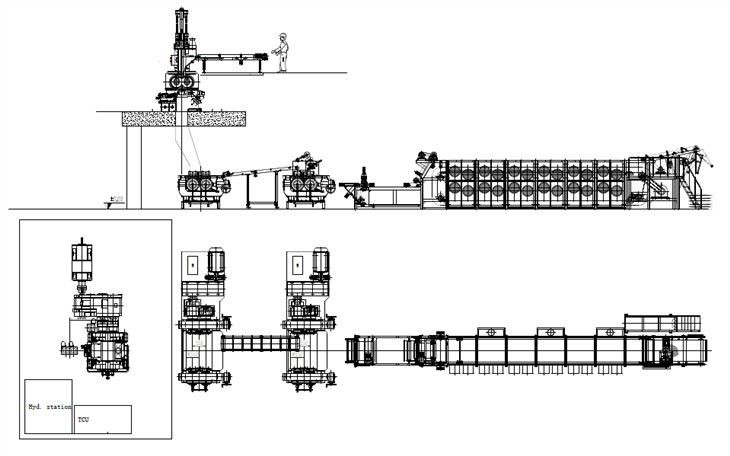

If you're in the rubber industry and looking for reliable rubber mixing machines, we're here to help. Our machines are designed to handle different types of raw materials and can provide you with high - quality rubber compounds. Whether you need a two - roll mill, an internal mixer, or a complete rubber mixing line, we've got you covered. Don't hesitate to contact us for more information and to start a procurement discussion. We're eager to work with you to take your rubber production to the next level.
References
- "Rubber Technology" by Maurice Morton
- "Handbook of Elastomers" edited by A. K. Bhowmick and H. L. Stephens