

Hey there! I'm a supplier in the batch - off business, and today I want to dig into the regulatory requirements for batch - off in the pharmaceutical industry. It's a topic that's super important, not just for us suppliers but also for the whole pharma game.
First off, let's get clear on what batch - off means. In simple terms, batch - off is the process of separating a large batch of pharmaceutical products into smaller, more manageable units. This is a crucial step in the manufacturing process, as it helps in quality control, storage, and distribution.
Quality Control Regulations
One of the most fundamental regulatory requirements in the pharmaceutical industry is quality control. The quality of pharmaceutical products can't be compromised, as it directly impacts the health and safety of patients. For batch - off processes, this means that each smaller batch must meet the same high - quality standards as the larger one.
The FDA (Food and Drug Administration) in the United States, for example, has strict guidelines on quality control. They require pharmaceutical manufacturers to have a comprehensive quality management system in place. This system should cover everything from raw material sourcing to the final product release. When it comes to batch - off, manufacturers need to ensure that the equipment used is calibrated regularly. This includes weighing scales, temperature - control devices, and any other machinery involved in the process.
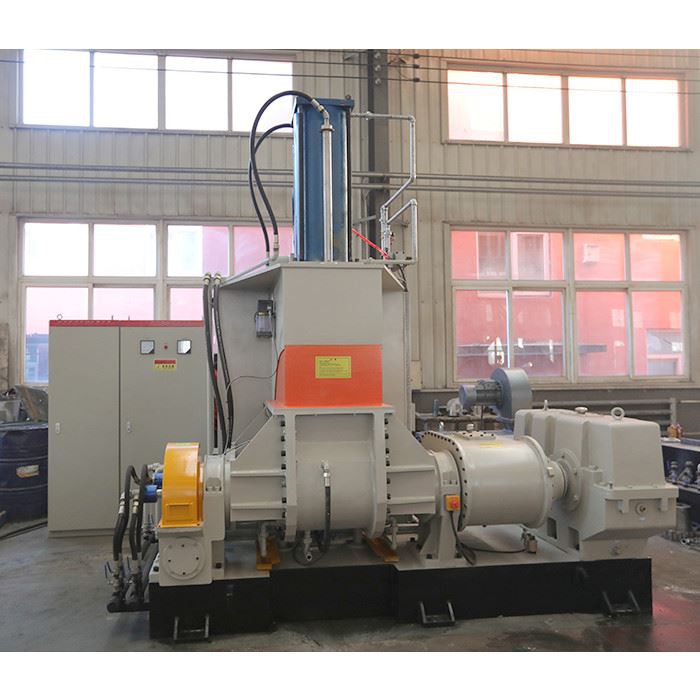
As a batch - off supplier, we play a vital role in this. We need to make sure that the equipment we provide is up to the mark. For instance, if we're supplying a Kneader Machine For Rubber Mixing that's used in the batch - off process, it should be able to maintain the right temperature and pressure to ensure the quality of the product. Any deviation can lead to a sub - standard batch, which is a big no - no in the pharma world.

Documentation and Record - Keeping
Another key regulatory requirement is documentation. Pharmaceutical companies are required to keep detailed records of every batch - off process. This includes information about the raw materials used, the manufacturing process, the batch number, and the quality control tests conducted. These records need to be accurate, complete, and easily accessible.
The reason for this strict documentation requirement is to ensure traceability. In case of a product recall or a quality issue, regulators need to be able to track the product back to its source. As a supplier, we also need to provide proper documentation for the equipment we supply. This includes installation manuals, maintenance records, and calibration certificates.
Let's say a pharmaceutical company is using a Rubber Mixer from us in their batch - off process. We should be able to provide them with all the necessary documents so that they can include them in their overall batch - off records. This helps in maintaining transparency and compliance with regulatory requirements.
Environmental Regulations
The pharmaceutical industry is also subject to environmental regulations. During the batch - off process, there can be waste generation, including chemical waste and packaging materials. Pharmaceutical companies need to ensure that they dispose of these wastes in an environmentally friendly manner.
As a batch - off supplier, we need to be aware of these regulations as well. For example, if the equipment we supply generates a certain amount of waste during the batch - off process, we should provide guidance on how to handle it properly. We might also need to design our equipment in a way that minimizes waste generation.
Personnel Training
Regulators also require pharmaceutical companies to train their personnel involved in the batch - off process. Employees need to be knowledgeable about the regulatory requirements, the equipment they're using, and the quality control procedures. This training should be ongoing, as regulations and technologies are constantly evolving.
As a supplier, we can support this by providing training on the equipment we supply. For example, if a company buys a Banbury Machine Rubber Mixer from us, we can offer training sessions on how to operate it safely and efficiently. This not only helps the company comply with regulatory requirements but also improves the overall performance of the batch - off process.
Validation and Verification
Validation and verification are essential steps in the batch - off process. Validation is the process of proving that a process or equipment can consistently produce a product that meets the required specifications. Verification, on the other hand, is the act of checking that a system or process is operating as intended.
Pharmaceutical companies need to conduct regular validation and verification activities for their batch - off processes and equipment. As a supplier, we need to support this by providing validation protocols and test data for the equipment we supply. This helps the company demonstrate to regulators that their batch - off process is reliable and compliant.
Packaging and Labeling Regulations
Packaging and labeling are also heavily regulated in the pharmaceutical industry. Each batch of pharmaceutical products must be properly packaged to protect the product from damage, contamination, and degradation. The packaging materials used should be approved by the relevant regulatory authorities.
Labels on the packaging must include important information such as the product name, dosage, expiration date, batch number, and storage instructions. This information helps patients use the product safely and allows regulators to track the product. As a batch - off supplier, we need to ensure that the equipment we provide doesn't damage the packaging during the batch - off process.
Good Manufacturing Practices (GMP)
Good Manufacturing Practices (GMP) are a set of regulations that govern the manufacturing of pharmaceutical products. These practices cover all aspects of the manufacturing process, including batch - off. GMP requires pharmaceutical companies to have a clean and organized manufacturing environment, proper personnel hygiene, and strict quality control measures.
As a batch - off supplier, we need to ensure that the equipment we supply is designed and manufactured in accordance with GMP standards. This means that the equipment should be easy to clean, made of materials that are compatible with pharmaceutical products, and free from any contaminants.
In conclusion, the regulatory requirements for batch - off in the pharmaceutical industry are extensive and complex. As a batch - off supplier, we have a responsibility to understand these requirements and support our customers in meeting them. By providing high - quality equipment, proper documentation, training, and support, we can help pharmaceutical companies produce safe and effective products.
If you're in the pharmaceutical industry and looking for a reliable batch - off supplier, don't hesitate to reach out. We're here to provide you with the best solutions that meet all the regulatory requirements. Let's work together to ensure the success of your batch - off processes.
References
- U.S. Food and Drug Administration (FDA). "Current Good Manufacturing Practice (CGMP) Regulations."
- World Health Organization (WHO). "Good Manufacturing Practices for Pharmaceutical Products."
- European Medicines Agency (EMA). "Guidelines on Good Manufacturing Practice."


