
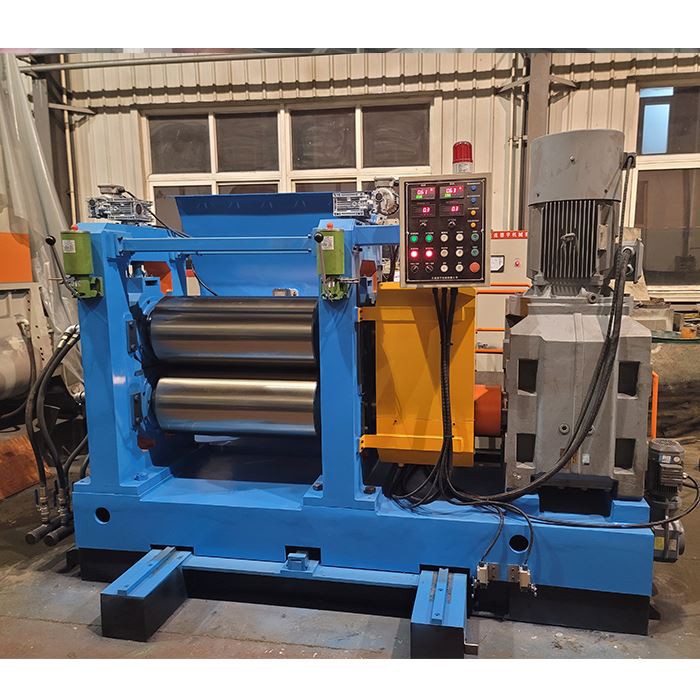
Hey there! As a supplier of 2 roll mills, I often get asked about how to replace the rolls in these machines. It's an important maintenance task that can significantly impact the performance and lifespan of your 2 roll mill. So, in this blog post, I'll walk you through the process step by step.
Why Replace the Rolls?
Before we dive into the replacement process, let's quickly talk about why you might need to replace the rolls in the first place. Over time, the rolls in a 2 roll mill can wear out due to continuous use, friction, and exposure to various materials. This wear can lead to uneven surfaces, reduced efficiency, and even affect the quality of the products you're processing. Additionally, if you're changing the type of material you're working with or need to upgrade to rolls with different specifications, replacement becomes necessary.

Tools and Materials You'll Need
To replace the rolls in a 2 roll mill, you'll need the following tools and materials:
- Lifting equipment: Depending on the size and weight of the rolls, you'll need a hoist, crane, or other lifting device to safely remove and install the rolls.
- Wrenches and sockets: You'll need a set of wrenches and sockets to remove the bolts and nuts holding the rolls in place.
- Cleaning supplies: You'll need to clean the roll housing and other components before installing the new rolls. Use a degreaser, rags, and a brush to remove any dirt, debris, or old lubricant.
- Lubricant: You'll need to apply a lubricant to the roll bearings and other moving parts to ensure smooth operation.
- New rolls: Of course, you'll need a set of new rolls that are compatible with your 2 roll mill. Make sure to choose rolls with the right diameter, length, and surface finish for your specific application.
Step-by-Step Replacement Process
Now that you have all the necessary tools and materials, let's get started with the replacement process.
Step 1: Prepare the Machine
Before you start working on the 2 roll mill, make sure to turn off the power and lock out the electrical panel to prevent accidental startup. Also, remove any materials or debris from the machine and clean the work area.
Step 2: Remove the Old Rolls
- Disconnect the roll drive system: If your 2 roll mill has a belt or chain drive system, remove the belt or chain to disconnect the roll drive.
- Remove the roll covers: Use a wrench or socket to remove the bolts holding the roll covers in place. Carefully lift the covers off the rolls and set them aside.
- Remove the roll bearings: Use a wrench or socket to remove the bolts holding the roll bearings in place. Carefully lift the bearings off the rolls and set them aside.
- Remove the rolls: Use a hoist or crane to lift the old rolls out of the machine. Make sure to support the rolls properly to prevent them from tipping or falling.
Step 3: Clean the Roll Housing
- Remove any dirt or debris: Use a degreaser, rags, and a brush to remove any dirt, debris, or old lubricant from the roll housing.
- Inspect the roll housing: Check the roll housing for any signs of damage or wear. If you notice any cracks, dents, or other issues, you may need to repair or replace the roll housing before installing the new rolls.
- Apply lubricant: Apply a thin layer of lubricant to the roll housing to prevent rust and corrosion.
Step 4: Install the New Rolls
- Position the new rolls: Use a hoist or crane to lower the new rolls into the roll housing. Make sure to align the rolls properly and ensure that they are centered in the housing.
- Install the roll bearings: Place the roll bearings on the ends of the new rolls and secure them with the bolts and nuts.
- Install the roll covers: Place the roll covers over the rolls and secure them with the bolts and nuts.
- Reconnect the roll drive system: If your 2 roll mill has a belt or chain drive system, reinstall the belt or chain to reconnect the roll drive.
Step 5: Test the Machine
- Turn on the power: After installing the new rolls, turn on the power to the 2 roll mill and check for any abnormal noises or vibrations.
- Adjust the roll gap: Use the roll gap adjustment mechanism to set the desired gap between the rolls. Make sure to adjust the gap evenly on both sides of the machine.
- Test the machine with a sample material: Feed a sample material through the 2 roll mill to test its performance. Check the quality of the output and make any necessary adjustments to the roll speed, pressure, or temperature.
Tips for a Successful Roll Replacement
- Follow the manufacturer's instructions: Make sure to follow the manufacturer's instructions for your specific 2 roll mill when replacing the rolls. This will ensure that you do the job correctly and avoid any potential safety hazards.
- Use the right tools and materials: Using the right tools and materials is essential for a successful roll replacement. Make sure to use high-quality tools and lubricants that are compatible with your 2 roll mill.
- Take your time: Replacing the rolls in a 2 roll mill is a complex and time-consuming process. Don't rush the job and take the time to do it right. This will help you avoid mistakes and ensure that the machine operates smoothly after the replacement.
- Inspect the new rolls: Before installing the new rolls, inspect them carefully for any signs of damage or defects. If you notice any issues, contact the supplier immediately to get a replacement.
Related Products
If you're in the market for other rubber processing equipment, we also offer a range of products, including the Rubber Extruder Sheet Preforming Machine, Rubber Kneader Machine, and Rubber Mixer. These machines are designed to work together with our 2 roll mills to provide a complete rubber processing solution.
Conclusion
Replacing the rolls in a 2 roll mill is a challenging but necessary maintenance task. By following the steps outlined in this blog post and using the right tools and materials, you can replace the rolls safely and effectively. If you have any questions or need further assistance, don't hesitate to contact us. We're here to help you keep your 2 roll mill running smoothly and efficiently. Whether you're looking to replace your rolls or invest in new rubber processing equipment, we're the supplier you can trust. Reach out to us today to start a conversation about your specific needs and how we can help you achieve your production goals.
References
- "2 Roll Mill Operation and Maintenance Manual" - Manufacturer's Manual
- "Rubber Processing Handbook" - Industry Reference Guide