

Hey there! As a batch - off equipment supplier, I've seen firsthand how crucial it is for this kind of machinery to be reliable. In the rubber manufacturing industry, batch - off equipment plays a major role in the process. It helps in cooling and stacking rubber sheets after they've been mixed and extruded. So, let's dive into how we can enhance the reliability of batch - off equipment.
Regular Maintenance Checks
One of the most important things is to carry out regular maintenance checks. Just like you'd take your car in for a service, batch - off equipment needs routine inspections. This includes checking the conveyor belts for any signs of wear and tear. If the belts are frayed or have holes, it can cause the rubber sheets to move unevenly or even get stuck. We should also check the cooling system. The cooling fans and water pipes need to be clean and in good working condition. If the cooling system fails, the rubber sheets won't cool properly, which can lead to quality issues down the line.
Another part that needs regular attention is the cutting mechanism. The blades should be sharp and aligned correctly. Dull blades can tear the rubber sheets instead of making clean cuts, and misaligned blades can result in unevenly sized sheets. By doing these maintenance checks on a regular basis, we can catch potential problems early and prevent major breakdowns.
Use High - Quality Components
When it comes to batch - off equipment, using high - quality components is a no - brainer. For example, the motors that drive the conveyor belts and other moving parts should be of top - notch quality. A cheap motor might save you some money upfront, but it's more likely to break down sooner. High - quality motors are more efficient and durable, which means less downtime for your production line.
The bearings used in the equipment also play a crucial role. They need to be able to handle the weight and movement of the conveyor belts and other components without wearing out quickly. Investing in good - quality bearings can significantly extend the lifespan of the batch - off equipment.
Operator Training
Even the best - built equipment can malfunction if the operators don't know how to use it properly. That's why operator training is so important. Operators should be trained on how to start and stop the equipment correctly, how to adjust the settings for different types of rubber sheets, and how to perform basic troubleshooting.
For instance, they should know how to recognize if the cooling system is not working properly and what steps to take to fix it. They should also be aware of the safety procedures when working with the batch - off equipment. By having well - trained operators, we can reduce the risk of human - error - induced breakdowns and ensure that the equipment is used to its full potential.
Software and Automation
In today's digital age, software and automation can do wonders for enhancing the reliability of batch - off equipment. We can use software to monitor the performance of the equipment in real - time. This software can track things like the speed of the conveyor belts, the temperature of the cooling system, and the frequency of the cutting mechanism.
If any of these parameters go out of the normal range, the software can send an alert to the operators or maintenance team. This allows for quick action to be taken before a small problem turns into a big one. Automation can also be used to control the equipment more precisely. For example, automated systems can adjust the speed of the conveyor belts based on the thickness of the rubber sheets, ensuring a more consistent and reliable production process.
Compatibility with Other Equipment
Batch - off equipment doesn't work in isolation. It needs to be compatible with other equipment in the rubber manufacturing process, like the Rubber Extruder Sheet Preforming Machine and the Banbury Machine Rubber Mixer. If the batch - off equipment is not compatible with these other machines, it can lead to problems.
For example, if the speed of the batch - off conveyor belt is not synchronized with the output speed of the extruder, the rubber sheets might pile up or get stretched too thin. Ensuring compatibility between all the equipment in the production line can improve the overall reliability of the batch - off equipment and the entire manufacturing process.
Upgrades and Modernization
As technology advances, it's important to consider upgrading and modernizing the batch - off equipment. Newer models might have better features like more efficient cooling systems, improved cutting mechanisms, or more user - friendly software. Upgrading the equipment can not only enhance its reliability but also improve the quality of the rubber sheets produced.
For example, the New Type Banbury Mixer might have some technological advancements that can be integrated with the batch - off equipment to make the overall process more efficient. By staying up - to - date with the latest technology and making the necessary upgrades, we can keep our batch - off equipment reliable for years to come.
Environmental Considerations
The environment in which the batch - off equipment operates can also affect its reliability. If the equipment is placed in a dirty or dusty environment, the moving parts can get clogged with debris. This can cause the equipment to overheat or wear out faster.
It's important to keep the area around the batch - off equipment clean and well - ventilated. If possible, install air filters to reduce the amount of dust and debris in the air. Also, extreme temperatures can affect the performance of the equipment. In very hot or very cold environments, the components might expand or contract, which can lead to misalignments and other problems. Taking steps to control the environment can help maintain the reliability of the batch - off equipment.
Supplier Support
As a batch - off equipment supplier, I understand the importance of providing good support to our customers. We should offer technical support in case of any problems with the equipment. This can include phone support, on - site visits, and remote troubleshooting.
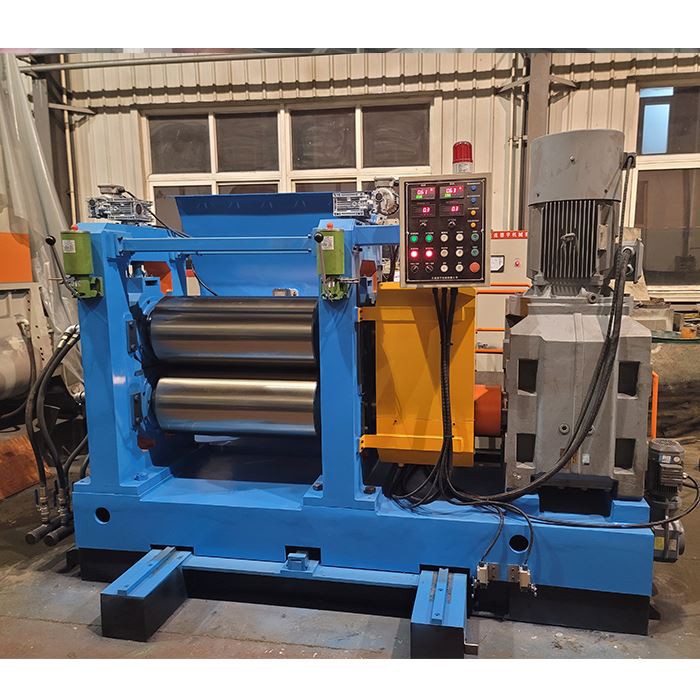

We should also have a good supply of spare parts. If a component breaks down, having the spare part readily available can minimize the downtime of the equipment. By having a reliable supplier who can provide support and spare parts, customers can have peace of mind knowing that their batch - off equipment will be up and running again quickly if something goes wrong.
In conclusion, enhancing the reliability of batch - off equipment involves a combination of regular maintenance, using high - quality components, operator training, software and automation, compatibility with other equipment, upgrades, environmental considerations, and good supplier support. If you're in the market for batch - off equipment or looking to improve the reliability of your existing equipment, feel free to reach out for a chat. We can discuss your specific needs and how we can help you achieve a more reliable and efficient production process.
References
- "Rubber Manufacturing Handbook"
- Industry reports on rubber processing equipment reliability


