
Hey there! As a supplier of rubber mixers, I've been in the rubber industry for quite a while. One question that often pops up from our customers is, "How does the material of the mixing chamber affect the rubber quality?" Well, let's dive right into it.
First off, the mixing chamber is like the heart of a rubber mixer. It's where all the magic happens - where raw rubber and various additives get blended together to create the final rubber product. The material of this chamber plays a crucial role in determining the quality of the rubber that comes out of it.
Let's talk about some common materials used for mixing chambers. One of the most widely used materials is alloy steel. Alloy steel mixing chambers are tough and durable. They can withstand high temperatures and pressures, which are often involved in the rubber mixing process. When you're mixing rubber, you're usually dealing with a lot of friction and heat. Alloy steel can handle this kind of abuse without deforming or wearing out too quickly.
The smooth surface of alloy steel also helps in the mixing process. It allows the rubber and additives to flow more freely inside the chamber, ensuring a more uniform mix. This uniformity is key to getting high - quality rubber. If the mix isn't uniform, you might end up with rubber that has inconsistent properties, like different hardness levels or varying degrees of elasticity.
However, alloy steel isn't perfect. Over time, it can react with some of the chemicals in the rubber compound. For example, sulfur, which is a common additive in rubber, can cause corrosion on the surface of the alloy steel mixing chamber. This corrosion can not only reduce the lifespan of the chamber but also contaminate the rubber. If the rubber gets contaminated, it can affect its physical and chemical properties, leading to a lower - quality product.
Another material that's gaining popularity for mixing chambers is stainless steel. Stainless steel is highly resistant to corrosion. This means that it can be used with a wider range of rubber compounds, especially those that contain corrosive chemicals. When you use a stainless - steel mixing chamber, you don't have to worry as much about the chamber getting damaged by the chemicals in the rubber.
Stainless steel also has a nice, clean surface. It's easy to clean after each mixing cycle, which is important for maintaining the quality of the rubber. If there are remnants of the previous batch left in the chamber, it can mix with the new batch and affect the quality. With a stainless - steel chamber, you can ensure that each batch of rubber is as pure as possible.
But stainless steel has its drawbacks too. It's more expensive than alloy steel. So, if you're on a tight budget, it might not be the most cost - effective option. Also, while it's strong, it's not as hard as alloy steel in some cases. This means that it might not be as suitable for very high - pressure and high - friction mixing processes.
Then there's cast iron. Cast iron mixing chambers are heavy and sturdy. They can absorb a lot of heat, which can be an advantage in some rubber mixing processes. Heat is often used to help the rubber and additives blend together better. A cast - iron chamber can hold the heat well, providing a more stable environment for the mixing process.
However, cast iron is quite brittle. It can crack or break if it's subjected to sudden shocks or extreme temperature changes. And like alloy steel, it can also be prone to corrosion, especially if it's not properly coated or maintained.
Now, how does all this relate to the rubber quality? Well, as I mentioned earlier, the material of the mixing chamber affects the uniformity of the mix. A good - quality mixing chamber material ensures that the rubber and additives are evenly distributed, resulting in rubber with consistent properties.
Let's say you're making rubber for automotive tires. The rubber needs to have a certain level of hardness, elasticity, and wear resistance. If the mixing chamber material causes uneven mixing, the tires might have weak spots or inconsistent performance. This can be dangerous on the road.
On the other hand, if you use the right material for the mixing chamber, you can produce rubber that meets the strict quality standards required for high - end applications. For example, in the aerospace industry, rubber components need to be extremely reliable. The right mixing chamber material can help you achieve the high - quality rubber needed for such demanding applications.
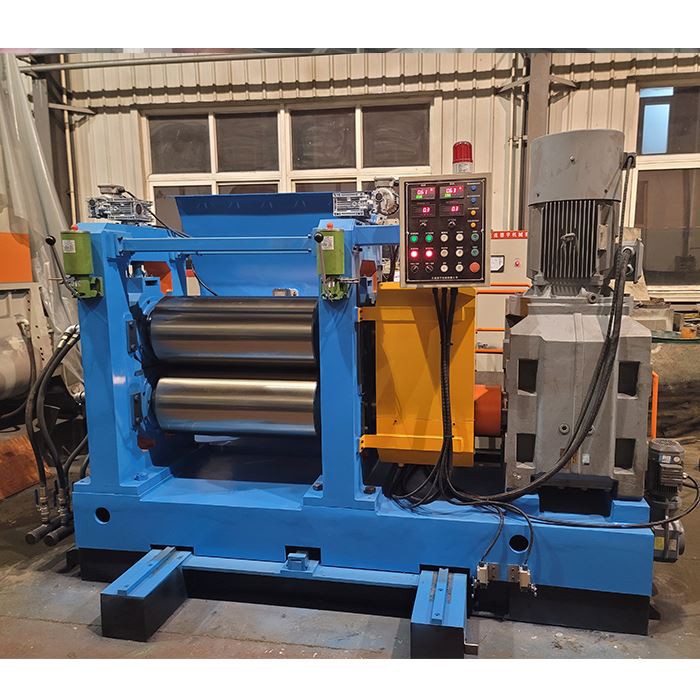
We offer a variety of rubber mixers with different types of mixing chambers. Our Rubber Extruder Sheet Preforming Machine is designed to work with different chamber materials to suit your specific needs. It's a great machine for pre - forming rubber sheets, and the choice of mixing chamber material can really enhance the quality of the pre - formed sheets.
Our Rubber Kneader Mixer is another excellent option. It uses a kneading action to mix the rubber and additives, and the material of the mixing chamber can affect how well this kneading process works. A good - quality chamber material can ensure that the kneading is thorough and the mix is uniform.
And our Banbury Mixer is a heavy - duty mixer that's widely used in large - scale rubber production. The material of its mixing chamber is crucial for handling the high - volume and high - intensity mixing required in such operations.
If you're in the market for a rubber mixer and want to learn more about how the mixing chamber material can affect your rubber quality, don't hesitate to reach out. We're here to help you choose the right mixer and the right mixing chamber material for your specific requirements. Whether you're a small - scale rubber producer or a large industrial company, we have the expertise and the products to meet your needs. Contact us today to start a discussion about your rubber mixing needs and how we can help you improve the quality of your rubber products.

References:
- Rubber Technology Handbook, Werner Hofmann
- The Science and Technology of Rubber, James E. Mark, Burak Erman, Charles L. Roth