
As a supplier of Motorcycle Bicycle Tyre Curing Press, I often get asked whether this type of press can be used for other rubber products. In this blog post, I'll delve into this question, exploring the technical aspects, advantages, limitations, and potential applications of using a motorcycle bicycle tyre curing press for non - tyre rubber items.
Technical Principles of Motorcycle Bicycle Tyre Curing Press
Before discussing its applicability to other rubber products, it's essential to understand how a Motorcycle Bicycle Tyre Curing Press works. The basic principle of a tyre curing press is to apply heat and pressure to a raw rubber tyre blank within a mould. This process, known as vulcanization, transforms the soft, sticky rubber into a durable, elastic material with the desired shape and properties.
The press typically consists of a heating system, a hydraulic system for applying pressure, and a mould assembly. The heating system can use various methods, such as steam, electricity, or hot oil, to raise the temperature of the rubber to the vulcanization point, usually between 130 - 180 degrees Celsius. The hydraulic system exerts high pressure on the rubber, ensuring it fills the mould cavity completely and forms a uniform structure.
Potential Applications for Other Rubber Products
Gaskets and Seals
Gaskets and seals are common rubber products used in a wide range of industries, including automotive, plumbing, and industrial machinery. These products require a high degree of precision and consistency in terms of shape and dimensions. A motorcycle bicycle tyre curing press can be adapted to produce gaskets and seals by using custom - made moulds. The high - pressure environment provided by the press helps to eliminate air bubbles and ensure a tight fit between the rubber and the mating surfaces.
Rubber Hoses
Rubber hoses are used for transporting fluids and gases in many applications, such as automotive engines, hydraulic systems, and chemical processing plants. The curing process is crucial for hoses to achieve the necessary strength, flexibility, and resistance to pressure and chemicals. With appropriate moulds and process adjustments, a motorcycle bicycle tyre curing press can be used to produce rubber hoses. The press can ensure uniform wall thickness and proper bonding of the rubber layers in multi - layer hoses.
Rubber O - rings
O - rings are circular seals used in countless mechanical and hydraulic applications. They need to have excellent sealing performance and resistance to wear and tear. A tyre curing press can be employed to manufacture O - rings by using ring - shaped moulds. The high - pressure vulcanization process helps to create a smooth, uniform surface on the O - rings, which is essential for their sealing function.
Advantages of Using a Motorcycle Bicycle Tyre Curing Press for Other Rubber Products
Cost - effectiveness
For small to medium - scale manufacturers of non - tyre rubber products, investing in a dedicated curing press for each type of product can be expensive. A motorcycle bicycle tyre curing press can serve as a multi - purpose machine, reducing the need for multiple presses. This not only saves on equipment costs but also on maintenance and training expenses.

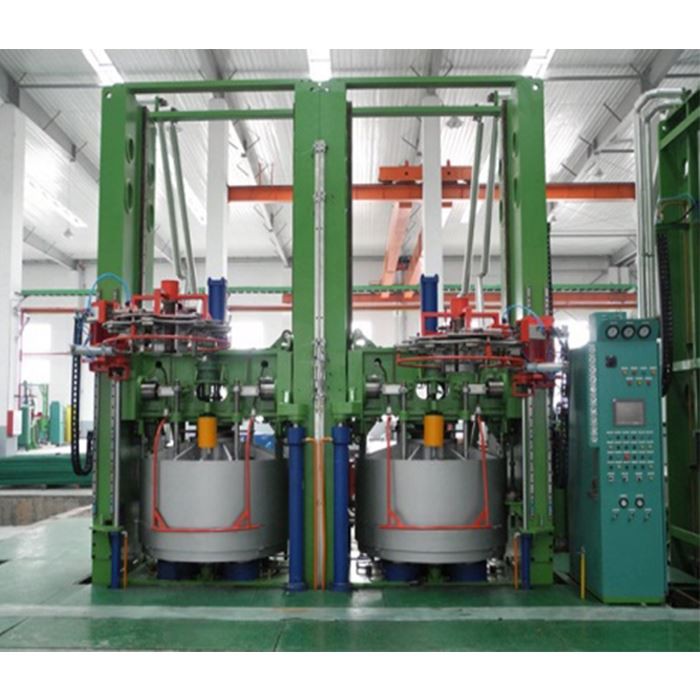
High - quality Output
The tyre curing press is designed to provide precise control over temperature and pressure, which are critical factors in the vulcanization process. This precision results in high - quality rubber products with consistent physical and mechanical properties. The high - pressure environment also helps to improve the density and strength of the rubber, making the final products more durable.
Customization
The ability to use custom - made moulds with a motorcycle bicycle tyre curing press allows for a high degree of customization. Manufacturers can produce rubber products in various shapes, sizes, and designs to meet the specific requirements of their customers. This flexibility is particularly valuable in industries where unique rubber components are needed.
Limitations and Challenges
Mould Design and Compatibility
One of the main challenges of using a motorcycle bicycle tyre curing press for other rubber products is the design and compatibility of the moulds. Tyre moulds are typically large and have a specific shape and structure. Adapting them for non - tyre products may require significant modifications or the creation of entirely new moulds. Additionally, the moulds need to be precisely machined to ensure accurate replication of the desired product shape.
Process Optimization
The vulcanization process for tyres is optimized for the specific properties of tyre rubber. When using the press for other rubber products, the process parameters, such as temperature, pressure, and curing time, may need to be adjusted. Different types of rubber have different vulcanization characteristics, and finding the optimal process settings can be time - consuming and require some trial and error.
Production Capacity
A motorcycle bicycle tyre curing press is designed primarily for producing tyres, which are relatively large - scale products. For small - sized rubber products, the production capacity of the press may be underutilized, leading to inefficiencies. In some cases, the press may need to be run at a lower production rate to accommodate the smaller products.
Adaptations and Modifications
To use a motorcycle bicycle tyre curing press for other rubber products effectively, several adaptations and modifications may be required:
Mould Design and Fabrication
As mentioned earlier, custom - made moulds are essential for producing non - tyre rubber products. The moulds should be designed to fit the specific shape and size of the product and be made from materials that can withstand the high temperature and pressure of the vulcanization process. Advanced machining techniques, such as CNC machining, can be used to ensure high precision in mould fabrication.
Process Control System
The process control system of the press may need to be updated to allow for more precise control of temperature, pressure, and curing time. This can involve installing additional sensors and controllers or reprogramming the existing control software. The ability to adjust these parameters accurately is crucial for achieving optimal vulcanization results for different rubber products.
Venting and Cooling
Some non - tyre rubber products may require different venting and cooling arrangements compared to tyres. For example, products with complex shapes may need more effective venting to prevent the formation of air bubbles. The cooling system may also need to be adjusted to ensure proper cooling rates and prevent over - or under - curing of the rubber.
Conclusion
In conclusion, a motorcycle bicycle tyre curing press can be used for other rubber products, but it requires careful consideration of the product requirements, process adaptations, and potential limitations. With the right moulds, process adjustments, and technical expertise, the press can offer a cost - effective and high - quality solution for manufacturing a variety of non - tyre rubber items, such as gaskets, seals, hoses, and O - rings.
If you are interested in exploring the possibility of using a Motorcycle Bicycle Tyre Curing Press for your rubber product manufacturing needs, or if you have any questions about our products and services, we invite you to contact us for a detailed discussion. Our team of experts is ready to assist you in finding the best solutions for your specific requirements. We also offer Tube Curing Press and Tyre Curing Press for various applications. Let's start a fruitful business partnership today!
References
- "Rubber Technology: Compounding, Mixing, and Vulcanization" by Michael Morton
- "Handbook of Rubber Technology" edited by K. G. Bhattacharjee
- Technical manuals and specifications of motorcycle bicycle tyre curing presses from leading manufacturers.