
Hey there! As a supplier of Rubber Kneader Mixers, I often get asked about the sealing performance of these machines. It's a crucial aspect that can greatly impact the efficiency and quality of rubber mixing processes. So, let's dive right in and explore what the sealing performance of a rubber kneader mixer really means.
Understanding the Basics of Sealing in Rubber Kneader Mixers
First off, what's the big deal about sealing in a rubber kneader mixer? Well, a rubber kneader mixer is designed to blend and knead rubber compounds with various additives. During this process, the materials are subjected to high pressure and temperature. A proper sealing system is essential to prevent the leakage of these materials, whether it's the rubber itself, chemicals, or steam.
Imagine a scenario where there's a leak in the mixer. Not only does it lead to a loss of valuable materials, but it can also pose safety risks. Chemicals leaking out can be hazardous to the operators, and the loss of materials can affect the consistency and quality of the final rubber product.
Factors Affecting Sealing Performance
There are several factors that can influence the sealing performance of a rubber kneader mixer. Let's take a closer look at some of the key ones.
Material of the Seals
The type of material used for the seals is a major factor. Seals are typically made from rubber or other elastomers, but the quality and composition of these materials can vary. High - quality seals are resistant to wear, heat, and chemicals. For example, if the rubber compound being mixed contains strong solvents, the seals need to be made from a material that won't degrade when in contact with these solvents.
Design of the Sealing System
The design of the sealing system also plays a crucial role. A well - designed system will have proper alignment and clearance between the moving parts. This ensures that the seals can effectively prevent leakage without being over - stressed. For instance, the sealing mechanism around the rotors of the kneader mixer needs to be carefully engineered to withstand the high - speed rotation and the pressure exerted by the rubber compound.
Operating Conditions
The operating conditions of the rubber kneader mixer can have a significant impact on the sealing performance. High temperatures and pressures can cause the seals to expand or contract, which may lead to leakage if the seals are not designed to handle these changes. Additionally, the frequency of operation and the type of rubber compounds being mixed can also affect the wear and tear of the seals.

Types of Sealing Systems in Rubber Kneader Mixers
There are different types of sealing systems used in rubber kneader mixers. Let's explore a few common ones.
Lip Seals
Lip seals are one of the most commonly used sealing solutions. They are relatively simple in design and consist of a flexible lip that presses against the surface to be sealed. Lip seals are effective in preventing the leakage of fluids and can be used in a wide range of operating conditions. However, they may require regular maintenance and replacement as they can wear out over time.
Mechanical Seals
Mechanical seals are more complex but offer better sealing performance in high - pressure and high - temperature applications. They consist of two flat surfaces that are held together by a spring or other means. The contact between these surfaces creates a tight seal that can prevent the leakage of even the most challenging rubber compounds.
Importance of Good Sealing Performance
Now that we've discussed the factors and types of sealing systems, let's talk about why good sealing performance is so important.
Quality of the Final Product
A well - sealed rubber kneader mixer ensures that the rubber compound is mixed uniformly. Without any leakage, all the ingredients are kept within the mixing chamber, which helps in achieving a consistent and high - quality final product. This is especially important in industries where the rubber products need to meet strict quality standards, such as the automotive and aerospace industries.
Cost - Efficiency
Good sealing performance also leads to cost - efficiency. By preventing the loss of materials, the mixer reduces waste and saves money on raw materials. Additionally, it reduces the need for frequent maintenance and replacement of parts, which can also save on operating costs in the long run.
Safety
Safety is another crucial aspect. A leaking rubber kneader mixer can be a safety hazard. Chemicals and hot rubber compounds can cause burns or other injuries to the operators. A proper sealing system minimizes these risks and creates a safer working environment.
Our Products and Sealing Performance
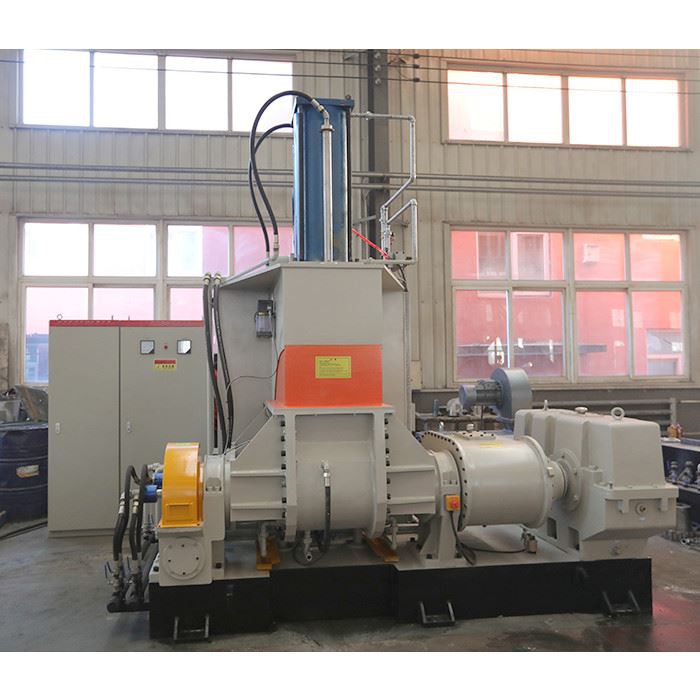
As a supplier of Rubber Kneader Mixers, we take the sealing performance of our machines very seriously. Our Intermeshing Internal Mixer is designed with state - of - the - art sealing technology. The seals are made from high - quality materials that are resistant to wear, heat, and chemicals. The design of the sealing system ensures that it can withstand the high pressures and temperatures generated during the rubber mixing process.
Our Kneader Machine For Rubber Mixing also features a reliable sealing mechanism. We have conducted extensive testing to ensure that the seals can effectively prevent leakage, even when dealing with different types of rubber compounds.
And for those in the cable industry, our Cable Compound Kneader is specifically designed to meet the unique sealing requirements of cable compound mixing. The seals are engineered to handle the specific chemicals and additives used in cable compounds, providing a high - level of sealing performance.
Conclusion
In conclusion, the sealing performance of a rubber kneader mixer is a critical factor that can affect the quality, cost - efficiency, and safety of the rubber mixing process. By understanding the factors that influence sealing performance, the types of sealing systems available, and the importance of good sealing, you can make an informed decision when choosing a rubber kneader mixer.
If you're in the market for a high - quality rubber kneader mixer with excellent sealing performance, don't hesitate to contact us. We're here to help you find the right machine for your specific needs. Whether you're a small - scale rubber manufacturer or a large - scale industrial operation, we have the expertise and the products to meet your requirements. Reach out to us today to start a conversation about your rubber mixing needs.
References
- "Rubber Processing Technology" by Charles W. Macosko
- "Handbook of Elastomers" edited by Ibrahim I. Rubin