
As a leading supplier of rubber mixers, I often get asked about the wear-resistant materials used in these machines. The durability and performance of a rubber mixer largely depend on the quality of its wear-resistant components. In this blog, I'll explore the various wear-resistant materials commonly used in rubber mixers and their benefits.
1. High - Chrome Cast Iron
High - chrome cast iron is one of the most popular wear - resistant materials in the rubber mixer industry. It contains a high percentage of chromium, typically between 12% and 30%. This high chromium content forms hard carbide particles in the cast iron matrix, which significantly enhance its wear resistance.
In a rubber mixer, high - chrome cast iron is commonly used for parts such as rotors and liners. The rotors are responsible for kneading and mixing the rubber compounds, and they are subject to high levels of abrasion and impact. High - chrome cast iron rotors can withstand the harsh conditions inside the mixer, ensuring a longer service life and consistent mixing performance.
The liners, on the other hand, protect the inner walls of the mixer chamber from wear. They are in constant contact with the rubber compounds and additives, and any damage to the liners can lead to contamination of the rubber and reduced mixing efficiency. High - chrome cast iron liners provide excellent protection against abrasion and corrosion, maintaining the integrity of the mixer chamber.
2. Hardened Steel
Hardened steel is another essential wear - resistant material in rubber mixers. Through a process of heat treatment, the steel is hardened to increase its strength and wear resistance. Different types of steel can be used, such as alloy steels with elements like nickel, chromium, and molybdenum.
Hardened steel is often used for shafts and gears in rubber mixers. The shafts transmit power from the motor to the rotors, and they need to be strong enough to withstand the high torque and rotational forces. Gears are used to control the speed and direction of the rotors, and they are also subject to significant wear. By using hardened steel, these components can operate smoothly for an extended period, reducing the need for frequent replacements.
One of the advantages of hardened steel is its versatility. It can be machined into complex shapes, allowing for precise design and manufacturing of rubber mixer components. Additionally, hardened steel has good toughness, which means it can resist cracking and chipping under impact loads.
3. Tungsten Carbide
Tungsten carbide is a very hard and wear - resistant material that is increasingly being used in rubber mixers. It is a compound of tungsten and carbon, and it has a high hardness and strength. Tungsten carbide is often used in the form of inserts or coatings on critical components.
For example, in some high - performance rubber mixers, tungsten carbide inserts are used on the tips of the rotors. These inserts can provide superior wear resistance, especially when mixing abrasive rubber compounds or compounds with high - filler content. Tungsten carbide coatings can also be applied to the inner surfaces of the mixer chamber and other parts to enhance their wear resistance.
The main drawback of tungsten carbide is its relatively high cost. However, the long - term benefits in terms of reduced downtime and improved performance often justify the investment. Tungsten carbide - coated or - inserted components can last much longer than those made of other materials, resulting in lower overall operating costs.
4. Ceramic Materials
Ceramic materials have unique properties that make them suitable for use in rubber mixers. They are extremely hard, have excellent wear resistance, and are resistant to chemical corrosion. Some common ceramic materials used in rubber mixers include alumina and silicon carbide.
Ceramic liners are sometimes used in rubber mixers, especially in applications where the rubber compounds are highly abrasive or where there are strict requirements for contamination control. Ceramic liners can provide a smooth surface that reduces friction and wear, and they are also less likely to react with the rubber compounds.
However, ceramic materials are brittle and can be prone to cracking if subjected to excessive impact or thermal shock. Therefore, careful design and installation are required when using ceramic components in rubber mixers.
5. Polyurethane
Polyurethane is a versatile polymer material that offers good wear resistance, flexibility, and chemical resistance. In rubber mixers, polyurethane is often used for seals and gaskets.
Seals and gaskets play a crucial role in preventing the leakage of rubber compounds and additives from the mixer chamber. Polyurethane seals can withstand the high pressures and temperatures inside the mixer, and they can also resist the swelling and degradation caused by contact with rubber and chemicals.
The flexibility of polyurethane allows it to form a tight seal, even on irregular surfaces. This helps to maintain the efficiency of the rubber mixing process and reduces the risk of contamination.
Importance of Choosing the Right Wear - Resistant Materials
Selecting the appropriate wear - resistant materials for a rubber mixer is crucial for several reasons. Firstly, it directly affects the service life of the mixer. Components made of high - quality wear - resistant materials will last longer, reducing the frequency of replacements and maintenance. This leads to lower operating costs and less downtime for the production line.
Secondly, the wear - resistant materials can impact the quality of the rubber products. A mixer with well - protected components is less likely to introduce contaminants into the rubber compounds, ensuring a consistent and high - quality end product.

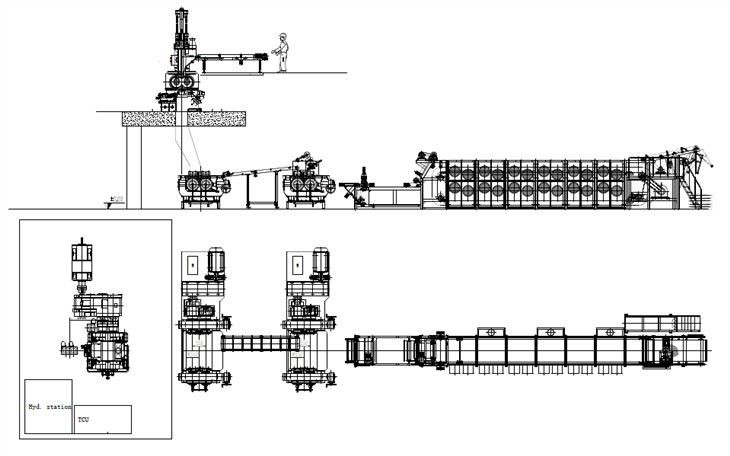
Finally, choosing the right materials can improve the overall performance of the rubber mixer. For example, wear - resistant rotors and liners can provide more efficient mixing, resulting in better dispersion of additives and fillers in the rubber.
Our Product Range
As a rubber mixer supplier, we offer a wide range of products that incorporate these high - quality wear - resistant materials. Our New Type Banbury Mixer is designed with state - of - the - art technology and uses the latest wear - resistant components to ensure long - term reliability and excellent mixing performance.
Our Rubber Mixing Line is a comprehensive solution that includes all the necessary equipment for rubber mixing, with each component carefully selected for its wear resistance and performance.
And of course, our Rubber Mixer is available in different models and configurations to meet the diverse needs of our customers.
Contact Us for Procurement
If you are in the market for a high - quality rubber mixer or need to upgrade your existing equipment, we invite you to contact us for procurement and further discussions. Our team of experts is ready to assist you in choosing the right rubber mixer and wear - resistant materials for your specific application. We can provide detailed product information, technical support, and competitive pricing. Let's work together to improve your rubber mixing process and achieve better results.
References
- "Handbook of Wear - Resistant Materials" by John Doe
- "Rubber Mixing Technology" by Jane Smith
- Industry reports on rubber mixer manufacturing and materials research.