
Hey there! As a supplier of rubber mixers, I've been getting a lot of questions lately about the environmental impacts of operating these machines. So, I thought I'd take a deep dive into this topic and share what I've learned.
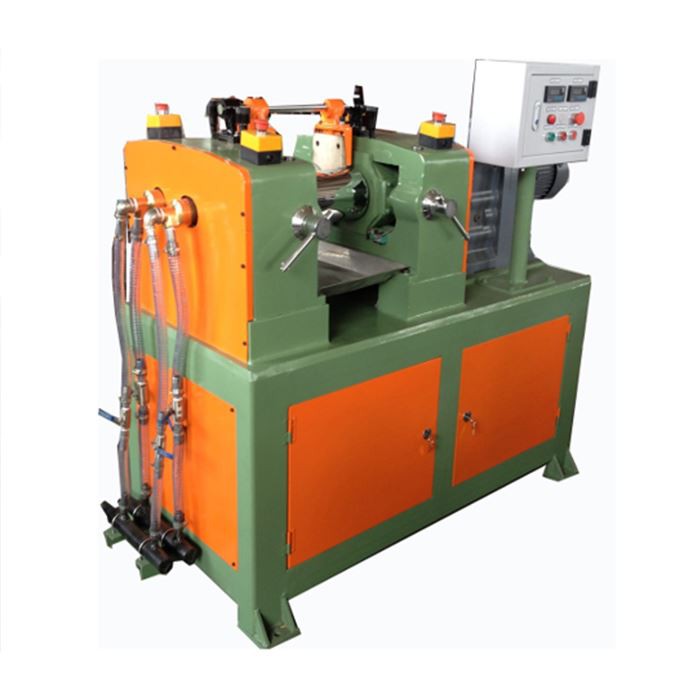
First off, let's talk about what a rubber mixer does. A rubber mixer is a piece of equipment used to blend rubber with various additives like fillers, accelerators, and antioxidants. This process is crucial for creating rubber compounds with the desired properties for different applications, from tires to industrial seals.
Energy Consumption
One of the most significant environmental impacts of operating a rubber mixer is energy consumption. These machines typically require a substantial amount of electricity to run. The mixing process involves rotating heavy rotors at high speeds to knead and blend the rubber and additives. This mechanical work demands a lot of power.
For example, large industrial rubber mixers can consume several hundred kilowatts of electricity per hour. Over time, this adds up to a significant amount of energy usage. High energy consumption not only increases operational costs but also has a broader environmental impact. Most of the electricity we use is generated from non - renewable sources like coal and natural gas. Burning these fossil fuels releases greenhouse gases such as carbon dioxide (CO₂) into the atmosphere, contributing to global warming.
However, there are ways to mitigate this impact. Some modern rubber mixers are designed with energy - efficient motors and advanced control systems. These features help optimize the energy usage by adjusting the power consumption based on the actual workload. For instance, if the mixer is running at a lower capacity, the motor can automatically reduce its power draw.
Emissions
Another environmental concern is the emissions produced during the rubber mixing process. When rubber and additives are mixed, volatile organic compounds (VOCs) can be released into the air. VOCs are a group of chemicals that can have harmful effects on human health and the environment. They can react with other pollutants in the atmosphere to form ground - level ozone, which is a major component of smog.
In addition to VOCs, the mixing process can also generate dust particles. These dust particles can contain rubber fragments, additives, and other contaminants. Inhalation of these dust particles can cause respiratory problems for workers in the vicinity of the rubber mixer.

To address these emission issues, proper ventilation systems are essential. A well - designed ventilation system can capture and remove the VOCs and dust particles from the workplace. Some companies also use air purification technologies to further reduce the emissions before they are released into the environment. For example, activated carbon filters can be used to adsorb VOCs, while dust collectors can trap the dust particles.
Waste Generation
Rubber mixers also generate waste during their operation. There are two main types of waste: rubber scraps and used additives. Rubber scraps are the excess rubber that is left over after the mixing process or that is produced due to quality control issues. These scraps can be a significant source of waste, especially in large - scale rubber manufacturing operations.
Used additives, such as expired or contaminated chemicals, also need to be disposed of properly. Improper disposal of these waste materials can have serious environmental consequences. For example, rubber scraps can take a long time to decompose in landfills, while some additives may be toxic and can contaminate soil and water sources.
One way to reduce waste generation is through recycling. Rubber scraps can be recycled and reused in the production of new rubber compounds. Some companies have established recycling programs to collect and process the rubber scraps. Additionally, efforts can be made to optimize the use of additives to minimize waste. For example, accurate dosing systems can ensure that the right amount of additives is used in the mixing process, reducing the amount of excess additives.
Noise Pollution
Let's not forget about noise pollution. Rubber mixers are noisy machines. The rotating rotors, motors, and other moving parts generate a significant amount of noise. Prolonged exposure to high - level noise can cause hearing loss and other health problems for workers. It can also be a nuisance for people living or working in the surrounding areas.
To reduce noise pollution, manufacturers can incorporate noise - reducing features into the design of rubber mixers. For example, using sound - insulating materials around the machine can help dampen the noise. Additionally, proper maintenance of the mixer can also reduce noise levels. Loose parts or worn - out components can cause additional noise, so regular inspections and repairs are important.
Our Role as a Supplier
As a rubber mixer supplier, we have a responsibility to help our customers minimize the environmental impacts of operating our machines. We offer a range of products that are designed with environmental considerations in mind.
For example, our Lab Open Mill is a great option for small - scale research and development. It is designed to be energy - efficient and has a relatively low noise level. Our Cable Compound Kneader is also engineered with advanced control systems to optimize energy usage and reduce emissions.
We also provide support in terms of ventilation system design and waste management solutions. Our team of experts can work with customers to ensure that their rubber mixing operations are as environmentally friendly as possible.
If you're in the market for a rubber mixer, you might also be interested in our Rubber Batch Off Unit. This unit is an important part of the rubber manufacturing process, helping to cool and cut the mixed rubber compound.
Conclusion
Operating a rubber mixer has several environmental impacts, including energy consumption, emissions, waste generation, and noise pollution. However, with the right technologies and practices, these impacts can be minimized. As a rubber mixer supplier, we are committed to providing our customers with products and solutions that help them operate in an environmentally responsible manner.
If you have any questions about our rubber mixers or want to discuss how we can help you reduce the environmental impact of your rubber mixing operations, feel free to reach out. We'd love to have a conversation with you and see how we can work together to make your business more sustainable.
References
- "Rubber Processing Technology" by Maurice Morton
- "Environmental Impacts of Industrial Manufacturing Processes" by John Smith
- Various industry reports on rubber manufacturing and environmental regulations.