
As a supplier of Rubber Batch Off Units, I've witnessed firsthand the industry's evolution and the increasing focus on environmental sustainability. In this blog, I'll explore the environmental impacts of a Rubber Batch Off Unit, delving into both the challenges and opportunities it presents.
Energy Consumption
One of the most significant environmental impacts of a Rubber Batch Off Unit is its energy consumption. These units typically operate continuously, using large amounts of electricity to power motors, heaters, and other components. The energy-intensive nature of rubber processing can contribute to high greenhouse gas emissions, especially if the electricity is generated from fossil fuels.
To mitigate this impact, many modern Rubber Batch Off Units are designed with energy-efficient features. For example, some units use variable frequency drives (VFDs) to adjust the motor speed based on the load, reducing energy consumption during periods of low demand. Additionally, advanced insulation materials can help to minimize heat loss, further improving energy efficiency.
However, despite these technological advancements, energy consumption remains a major concern. As a supplier, I'm committed to working with my customers to identify ways to reduce energy usage in their rubber processing operations. This may involve conducting energy audits, recommending energy-efficient equipment upgrades, or implementing best practices for energy management.
Waste Generation
Another environmental challenge associated with Rubber Batch Off Units is waste generation. During the rubber processing cycle, various types of waste are produced, including scrap rubber, packaging materials, and contaminated water. If not managed properly, these wastes can have a significant impact on the environment, contributing to pollution and resource depletion.
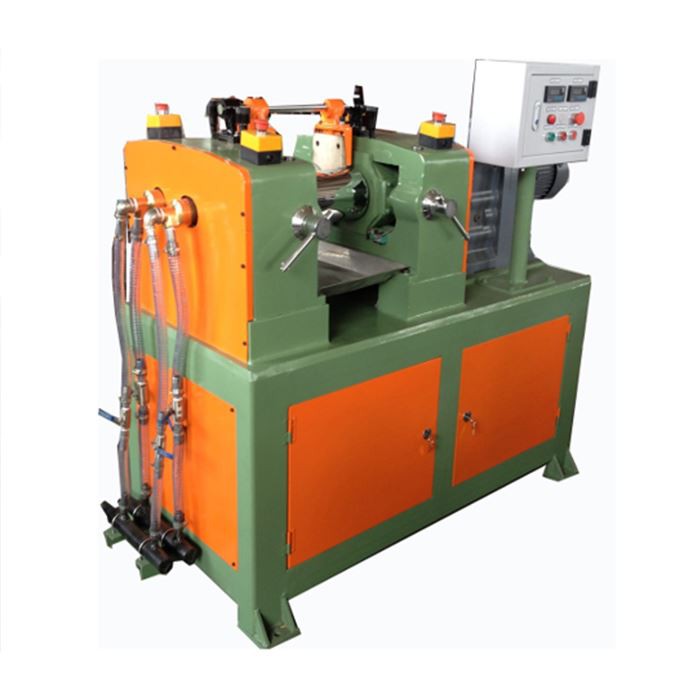

Scrap rubber is one of the most common types of waste generated by Rubber Batch Off Units. This waste can be recycled and reused in a variety of applications, such as the production of new rubber products, asphalt additives, and playground surfaces. However, recycling scrap rubber requires specialized equipment and processes, and not all rubber waste is suitable for recycling.
In addition to scrap rubber, Rubber Batch Off Units also generate packaging materials, such as plastic bags and cardboard boxes. These materials can be recycled or reused, but they often end up in landfills, contributing to the growing problem of waste disposal. To address this issue, I encourage my customers to minimize packaging waste by using reusable containers and by purchasing raw materials in bulk.
Contaminated water is another potential waste stream associated with Rubber Batch Off Units. During the rubber processing cycle, water is used for cooling, washing, and other purposes. This water can become contaminated with chemicals, oils, and other pollutants, which can have a negative impact on the environment if released into waterways without proper treatment.
To prevent water pollution, Rubber Batch Off Units are typically equipped with water treatment systems. These systems use a variety of technologies, such as filtration, sedimentation, and chemical treatment, to remove contaminants from the water before it is discharged. However, these systems require regular maintenance and monitoring to ensure their effectiveness.
Air Pollution
Rubber processing can also contribute to air pollution, releasing a variety of pollutants into the atmosphere. These pollutants include volatile organic compounds (VOCs), particulate matter (PM), and sulfur dioxide (SO2). VOCs are a group of chemicals that can have a negative impact on human health and the environment, contributing to the formation of smog and ozone depletion.
PM is a mixture of solid and liquid particles that can be inhaled into the lungs, causing respiratory problems and other health issues. SO2 is a gas that can react with other chemicals in the atmosphere to form acid rain, which can damage crops, forests, and buildings.
To reduce air pollution from Rubber Batch Off Units, it is important to use proper ventilation systems and to install air pollution control devices, such as scrubbers and filters. These devices can help to remove pollutants from the air before it is released into the atmosphere. Additionally, it is important to use low-VOC rubber compounds and to minimize the use of solvents and other chemicals that can contribute to air pollution.
Noise Pollution
Rubber Batch Off Units can also generate significant noise levels, which can have a negative impact on the health and well-being of workers and nearby residents. Noise pollution can cause hearing loss, stress, and other health problems, and it can also interfere with communication and productivity.
To reduce noise pollution from Rubber Batch Off Units, it is important to use noise-reducing materials and to install noise barriers and enclosures. Additionally, it is important to maintain equipment regularly to ensure that it is operating properly and to minimize noise emissions.
Opportunities for Environmental Improvement
Despite the environmental challenges associated with Rubber Batch Off Units, there are also many opportunities for environmental improvement. For example, the development of new technologies and materials is making it possible to reduce energy consumption, waste generation, and air pollution in rubber processing operations.
One of the most promising technologies for reducing energy consumption in Rubber Batch Off Units is the use of renewable energy sources, such as solar and wind power. By installing solar panels or wind turbines, rubber processing facilities can generate their own electricity, reducing their reliance on fossil fuels and lowering their greenhouse gas emissions.
Another opportunity for environmental improvement is the development of new rubber compounds that are more sustainable and environmentally friendly. For example, some manufacturers are now producing rubber compounds that are made from recycled materials or that use natural rubber instead of synthetic rubber. These compounds can help to reduce the environmental impact of rubber processing by conserving resources and reducing waste generation.
In addition to technological advancements, there is also a growing trend towards sustainable manufacturing practices in the rubber industry. Many companies are now implementing environmental management systems, such as ISO 14001, to reduce their environmental impact and to improve their sustainability performance. These systems help companies to identify and manage environmental risks, to set environmental goals and targets, and to monitor and evaluate their progress over time.
Conclusion
In conclusion, Rubber Batch Off Units have a significant environmental impact, but there are also many opportunities for environmental improvement. As a supplier of Rubber Batch Off Units, I'm committed to working with my customers to help them reduce their environmental footprint and to achieve their sustainability goals.
By implementing energy-efficient technologies, reducing waste generation, controlling air and noise pollution, and adopting sustainable manufacturing practices, rubber processing facilities can minimize their environmental impact and contribute to a more sustainable future.
If you're interested in learning more about our Rubber Batch Off Units or our commitment to environmental sustainability, please [contact us] to discuss your specific needs and requirements. We look forward to the opportunity to work with you and to help you achieve your goals.
References
- "Environmental Impact of Rubber Processing." Rubber Manufacturers Association.
- "Sustainable Manufacturing in the Rubber Industry." International Rubber Study Group.
- "Energy Efficiency in Rubber Processing." United Nations Industrial Development Organization.